 Skip to content

This post may contain affiliate links. Please refer to our disclosure policy.
If you’re navigating the wonderful, chaotic world of raising little ones, you’ve probably wondered about the best way to support their early learning. Today, we’re diving into the idea of “structured play” for preschoolers -specifically kids aged 3 to 5 -at home. It’s not about turning your living room into a mini classroom with rigid rules and desks. Instead, think of it as blending purposeful activities with the pure joy of play to create meaningful learning moments.
Table of Contents

As a parent who’s been through this with my own kids, I can tell you it’s rewarding, flexible, and surprisingly simple to weave into your daily routine. In this guide, we’ll explore why structured play matters, how to make it work for your family, and practical tips to get started. We’ll also spotlight a free resource I’ve created called Letter of the Week that’s designed to make preschool at home fun and effective. Let’s jump in!
Why Many Families Skip Structured Learning for Preschoolers
It’s completely understandable why so many families opt out of planning dedicated learning time for their 3-5 year old’s. Life is busy, and preschoolers seem so young -why not just let them play freely? One common mindset is that this age is all about unstructured exploration. Kids should be climbing trees, building forts out of couch cushions, or pretending to be superheroes without any adult interference. After all, play is their work, right? And in many ways, that’s spot on. Free play fosters creativity, problem-solving, and social skills in ways that nothing else can.
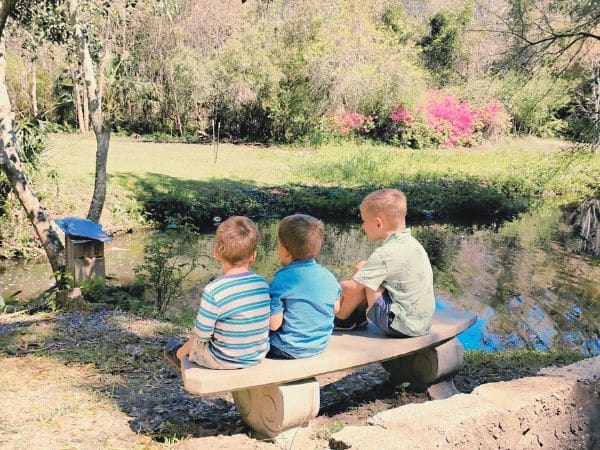
Another big factor is family dynamics, especially in homes with multiple children. If you have older kids in elementary school or beyond, your focus naturally shifts to their more formal education. Following math curriculums, planning history projects, or reading assignments for grades one and up can feel like a full-time job. The little ones? They often tag along, absorbing bits and pieces from sibling lessons or entertaining themselves with toys. It’s easier to prioritize the “big kid” curriculum because it aligns with school standards and feels more urgent. Plus, with preschoolers’ short attention spans, it might seem pointless to carve out separate time when they’re just as happy scribbling with crayons or chasing bubbles.
There’s also the practical side: time constraints, energy levels, and resources. Between work, household chores, errands, and maybe even homeschooling older children, adding another layer of planning can feel overwhelming. Some parents worry that structured activities might stifle a child’s natural curiosity or turn learning into a chore. I’ve heard from friends who say, “My toddler learns plenty from everyday life—counting toys, naming colors during walks, or helping in the kitchen.” And that’s valid! But what if we could enhance that natural learning with a touch of intention? Structured play doesn’t replace free time; it complements it, turning those everyday moments into opportunities for growth.
Read Next: Homeschooling with a Baby and Toddler

The Power of Structured Play: Why It’s Worth It for Preschoolers
Now, let’s flip the script. While free play is essential, preschool at home for ages 3-5 is a prime window for structured learning that’s disguised as play. This isn’t about flashcards or drills—it’s about activities tailored to their developmental needs that feel like games. When done right, structured play builds skills without the pressure, making learning feel magical. Older siblings’ lessons are crucial, but overlooking the little ones misses a golden opportunity. Here’s why you shouldn’t: these years are a unique developmental stage, it sets early expectations for home learning, and it teaches ownership of their education. Plus, I’ll expand on a few more benefits, like boosting confidence and fostering family bonds.

Reason 1: Capitalizing on a Unique Developmental Stage
Ages 3 to 5 are fascinating -your child is like a little explorer discovering the world, often with the belief that everything revolves around them. This egocentric phase, as psychologists call it, is normal and healthy. They’re testing boundaries, asserting independence, and craving attention. Without gentle guidance, this can lead to frustration for everyone: tantrums when things don’t go their way, or confusion if older siblings get “special” school time while they don’t.
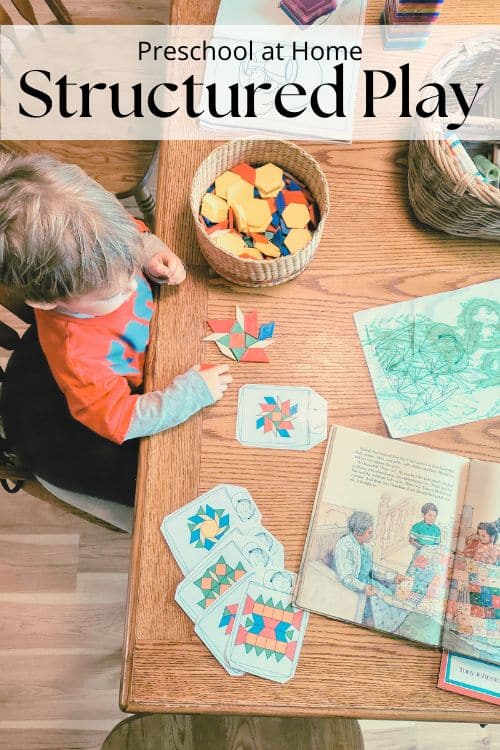
Structured play steps in as a lifesaver. By offering activities just for them—like sorting shapes or creating art based on a theme—you satisfy their need for spotlight time in a positive way. It sets boundaries (such as, “We sit at the table for this activity”) while encouraging growth beyond self-centeredness. For instance, if your preschooler sees big brother doing math, they might feel left out. But with their own “lesson,” like a themed puzzle, they feel included and valued. This reduces sibling rivalry and helps the whole family navigate this stage smoothly.
Expanding on this, research from child development experts like those at the American Academy of Pediatrics emphasizes that structured activities during these years enhance cognitive, social, and emotional growth. Preschoolers’ brains are wiring rapidly—synapses forming at an incredible rate. Play-based structure introduces concepts like letters, numbers, and colors in engaging ways, laying foundations for future success without overwhelming them. It’s like planting seeds in fertile soil; the growth happens naturally.
Read Next: Is Your Child Ready for Kindergarten?

Reason 2: Setting Home Learning Expectations Early
One of the best gifts you can give your child is an early love for learning. By introducing structured play now, you’re hooking them with purposeful, fun activities that make “lesson time” something to look forward to. The key? Keep it play-based: think living books, songs, or hands-on experiments rather than worksheets. If it’s enjoyable, they’ll eagerly join in, establishing a routine that sticks.
In my experience with my eldest, starting with playful preschool activities made the shift to more structured elements—like handwriting and phonics -0effortless. We kept the fun alive with science experiments (baking soda volcanoes!) and art projects, but the expectation of “time to learn” was already there. As they mature, you can gradually ramp up the challenge, turning play into purposeful exploration.
This early foundation also builds resilience and adaptability. Kids learn that learning is a daily adventure, not a burden. Studies from educational organizations like NAEYC (National Association for the Education of Young Children) show that children exposed to positive, structured early learning experiences perform better academically later on. It’s about creating habits that last a lifetime.

Reason 3: Teaching Ownership of Their Lessons
Imagine your 3-year-old proudly showing off their “work” to grandparents or even chatting about it with a stranger at the park. It sounds adorable—and it is! Structured play fosters a sense of pride and ownership. In our home, my preschooler asks for lessons daily because he associates them with fun mommy-time, not obligation.
This ownership pays dividends. It teaches responsibility in age-appropriate ways: gathering supplies, completing a simple task, and reflecting on what they did. Over time, this builds intrinsic motivation -the drive to learn for the joy of it. My kids beam when sharing their creations, boosting their confidence and communication skills.
Expanding further, ownership also encourages independence. Preschoolers learn to make choices within activities, like picking colors for a craft, which enhances decision-making. It’s a stepping stone to self-directed learning, a skill that’s invaluable in homeschooling or traditional school.

Additional Benefits: Boosting Confidence and Family Bonds
Beyond the core reasons, structured play supercharges confidence. Completing a themed activity gives preschoolers a “win,” reinforcing that they can achieve things. It also strengthens family bonds -shared activities create memories and open dialogues. Many times the learning opportunities for activities can be adapted for older siblings.
Integrating Structured Play into Your Busy Schedule
Time is the biggest hurdle, but it’s manageable. Most sessions last just 20-30 minutes, 3-4 days a week -think snack-sized learning! Start small: weave it into existing routines like morning time or post-nap.
If you have older kids, involve them. My kindergartener either works independently nearby or joins the fun, turning it into sibling bonding. For babies or toddlers, time it during naps. Or break activities: do a quick read-aloud with everyone, then a hands-on part later.
Flexibility is key. If a day gets crazy, skip or shorten it and don’t have any guilt! The goal is consistency over perfection.
Read Next: Favorite Preschool Learning Activities

What a Realistic Day Looks Like
Picture this: Start with a morning basket that includes preschooler-friendly books, as well as books for older siblings. Read from youngest to oldest, letting your little one play if they lose interest during older kids’ turns. Then, while siblings do independent work, have your preschooler practice letters with puzzles or printables like an alphabet train wall display.
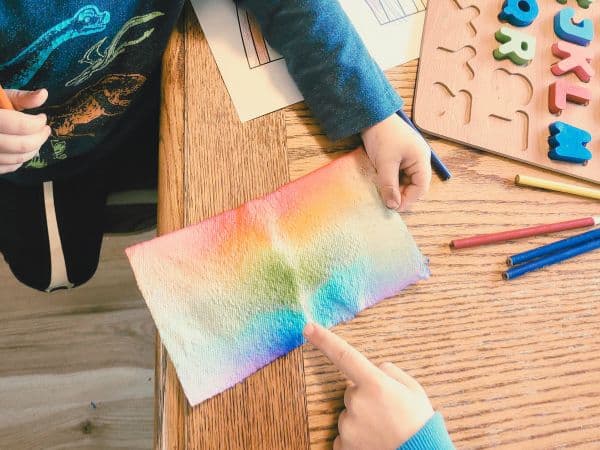
Take a break for snacks or outdoor play. Afternoon nap time? Dive into something engaging, like a simple science experiment (mixing colors with water) or crafts. Invite older siblings, but ensure the preschooler leads to maintain ownership.
Then you’re all done! Just remember to adapt to your family’s rhythms and dynamics and most importantly, your preschooler’s lessons don’t need to be done all at once. Breaking them up throughout the day is actually the wiser choice!
Read Next: Homeschooling Boys
Choosing the Right Curriculum for Preschool at Home
Finding the perfect curriculum for your preschooler’s structured play at home doesn’t have to be a daunting task. The key is to focus on options that are play-based, sparking joy and curiosity, while also being flexible enough to adapt to your family’s unique schedule and needs. Whether you’re dealing with a bustling household of multiple kids, varying energy levels throughout the day, or seasonal changes like holidays or vacations, a good curriculum should feel like a helpful guide rather than a strict rulebook.
Look for ones that include themed activities, simple supply lists, and ideas for hands-on learning that align with your child’s developmental stage. This way, you avoid the frustration of mismatched or unrelated activities, and you can stop scrambling last-minute for materials. Instead, you’ll have a cohesive plan that builds skills progressively, from letter recognition to basic math concepts, all wrapped in fun. Remember, the goal isn’t to replicate a traditional preschool classroom but to create meaningful, engaging moments that fit seamlessly into your home life.
When evaluating curricula, consider your budget, your child’s interests, and how much prep time you’re willing to invest. Some families thrive with digital platforms that offer interactive games and videos, while others prefer printable worksheets and hands-on kits. Think about incorporating elements like creative play, storytelling, science experiments, and outdoor extensions to keep things dynamic. If your preschooler has older siblings, opt for curricula that allows for multi-age adaptations, so everyone can participate without anyone feeling left out. Ultimately, the right choice will make structured play feel effortless and exciting, turning potential overwhelm into empowerment for both you and your little learner.

Exploring Paid Curriculum Options
While free resources are abundant and effective, some families appreciate the polished structure and comprehensive support that come with paid curriculums. These often include ready-to-use lesson plans, high-quality materials, and sometimes even online communities or customer support. If you’re willing to invest a bit financially, here are some popular paid options tailored for preschool homeschooling, each with a brief overview to help you decide:
- The Good and the Beautiful Preschool Course Set: This faith-based curriculum emphasizes wholesome, literature-rich learning with a focus on phonics, math, and character development through beautiful illustrations and hands-on activities. It’s designed to be gentle and engaging, requiring minimal prep time, and includes workbooks, read-alouds, and art projects that foster creativity and family bonding. Many parents love its affordability and how it integrates moral lessons seamlessly into play-based days.
- Time4Learning Preschool Program: As a fully online, interactive platform, this curriculum covers core subjects like reading, math, and science through animated lessons, games, and quizzes that adapt to your child’s pace. It’s ideal for tech-savvy families, offering progress tracking and printable worksheets for offline reinforcement, with a subscription model that provides unlimited access. Users appreciate its flexibility for busy schedules and how it keeps kids motivated with rewards and fun characters.
- Sonlight Preschool Curriculum: Centered around high-quality children’s literature, this program builds literacy and comprehension skills through read-alouds, discussion guides, and simple activities that tie into themes like animals or seasons. It includes an instructor’s guide for parents, making it easy to facilitate, and includes options for adding manipulatives. Families often praise its emphasis on nurturing a love for books and its adaptable nature for multi-child homes.
- Abeka Preschool Curriculum: This Christian-based program offers a structured approach with colorful workbooks, flashcards, and songs focusing on phonics, numbers, and Bible stories to prepare kids for kindergarten. It comes in kits that include teacher manuals and visual aids, promoting fine motor skills and routine. Parents highlight its thoroughness and how it builds confidence through repetitive, playful drills.
- Horizons Preschool Curriculum by Alpha Omega Publications: Known for its spiral learning method, this curriculum reinforces concepts in math, language arts, and Bible through bright workbooks, hands-on activities, and teacher guides. At about $100 for the set, it’s straightforward and includes assessments to track progress. It’s popular for its balance of academics and fun, helping preschoolers develop independence in a supportive framework.
- My Father’s World: God’s Creation from A to Z: This nature-inspired, Charlotte Mason-style curriculum uses weekly themes based on letters, incorporating science, art, and Bible verses with simple experiments and crafts. It provides a parent guide and student sheets, encouraging outdoor exploration. Many homeschoolers value its gentle pace and how it sparks wonder about the world.
These paid options can be a great fit if you want something turnkey, but always check for current pricing and reviews, as they may evolve.

Embracing Free Preschool Curriculums: Quality Without the Cost
On the flip side, you absolutely shouldn’t feel pressured to pay for a preschool curriculum -there’s a wealth of high-quality free resources available that can deliver just as much value, if not more, by allowing you to customize and focus your spending elsewhere. Free options often come from dedicated educators, nonprofits, and online communities who believe in accessible education, providing everything from printable activities to video lessons without any hidden fees.
The free approach empowers you to tailor the content to your child’s interests and your family’s lifestyle, avoiding the one-size-fits-all feel of some paid programs. Plus, with the money saved, you can invest in tangible supplies like art materials, sensory bins, or books that bring the lessons to life in a hands-on way. Instead, I love that I spend my money on the supplies not the curriculum—it feels more practical and rewarding, turning everyday items into educational treasures while keeping costs low.
One standout free resource is my own Letter of the Week program, which I’ve designed specifically for home learning with flexibility in mind. As mentioned earlier, it reimagines alphabet learning through themed weeks, like Aa for Apple, complete with activity ideas, printables, coloring pages, and book suggestions that captivate young minds. It’s entirely free, adaptable for different family sizes, and includes a sample schedule with built-in review time to ensure concepts stick without overwhelming anyone.
The beauty of free curriculums is that you aren’t spending money on the planning/guide part of it, but instead allows you to spend money on the activities themselves (or not at all!). Effective preschool at home is about intentional play, not expensive packages. By choosing free, you’re prioritizing what truly matters: quality time with your child and resources that enhance their natural curiosity.
Read Next: Homeschool Preschool Supplies

A Deep Dive into Letter of the Week
Each week focuses on one letter and theme. For Aa is for Apple, explore science (apple experiments), art (paint stamping with apples), baking (simple apple treats), math (apple-themed number recognition printable), and more. Coloring pages feature letters and apples; books range from fun (Dr. Seuss’s Ten Apples Up on Top) to informative (Apple Cider Making Days by Ann Purmell).
Week by week, it evolves with your child. Review past letters through games, ensuring retention without drills.
Check Out Next: Alphabet Letter Recognition and Review
Why It Works for Preschool at Home
Preschoolers crave attention and mimicry. This curriculum gives them “big kid” lessons that are fun and build positive associations. Older siblings want to join and many activities can be adapted so the lesson is just as full of learning for them. Our family has seen huge benefits: eager participation, skill growth, and family harmony.

The Long-Term Impact of Structured Play
Investing now reaps rewards: better school readiness, stronger family ties, and lifelong learners. It’s not about perfection but presence.
What do you think? Is structured play key for 3-5 year old’s? Share your experiences in the comments—I’d love to hear what works for your family!
Recent Posts on the Blog




I love this idea for structured learning time. I never considered play-based learning, but it does sound very effective for young learners.