Skip to content
KITCHEN RULES
Embrace kitchen safety for kids to find joy in baking and cooking with them.
— By Julie Hodos on July 12, 2024; Updated on October 14, 2025.

This post may contain affiliate links. Please refer to our disclosure policy.
If you’re anything like me, the idea of kids helping in the kitchen might conjure up images of chaos—flour explosions, sticky fingers everywhere, and the occasional meltdown over who gets to crack the egg. I remember those early days when baking with my little ones felt more like a survival challenge than a fun family activity. I’d deliberately pick times when they were occupied elsewhere just to avoid the hassle. Fast forward a few years, and now I’m the one yelling, “Come help Momma, it’s kitchen time!” What changed? A whole lot of trial, error, and some practical strategies centered around kitchen safety for kids that turned potential disasters into delightful memories.
Table of Contents

Kitchen safety for kids isn’t just about avoiding accidents—though that’s huge—it’s about creating a space where everyone feels secure, involved, and excited. Cooking and baking together builds skills like math (measuring ingredients), science (how things mix and bake), and even responsibility. But let’s be real: with sharp knives, hot stoves, and slippery spills, the kitchen can be a hazard zone for curious kiddos. That’s why embracing kitchen safety for kids from the start is key. It helps us tailor activities to our family’s rhythm, reduce stress, and actually enjoy the process.
Before we dive into the tips, let’s talk gear. Having the right products on hand can make all the difference in keeping things safe and fun. I’ve rounded up some of my favorites—affordable, durable, and kid-approved—that prioritize kitchen safety for kids. These aren’t just gadgets; they’re tools that empower little ones to participate without the worry.

Essential Products for Kitchen Safety for Kids
Outfitting your kitchen with kid-friendly tools is like giving your sous chefs their own superhero capes—it boosts confidence and cuts down on mishaps. Here’s a curated list of great tools to have for kitchen time, from towers to tools, all focused on safety and practicality.
The Perfect Kid’s Learning Tower
Nothing levels the playing field like a sturdy learning tower. It brings toddlers up to counter height safely, so they can stir, pour, and observe without pulling on your apron strings (literally). This one is super durable and versatile for anyone up to 250 pounds to use—perfect for wiggly 18-month-olds up to 5-year-olds and for Momma who needs to grab something from the top shelf. It folds nearly flat for easy storage in small kitchens, weighs just right for moving around, and has a back safety bar. The best part is that it’s a reasonable price compared to some.
Safety Knives for Little Hands
Knives can be intimidating, but child-safe versions teach proper technique early. This set is a game-changer for ages 2+. These lightweight plastic blades with serrated edges cut soft fruits, mushrooms, cheese, and softer veggies without nicks. They’re dishwasher-safe and colorful, making chopping fun. I love letting my kiddos help chop strawberries, mushrooms, and tofu in our kitchen with these.
Non-Breakable Bowls, Plates, and Cups
Ditch fragile glass for shatterproof options that handle drops when your kiddo is helping to set the table. I understand the appeal of glass, I truly do. Before my eldest was born we were a no plastic kind of family, but only two years into that little one wanting to do things himself and help I decided that we needed an alternative. In came a BPA free set of dinnerware. Dishwasher and microwave safe, they’re perfect for serving and setting the table without breakage worries.
Aprons That Fit and Protect
An apron isn’t just cute—it’s a barrier against splatters and a confidence booster. Perfect for ages 3-12 (depending on the size) this is a great option for families. It’s wipeable and machine-washable, keeping outfits pristine. Choose your preferred fun print and it adjusts easily.
With these products in play, you’re set for smoother sessions, but these aren’t essential. We don’t wear aprons because we have clothes to spare. But we do love our other tools. Now, let’s get into the strategies!

Age-Appropriate Tasks
One size doesn’t fit all when it comes to kitchen time, so let’s break down tasks by age to ensure kitchen safety for kids at every level. This keeps everyone engaged without overreaching.
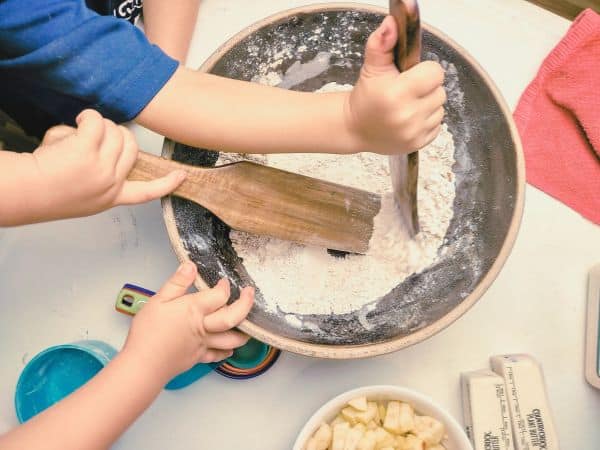
For toddlers (1-3 years): Focus on sensory play. Let them wash veggies in a sink basin (supervised, of course) or chop bananas with safety knives. Use plastic bowls for stirring dry ingredients. Wet ingredients will splash out so be prepared with a towel. A learning tower is essential here; it keeps them secure while you guide their hands. Avoid anything hot or sharp—curiosityis high, but coordination lags.
Preschoolers (3-5): They’re ready for pouring pre-measured items and spreading with blunt knives. Chopping mushrooms with a safety knife? Yes! But always demonstrate first: “Hold the handle tight, rock gently.” This builds fine motor skills and reinforces rules like “ask before touching.” Age 4 is an optimal time to begin practicing cracking eggs. Age 5 is when they can usually crack it without destroying most of the shell. If you need the yolk in tact this is still not the age for it, my 5 year old is probably 50/50 so far with whether or not the yolk breaks.
School-age (6+): Independence shines. They can measure, crack eggs easily, roll out cookie dough, or even knead dough. Introduce allowing your child to place cool cookie sheets in a hot oven with a lot of attention.
Adapting tasks prevents frustration and accidents. Start simple, praise efforts, and scale up as confidence grows. Remember, the best kitchen safety for kids is proactive matching of abilities to activities. Most importantly, allow your child to fail (with safety in mind of course). A child only learns to crack an egg by practicing, so be okay with mistakes.
Consider Your Day and Your Children
Finding the Optimal Windows in Your Routine
First things first: before you even think about flour and mixing bowls, pause and reflect on your family’s daily flow. Kitchen safety for kids starts with choosing the right moment, because a hangry or overtired child plus hot appliances equals recipe for trouble.
Ask yourself: When are my kids at their best? Mornings might work for some families when energy is high and meltdowns are low. For others, afternoons after school snacks hit the spot. Avoid times when they’re rambunctious or grumpy—that’s when accidents happen, like knocking over a bowl of eggs while reaching for a spoon. If your little one is temperamental post-nap, save baking for later. And remember, kitchen safety for kids means supervising every second, so pick a window where you can focus without distractions like phone calls or laundry piles. In our house, early mornings are golden—everyone’s fed, I’m mentally ready, and the vibe is collaborative.
Incorporating Naps and Multiple Kids
With multiple kids, layer in naps or quiet time. If the baby naps at 2 PM, that’s your golden hour with the older siblings. Just make sure they’ve had a snack. This not only ensures kitchen safety for kids by reducing chaos but also gives each child undivided attention. I’ve found that scheduling around routines builds anticipation—kids get excited knowing kitchen time is coming.
My husband loves inviting the boys into the kitchen early Sunday mornings before church to help with pancakes. The kicker? He usually only has one, maybe two helping any given Sunday because he starts early enough that most haven’t woken up yet. He has smartly cut down on the chaos by cooking early while they’re sleeping.

Embracing Planned Spontaneity
Now, let’s talk about planned spontaneity. This is my secret weapon for flexible days. Prep ingredients in the morning (more on that soon), keep the kitchen tidy, and when the moment strikes—like after outdoor play when one kiddo has ventured back inside—dive in. Why does this tie into kitchen safety for kids? Because you’re not rushing; everything’s ready, minimizing distractions for Mom, and best of all your kiddos will all slowly filter into the kitchen to help. Instead of throwing everyone into it all at once.
Picture this: Kids have been running wild outside, building forts or chasing balls. They come in rosy-cheeked and ready for a breather. Offer a light snack—apple slices or yogurt—to refuel without spoiling appetites. Then, transition smoothly to baking. This post-play energy wave is perfect; they’re calm enough to listen to safety rules but engaged enough to participate. It’s all about reading the room—or the playroom—and aligning with natural rhythms. During holidays, we amp it up: Christmas morning cinnamon rolls after gift-opening calm.
Seasonal and Weather Adaptations
Tailor what you’re making based on the time of year. You probably have similar routines all year long but adapting for the weather or season is essential. For example, in summer, mornings might be too hot for oven use, so opt for no-bake recipes like energy bites. In winter, afternoon cookie baking warms everyone up. Tailor it to seasons, weather, and even holidays. Halloween? Pumpkin muffins. Christmas? Sugar cookies. By considering the day, you’re proactively embedding kitchen safety for kids into the fun.
Not sure what your family’s routine is? Track your family’s sweet spots in a quick journal—after a few weeks, patterns emerge, making planning foolproof.
Read Next: Crafting a Daily Routine for Your Homeschool

Prepare in Advance
Gathering and Measuring Basics
Okay, you’ve nailed the timing—now prep like a pro. Preparation is where kitchen safety for kids really shines, because it eliminates last-minute dashes that could lead to unsupervised moments or forgotten hot pads. I can’t stress this enough: A little upfront work saves sanity later.
Start by gathering everything in one spot: ingredients, utensils, bowls. For ages 4 and under, measure everything out—flour in a cup, eggs cracked into a bowl (away from edges to avoid shell mishaps). Why? Little ones have zero patience for waiting, and running to the pantry means turning your back, risking them grabbing something unsafe like a knife block. Set up a kid station on the counter complete with bowls and spoons.
Involving Growing Kids
As kids grow, involve them more: 4-5 year-olds can pour pre-measured items, learning fractions while practicing safe handling. By 6+, they might measure themselves under supervision and can help fetch ingredients from the pantry. At this age we’re also instilling good habits like not placing pots with the handle sticking out on the stove or placing anything on the stove top whether we think it’s cool or not. This progression teaches kitchen safety for kids organically.
Pre-chop or melt what you can: Veggies diced, butter softened. For canned goods, open them ahead to avoid can openers around kids (those edges are sharp!). If using appliances like mixers, plug them in safely, cords tucked away.
Pro Tips and Setup Hacks
A pro tip for kitchen safety for kids: Use child-safe tools. Blunt scissors for herbs, plastic knives for spreading, silicone mats for non-slip surfaces. Store prepped items at kid-height in safe zones—not near the stove. This setup cuts time in the kitchen, reducing frustration and exposure to hazards. Less time means fewer “no’s,” which keeps moods upbeat. In one session, prepping shaved 10 minutes off our routine, turning potential tears into giggles.
Imagine prepping for chocolate chip cookies: Flour, sugar, chocolate chips, eggs cracked, etc.. Kids enter to a ready station, pouring and stirring without waits. It’s magical and safe! Also, consider doubling a batch if you have 2 kids helping. As you measure out each ingredient then each child gets to participate equally. 1 tablespoon of vanilla extract just became 2 tablespoons so each child gets to do one. Of course make sure you’re not going to make too many!
In short, prep turns potential chaos into controlled fun, reinforcing kitchen safety for kids every step. It’s the unsung hero of joyful baking.

Quick Tips for Kitchen Time
These bite-sized tips are game-changers for seamless sessions. They’re all about minimizing messes and maximizing safety. Sprinkle them in, and watch stress melt away.
- Designate Spaces: Have a “dirty zone” for used dishes away from the prep area. This prevents trips over clutter and frustration build-up—key for kitchen safety for kids. Teach kids to place dirties there immediately.
- Spill Station: Keep a rag or paper towels handy. Spills happen; quick wipes prevent slips.
- Double Up for Fairness: With two helpers, double the recipe. Each adds equal ingredients, reducing fights. Bonus: More treats! But watch portions—extra batter means extra tasting temptations, so reinforce no-eating-raw rules for safety.
- Step Stool Smarts: One stool per child, positioned away from hot surfaces. No climbing counters—that’s a fall risk and my kiddos feet always end up on the counter. If using a tower with wheels, be sure those are locked!
- Apron Up: Kid aprons protect clothes and make them feel official. Tie strings securely to avoid trips. Wipe-down styles save laundry days.
- Timer Tricks: Use timers for oven watching, teaching patience and heat awareness. Fun ones with animal sounds keep engagement high.
- Trash Bowl: A bowl for scraps keeps counters clear, reducing clutter hazards. Let kids empty it into the bin for a sense of completion.
- Music Mix: Play upbeat tunes to set a positive tone, but keep volume low for clear communication. If you have a lot of helpers in the kitchen, or for the first several kitchen time sessions I suggest no music or very low classical. It can get loud otherwise.
These hacks make kitchen safety for kids feel effortless. Stick to them and soon, they’ll be second nature.

Be Firm with Clear Rules
Rules aren’t buzzkills—they’re lifelines. Clear guidelines ensure kitchen safety for kids by setting expectations upfront. Without them, you end up with tea leaves from your morning tea steeper in the soup (been there, seen that!).
Mine, inspired by years of tweaks, are simple and memorable:
- Momma is Head Chef: My kitchen, my rules. Kids respect authority, learning boundaries. This sets the tone: We’re a team, but safety leads.
- Clothing Required: No naked baking! Clothes prevent burns or spills on skin.
- Hand Washing First: Soap up for 20 seconds. This teaches hygiene and prevents germs.
- One Step Stool Per Kid: Avoids pushing and falls. “Your spot, stay put” keeps order.
- No Eating Batter Without Permission: Raw eggs = salmonella risk. Explain why gently: “It might make our tummies feel crummy.”
- Don’t Touch or Add Without Asking: Prevents accidents like hot touches or wrong ingredients. “Eyes on, hands off unless I say go.”
- Three Strikes You’re Out: Warnings build accountability. Track with fingers for visuals.
- Leave Joyfully: End positively—no slamming doors. High-fives out!
- Fresh Starts: Re-enter with clean slates. “Last time’s gone; new fun now.”
Expand on these: For knife safety, “Blades are for grown-ups only.” Stove rules: “Hot means no touch; Momma uses mitts and one day you will too.” Adapt for ages—toddlers get simple “no’s,” older kids can handle the reasons why.
If you’re a visual person and maybe your older kiddo is to you can write them out. Post them on a colorful chart with drawings: Smiley for “yes,” sad face for “no.” Review before starting: “What’s rule one?” Quiz style keeps it interactive.
These rules aren’t set in stone—tweak for your crew. But consistency in communication builds trust and safety.
Be Consistent and Firm
The Importance of Predictability and Follow-Through
Consistency is key in the kitchen, it’s your best friend for upholding kitchen safety for kids. Kids thrive on predictability; if rules waver, so does behavior. I’ve had days where I let a sneaky batter lick slide, only for it to snowball into full finger-dipping chaos. Firm enforcement, delivered kindly, prevents that. By sticking to the plan every single time, you create a reliable environment where children know exactly what to expect, which in turn reduces resistance and enhances overall safety.
Handling Strikes and Consequences Step by Step
Take my 2-year-old’s batter swipe: It’s rule five—no eating without permission. First time? Gentle reminder: “Remember, we wait for okay? Let’s stir instead.” Second? Firmer tone: “That’s strike one—next is out.” Third? Calm escort: “Time to sit out, you can join us in a couple minutes” No yelling—just clear consequences. This three-strike system gives grace while teaching accountability. For my crew, strikes reset in the same baking/cooking session, keeping motivation high. It’s not about punishment; it’s about guiding them toward better choices, and seeing them internalize that over time is incredibly rewarding.

Offering Choices and Validating Emotions
Offer choices to soften exits: “Do you wan to go to your room and play or sit at the table and watch?” My eldest picks blocks (quiet reflection), the youngest the table (proximity comfort). If meltdowns hit, validate feelings: “I know it’s hard, but safety first. Love you!” Then redirect. For physical infractions like shoving? Immediate timeout at the table—two minutes per age. Minor goofing, like over-stirring? Verbal nudge: “Gentle hands, buddy.” Repeat? Strike. This graduated response matches severity, modeling emotional regulation and showing kids that actions have logical outcomes without overwhelming drama.
Long-Term Benefits and Positive Reinforcement
With practice, it pays off big. My older two (now 7 and 5 rarely hit strike three; they’ve internalized the why behind rules, like “Hot oven hurts—wait for Momma.” The little guy was still learning at age 2.5 so we would nap-bake without him sometimes, but he’s joining more now that he’s 4. His “oops” moments? We pause, reset, and hug it out.
Consistency means following through every time, even when exhausted. It builds resilience in them—and patience in us. What if they push back? Stay calm, repeat the rule, and enforce. “Grumbling’s okay, but out now.” Positive reinforcement seals it: Post-session, “You followed rules so well—high-five!” Over weeks, dismissals drop. Track wins in a sticker chart for extra incentive.
Firmness isn’t harshness—it’s loving leadership. By adhering consistently, you create a secure space where kids learn limits, respect, and self-control. It’s tough at first, but the safer, smoother kitchen awaits. You’ve got this!

Consider Yourself
Building Flexibility into Your Plans
You can’t pour from an empty cup, and nowhere is that truer than the kitchen. We often hear how cooking builds kids’ confidence, but what about yours? Kitchen safety for kids hinges on your bandwidth—if you’re frayed it’s difficult to respond appropriately. Prioritizing self-awareness and flexibility isn’t selfish; it’s smart parenting that keeps everyone happy and safe.
Start with flexibility: Life’s unpredictable, so build in buffers. If mornings devolved into sibling squabbles, scrap the planned pie. I never lock in promises—”If all goes well tomorrow, apple muffins sound fun!” This wiggle room prevents letdowns.
Recognizing Mid-Session Overwhelm
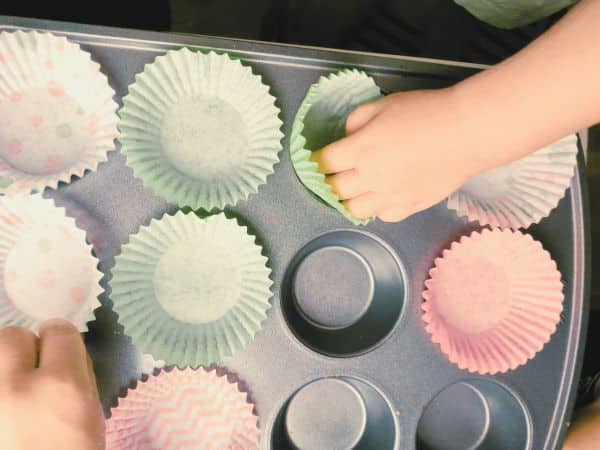
Self-awareness is your superpower mid-session. Picture this: Flour dust settles, but so does your patience—a third spill occurs, a small toy plops in the mix, salt spoons overboard, and “mine!” echoes. By muffin-lining, you’re tapped out. Don’t white-knuckle it; pause and redirect. “You guys rocked that—thanks for the help! Momma finishes; go rid your tricycles outside.” Firm, kind, specific. They might pout but once treats emerge they’ll be okay and glad they they helped, even a little.
Why Your Well-Being Enhances Safety
Why does this matter for kitchen safety for kids? Overwhelm clouds judgment; a rested you spots hazards faster and you’re more likely to be consistent. I’ve ended sessions early more than once, and guess what? No resentment—just relief. Follow with your recharge: Herbal tea, five-minute breather. Model self-care too: “Momma needs a hug break—join me?” No child is too young to learn a little empathy.
In tough seasons—like newborn haze—scale back. Batch-prep solo, invite kids for low-key effort tasks. You’re the head chef, gatekeeper of joy. Honoring your limits ensures kitchen time stays magical, not mandatory. Breathe deep; a happy you makes safer, sweeter memories.
Read Next: Grace for the Mom Who Yelled Again

Handling Common Kitchen Time Mishaps
Dealing with Spills and Slips Gracefully
Even with the best prep and rules in place, mishaps are inevitable in a bustling kitchen filled with eager little helpers, but knowing how to handle them calmly can turn potential chaos into valuable learning moments while maintaining kitchen safety for kids. Take spills, for instance—one of the most common occurrences. The moment a bowl tips or a cup of milk sloshes over, your first instinct should be to freeze and call out a clear command like “Stop and stand still!” This prevents anyone from stepping into the mess and slipping, which could lead to falls or further accidents.
Immediately grab your handy rag or paper towels to blot and wipe. If your child is old enough to help in the kitchen, then they’re old enough to help clean up. My year old is required to do it on his own, the 4 year old gets help from Momma. Not only does this address the immediate hazard, but it also teaches responsibility and the importance of quick action. For sticky or greasy spills, be sure to use soap and water. By responding this way, you reinforce that accidents happen but can be managed without panic, keeping the focus on safety and fun.
Addressing Minor Injuries Like Burns or Cuts
Minor injuries such as small burns or nicks can catch everyone off guard, but a swift, composed response ensures kitchen safety for kids remains paramount and prevents escalation. If a child brushes against a warm pan or gets a tiny cut from a safe knife edge, prioritize first aid: For burns, run cool (not ice-cold) water over the area for a few minutes. Avoid home remedies like butter—stick to basics and seek medical advice if it’s more than superficial. For cuts, rinse gently under water, apply a bandage.
Use these incidents as teachable moments without blame: “That’s why we use mitts for hot things and hold tools carefully.” Pausing the activity briefly to attend to the injury shows kids that health comes first, and resuming only when everyone’s calm models resilience. In our house, we’ve had a few band-aid moments, but handling them promptly has built trust, making future sessions less daunting for everyone involved.
Managing Sibling Conflicts and Boredom
Sibling squabbles or sudden boredom can disrupt the flow just as much as physical mishaps, often leading to unsafe behaviors like grabbing or wandering off, so addressing them head-on preserves kitchen safety for kids. If fights erupt over who stirs next, implement a simple timer system: “Two minutes each—your turn now, then sister’s.” This fairness tactic diffuses tension and teaches patience. For boredom creeping in mid-recipe, rotate tasks quickly: “Okay, you’ve poured; now shape cookies with the cutters!
If things escalate, enforce a quick reset with your rules— a strike or timeout if needed. These strategies not only resolve the issue but prevent effects like unsupervised reaching for hazards. Remember, staying vigilant and intervening early keeps the energy positive and the kitchen secure.
By addressing these common scenarios with preparedness and poise, you transform bumps in the road into opportunities for growth, ensuring every baking adventure ends on a high note.

Embracing Kitchen Safety for Kids
There you have it—tips and tricks for joyful, safe kitchen adventures. From gear to grace, implementing kitchen safety for kids transforms dread into delight.
What are your rules? Share more tips that have worked for your kitchen time below. If you’re feeling ready to invite your kiddo into the kitchen then now is the time to find the right recipe. I love making Honey Lemonade with my kiddos, another favorite is Easy Homemade Ravioli. Be sure to choose based on your child’s experience in the kitchen. For even simpler recipes Taste of Home offers 68 recipes that are perfect for kids to make.
Read Next: Kitchen Magic & Baking Apple Muffins
Recent Posts on the Homeschool Blog