Skip to content
FLIT & FLUTTER
Butterfly activities for preschool.
— By Julie Hodos on March 30, 2024; Updated on January 1, 2026.
This post may contain affiliate links. Please refer to our disclosure policy.
If you’re looking for ways to bring a touch of magic into your little one’s learning routine, butterfly activities for preschool are an absolute gem. These engaging ideas not only celebrate the wonder of butterflies but also tie in caterpillar adventures, turning everyday play into educational gold. Here, we’re all about making homeschooling joyful and hands-on, so let’s dive into how these activities can flutter into your day!
Table of Contents

Why Do Butterfly Activities with Preschoolers?
Butterfly (and caterpillar!) activities are one of the most natural ways to introduce preschoolers to real science without it ever feeling like “school.” The life cycle of a butterfly is short, dramatic, and completely magical to a three- or four-year-old: a tiny egg becomes a munching caterpillar, wraps itself up like a sleeping bag, and then—poof!—a winged beauty flies away. Watching or acting out that transformation gives little ones a concrete understanding of change, growth, and patience that’s hard to teach any other way. Plus, because the process happens right in front of their eyes (whether through crafts, books, or a real caterpillar kit), the learning sticks in a deep, joyful way.
These activities are also goldmines for developing both fine and gross motor skills. Snipping paper wings, gluing pasta shapes in order, threading beads to make a caterpillar, or flapping homemade wings during pretend play—all of these build the hand strength and coordination preschoolers need for writing later on. At the same time, running like a butterfly in the yard, balancing in “chrysalis pose” during yoga, or digging in the garden to plant nectar flowers gets wiggly bodies moving and helps channel all that wonderful preschool energy into something productive and calming.
Finally, butterfly-themed play quietly weaves in math, literacy, art, and social-emotional lessons. Kids practice counting (how many spots on the wing?), patterning (what comes next in the life cycle?), and symmetry (both wings have to match!). They build vocabulary with words like “metamorphosis,” “proboscis,” and “chrysalis,” and they learn empathy by caring for living creatures. Best of all, these activities almost always lead outdoors—to hunt for real butterflies, plant a pollinator garden, or release a newly-emerged painted lady—which nurtures a lifelong love and respect for nature and God’s creation.

Butterfly and Caterpillar Books for Preschoolers
To complement these activities, here are some wonderful books that bring the butterfly world to life. Each one is engaging and educational, perfect for read-alouds in your homeschool. Snuggle up, read aloud, and watch your preschooler’s imagination take flight!
- The Very Hungry Caterpillar by Eric Carle – The ultimate classic! A hungry little caterpillar eats his way through the week before becoming a beautiful butterfly. Perfect for counting, days of the week, and introducing the life cycle.
- From Caterpillar to Butterfly by Deborah Heiligman – Simple nonfiction with real photographs that walks children through each stage of metamorphosis. Great for little ones who want the “real” science behind the magic.
- Waiting for Wings by Lois Ehlert – Gorgeous, vibrant illustrations show eggs on leaves, caterpillars munching, and butterflies emerging among blooming flowers. A lovely blend of art and nature facts.
- A Butterfly Is Patient by Dianna Hutts Aston & Sylvia Long – Stunningly illustrated and packed with gentle facts, this book celebrates the patience of butterflies through every stage of life. Perfect for teaching both science and the character trait of patience.
- Ten Little Caterpillars by Bill Martin Jr., illustrated by Lois Ehlert – Rhyming text and beautiful illustrations follow ten different caterpillars on their adventures, ending with one becoming a butterfly.
- Are You a Butterfly? by Judy Allen & Tudor Humphries – Invites children to imagine they are a butterfly while learning real facts about wings, camouflage, and sipping nectar.
- Bird, Butterfly, Eel by James Prosek – Follow three very different animals (a bird, a monarch butterfly, and an eel) as they migrate to warmer places for winter. Beautiful paintings and a great way to introduce the idea of migration.
- The Mystery of the Monarchs by Barb Rosenstock, illustrated by Erika Meza – The true story of how ordinary people helped solve the centuries-old mystery of where monarch butterflies go in winter. Inspiring and full of wonder—great for slightly older preschoolers or family read-alouds.
These books range from pure fun and imagination to gentle nonfiction and real-life science adventures, so you’ll always have the perfect story ready for whatever mood or learning goal you’re chasing that day!

All About Butterflies
Meet Five Beautiful Butterflies
Learning about real butterflies makes every craft and story even more exciting! Here are five kid-favorite species that are easy to spot (or look up) in most parts of North America and beyond:
- Monarch – The famous orange-and-black traveler that flies thousands of miles to Mexico every fall. Preschoolers love them because they’re big, bright, and the caterpillar only eats milkweed (perfect for planting your own “monarch nursery”).
- Painted Lady – Soft orange, black, and white wings with little blue spots. These butterflies are found almost everywhere and are often the ones that come in classroom raising kits—super friendly for first-time butterfly watchers!
- Eastern Tiger Swallowtail – Huge yellow wings with black tiger stripes and blue-and-orange dots near the tail. When it flies, it really does look like a tiger soaring through the garden.
- Red Admiral – Dramatic black wings with bold red-orange bands and white spots. They love thistle and nettles, and kids think they look like superheroes wearing capes.
- Cabbage White – The little white butterflies you see fluttering around veggie gardens all summer. They’re gentle, common, and a great “first butterfly” for toddlers to chase and observe up close.
Print out pictures or use a free butterfly identification app on your phone—your preschooler will love shouting, “Look, Mom, that’s a Monarch!” on nature walks.
10 Cool Butterfly Facts to Wow Your Little Learner
Share these facts about butterflies to light up their imaginations and give that “wow” factor.
- Butterflies taste with their feet—so they “step” on a flower to decide if it’s yummy.
- A group of butterflies is called a “flutter” or a “kaleidoscope.”
- Monarchs can fly over 2,000 miles and stop to sip nectar.
- Butterflies can’t fly if their body temperature is below 86 °F—they warm up by basking in the sun with open wings.
- Some butterflies live only a few days, but monarchs can live up to 9 months.
- Their wings are covered in tiny colored scales that rub off like fairy dust if you touch them (so we look with our eyes, not fingers!).
- Caterpillars grow 100 times bigger than when they hatch in a very short amount of time—imagine if you grew that fast!
- Butterflies can see red, green, and yellow, plus ultraviolet colors we can’t see—so flowers look like neon landing pads to them.
- A butterfly’s straw-like tongue is called a proboscis and can curl up like a party blower.
- When a caterpillar is in its chrysalis, it turns into goo and then rebuilds itself into a butterfly—nature’s ultimate makeover!
Share these little nuggets during snack time or while you’re waiting for paint to dry, and you’ll have a mini entomologist on your hands in no time. Happy butterfly hunting!

All About Caterpillars: The Amazing Journey to Becoming a Butterfly
Caterpillars aren’t just cute, wiggly “pre-butterflies”—they’re the superstar first act in one of nature’s most incredible stories! Here’s everything your preschooler needs to know.
How Caterpillars and Butterflies Are Connected
Every butterfly starts its life as a tiny egg. Out of that egg hatches a caterpillar (also called a larva). The caterpillar’s only job is to EAT, EAT, EAT so it can grow super fast. Once it’s big enough, it turns into a chrysalis (or cocoon for some species), and inside that cozy case something absolutely magical happens: complete metamorphosis!
The Four Stages of Metamorphosis
- Egg – A round or oval tiny dot, usually stuck on a leaf. Some are no bigger than a pencil tip!
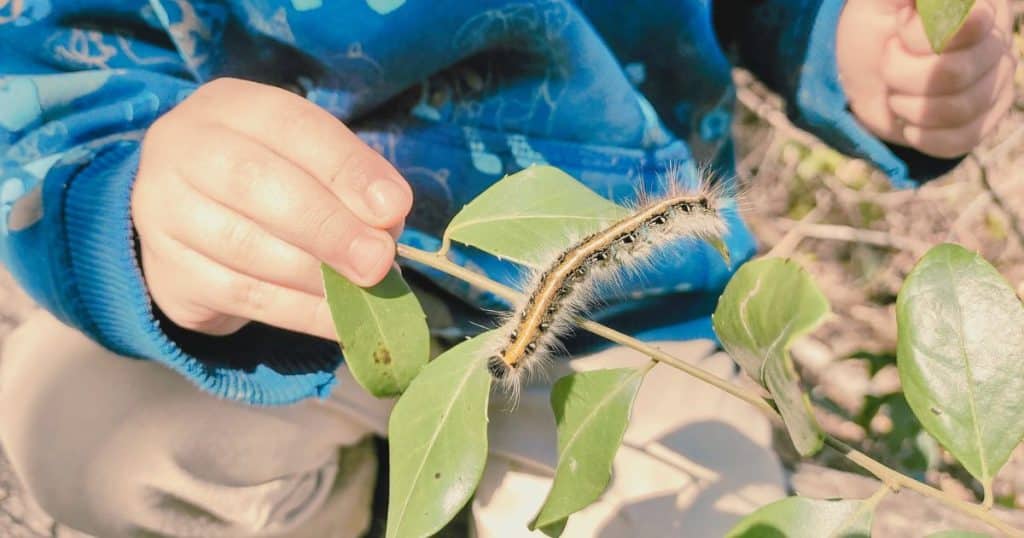
- Caterpillar (Larva) – The munching machine stage. It sheds its skin 4–5 times because it grows so quickly (just like your preschooler outgrowing pajamas!).
- Chrysalis (Pupa) – The caterpillar hangs upside down, makes a hard shell or silky cocoon, and looks like it’s taking the longest nap ever. But inside, its body is melting into a kind of “butterfly soup” and rebuilding wings, legs, eyes, and antennae.
- Butterfly (Adult) – After 1–3 weeks (depending on the kind), the chrysalis cracks open and a wet, crumpled butterfly crawls out. It pumps blood into its wings to stretch them big and strong, then flies away to sip nectar and lay eggs… and the cycle starts again!
Fun Caterpillar Facts to Share
- Caterpillars have up to 4,000 muscles (we only have about 600!).
- Some caterpillars are fuzzy, some are smooth, and a few even look like bird poop on purpose to stay safe from predators.
- They breathe through tiny holes on the sides of their bodies called spiracles.
- A caterpillar’s first meal is usually its own eggshell—talk about a healthy breakfast!
When you’re doing any of your butterfly activities, remember to give the humble caterpillar just as much love. After all, without its big appetite and brave transformation, there would be no beautiful wings fluttering in your garden. Turn every wiggly toy caterpillar into a hero, and watch your preschooler cheer for the day it finally spreads its wings!

20+ Caterpillar and Butterfly Activities for Preschool Fun
Here are over 20 butterfly activities packed with crafts, science experiments, and learning opportunities to keep your preschooler buzzing with excitement. Each one is simple to set up with household items or easy-to-find supplies, and they’re designed to blend play with education seamlessly.
Coffee Filter Butterfly Craft: Color and fold a coffee filter into the form of a butterfly with pipe cleaners. Then, use your new butterflies to learn about migration. This easy craft teaches fine motor skills and species adaptations, as well as color theory as colors blend together on the coffee filters.
Paper Plate Butterfly Craft: Transform a plain paper plate into a colorful butterfly by using a marbling technique. Kiddos develop fine motor skills as they cut out wings and practice different art techniques.
Caterpillar Egg Carton Creation: Cut an egg carton into segments to make a wiggly caterpillar, then paint it with googly eyes and pipe cleaner legs. Preschoolers learn about sequencing as they assemble the body parts in order. Hang it up to watch it “transform” into a pretend butterfly over time.
Butterfly Life Cycle Pasta Model: Use different pasta shapes to represent the egg, caterpillar, chrysalis, and butterfly stages on a paper plate. This hands-on science experiment teaches the metamorphosis process visually. Kids can glue and label each stage for added literacy practice.

Outdoor Butterfly Hunt: Take a nature walk to spot butterflies or caterpillars in your backyard or park, using a magnifying glass for close observation. Discuss colors, patterns, and habitats to build science vocabulary. It’s a great way to encourage physical activity and appreciation for the environment.
Symmetry Painting Butterflies: Fold a paper in half, paint one side like a butterfly wing, then press to create a symmetrical design. This craft explores math concepts like symmetry while letting creativity flow with colors. Frame the artwork to boost your child’s confidence in their artistic abilities.
Caterpillar Counting Game: String pom-poms or beads onto a pipe cleaner to make a caterpillar, counting each segment as you go. This reinforces number recognition and one-to-one correspondence. Adapt it for addition by making multiple caterpillars and combining them.
Raise a Caterpillar Kit: Order a live caterpillar kit and observe its transformation into a butterfly over weeks. Document changes in a journal to practice observation and writing skills. Release the butterfly together for a memorable lesson in life cycles and responsibility.

The Life Cycle of a Butterfly Play Acting: Create the stages of a butterfly’s life cycle in your own living room. With lettuce, blankets, straws, and flowers your child can experience the amazing transformation themselves. This encourages imaginative play and gross motor development. Discuss how real butterflies use wings for migration to sneak in geography.
Caterpillar Leaf Munching Math: Use hole punchers on green paper “leaves” to mimic a caterpillar eating, based on The Very Hungry Caterpillar story. Count the holes to practice math while exploring nutrition concepts. It’s a fun tie-in to literature and healthy eating discussions.
Fingerprint Butterfly Art: Dip fingers in paint to create butterfly bodies and wings on paper. This simple craft builds fine motor control and color mixing knowledge. Personalize by adding details like antennae with markers for extra creativity.
Butterfly Shadow Puppets: Cut butterfly shapes from black paper and attach to sticks for shadow play with a flashlight. Kids learn about light and shadows in this science activity. Tell stories with the puppets to enhance language skills.
Caterpillar Yoga Poses: Practice poses like curling into a ball (chrysalis) or fluttering arms (butterfly) in a themed yoga session. This promotes physical health and mindfulness. Use it to teach body awareness and relaxation techniques.
Pollination Role-Play: Pretend to be butterflies collecting “pollen” (glitter) from flowers made of construction paper. Explain how butterflies help plants grow for a basic ecology lesson. It’s interactive and gets kids moving while learning about ecosystems.
Butterfly Math Sorting: Sort butterfly stickers or cutouts by size, shape, or number of spots. This introduces categorization and basic graphing. Use a chart to visualize results for visual learners.

Life Cycle Toys: Play with and match life cycle toys with a free printable to learn how a caterpillar and butterfly’s lives are intertwined. Great for visualizing the sequence of events and using one’s imagination.
Caterpillar Measurement: Use non-standard units like blocks to measure a yarn caterpillar’s length. Practice comparing sizes with multiple versions. It builds early math skills in a playful way.
Nature Journaling Butterflies: Draw or paste pictures of observed butterflies in a journal, adding simple descriptions. Encourages writing and artistic expression. Review entries over time to track seasonal changes.
Butterfly Feeder Craft: Make a feeder from a plate with fruit slices to attract real butterflies. Observe visitors and note behaviors for science journaling. Teaches about animal needs and patience in observation.
Butterfly Pattern Tangrams: Use pattern blocks to build butterfly shapes, exploring geometry. Challenge kids to create symmetrical designs. Combines math with hands-on manipulation.
Storytime Caterpillar Chain: Link paper strips with story events from a butterfly book, forming a chain. This aids sequencing and comprehension. Hang it as a visual reminder of the narrative.
Butterfly Garden Planting: Plant flowers that attract butterflies in pots or your yard. Learn about plant growth and pollinators through ongoing care. It’s a long-term project that teaches responsibility and biology. We’ve had one for the past couple years and the variety of insects and butterflies that visit is absolutely amazing and such a great learning opportunity.

Tips for Success with Butterfly Activities
Here are some tried-and-true tips to make your butterfly-themed days run smoothly and joyfully:
- Start small and simple – Pick just 2–3 activities per week so you and your child stay excited instead of overwhelmed.
- Prep the night before – Gather supplies, cut templates, or set out paint while the house is quiet—it makes morning transitions a breeze.
- Follow your child’s lead – If they want to paint every butterfly purple or spend 20 minutes watching one real caterpillar, roll with it; that’s where the deepest learning happens.
- Embrace the mess (within reason) – Lay down an old sheet or craft outside when things get glue-y or painty. A happy mom means a happy homeschool!
- Keep safety first – Supervise scissors, small parts, and outdoor explorations.
- Repeat favorites – Preschoolers learn through repetition. Doing the same craft or reading the same book three days in a row is perfectly okay—it builds mastery and confidence.
- Tie it to real life – Point out butterflies on walks, plant a windowsill pot of parsley for caterpillars, or check the fruit bowl and say, “Look, just like The Very Hungry Caterpillar!”
- Take pictures and keep a simple journal – Snap photos of crafts and observations, then let your child dictate or draw a sentence. These are great for homeschool portfolios.
- Be flexible with timing – Some days you’ll spend an hour on one activity; other days you’ll fly through five in twenty minutes. Either is a win.
- Let them teach you – Once they know the life cycle, have them explain it to a stuffed animal or sibling. Teaching solidifies learning like nothing else.

Transform into Playful Learning
Butterfly activities for preschool are truly special because they turn one of nature’s quietest miracles into loud, colorful, hands-on learning that sticks with a child for years. From the first wiggly egg carton caterpillar to the moment they release a newly-emerged butterfly into the sky, these experiences plant seeds of wonder, patience, and respect for the world around them—and honestly, for us grown-ups too.
So grab some paper plates, raid the recycling bin, and dive in. Your little one doesn’t need a perfect lesson plan; they just need you, a little creativity, and the magic of watching a caterpillar become something that flies. Here’s to messy tables and the pure joy of homeschooling with wings. Happy fluttering, friends—leave a comment below, I can’t wait to hear which activities your family loves most!
Recent Posts on the Blog