Skip to content
QUILTING WITH TANGRAMS
Preschool shape patterns.
— By Julie Hodos on November 1, 2024; Updated on October 4, 2025.
This post may contain affiliate links. Please refer to our disclosure policy.
If you’re anything like me, you’re always on the lookout for activities that blend learning with play, especially for those wiggly preschoolers who have energy to spare. Today, I’m excited to dive deep into one of my favorite manipulatives: pattern blocks. Specifically, we’re talking about a fantastic free printable that turns these colorful shapes into a lesson on real-world geometry through the lens of quilts. This isn’t just about memorizing shapes—it’s about seeing how geometry shows up in everyday life, like in those cozy blankets we snuggle under.
Table of Contents

I’ve been homeschooling my kiddos for years now, and pattern blocks (also known as tangrams) have been a staple in our routine. They’re versatile, durable, and oh-so-engaging. But what makes this particular quilt-themed printable stand out? It’s all about bridging the gap between abstract math concepts and tangible, beautiful creations. Quilts are essentially puzzles made from geometric shapes, sewn together to form something functional and artistic. Your little one will love piecing together designs that mimic real quilt patterns, and you’ll love how it sparks conversations about math in the real world.
Let’s explore why pattern blocks are a must-have for homeschooling through the preschool years, how this printable fits in, and tons of ways to extend the learning. We’ll explore books about quilts, try other hands-on activities, and even suggest a field trip. Plus, I’ll share additional resources and tips to keep things play-based. By the end, you’ll have everything you need to turn a simple printable into a complete unit study.
Why Use Pattern Blocks in Your Home?
Pattern blocks are like the Swiss Army knife of early childhood education manipulatives. These colorful wooden or plastic shapes—hexagons, trapezoids, rhombuses, triangles, squares, and parallelograms—fit together in endless ways, making them perfect for hands-on learning. In our homeschool, they’ve been super convenient for teaching concepts in art, math, and beyond, all while keeping things fun and low-pressure.
Building Math Foundations with Pattern Blocks
First off, let’s talk math. For preschoolers, pattern blocks introduce foundational geometry without the need for worksheets or drills. Kids naturally explore shapes, sizes, and how they fit together, building spatial awareness. They learn about patterns by repeating sequences, like alternating colors or shapes, which boosts logical thinking and problem-solving skills. As they get older, these same blocks become tools for understanding fractions—did you know a hexagon can be divided into six equilateral triangles? It’s mind-blowing how something so simple scales up.
In practice, start with basic sorting: Have your child group blocks by shape or color. Then, move to simple patterns, like creating a row of triangle-square-triangle. This hands-on approach makes abstract ideas concrete, helping kids visualize concepts like congruence (shapes that are the same size and shape) and tessellation (covering a surface without gaps or overlaps). We’ve used them to count sides and angles too— “How many sides does this rhombus have?” It’s sneaky math that feels like play.

Sparking Creativity Through Art and Design
But it’s not just math. Art comes into play big time. Pattern blocks encourage creativity as kids design their own mosaics, animals, or abstract patterns. We’ve made everything from flowers to rockets in our house! They also teach symmetry when flipping shapes to create mirror images—and even basic engineering principles, like balance and stability.
To get artistic, set up a free-play station with blocks and paper for tracing designs. Encourage creativity and storytelling by first having them create their own design and then ask: “What story does your pattern tell?” This integrates language arts seamlessly. My kids have created “quilt stories” where each section represents a different scene, blending art with narrative skills.
Making Real-World Connections
The real magic, though, is in the real-world connections. Pattern blocks aren’t abstract; they mirror things we see every day, like tiles on a floor, honeycombs in a beehive, or quilt designs. This helps preschoolers understand that math isn’t just in workbooks; it’s everywhere. In our homeschool, we use them during downtime too. When my older kids are deep in a lesson, the little ones can quietly build, keeping everyone focused and happy.
We swear by this set of pattern blocks that’s sturdy enough for multiple kids and years of use. They’re non-toxic, easy to clean, and come in a handy storage container. Whether we’re replicating patterns or free-playing, they’ve been worth every penny. If you’re new to them, start simple: Let your child sort by shape or color, then move to matching templates. It’s all about building confidence.
Supporting Overall Development
Pattern blocks also support fine motor skills as kids manipulate the pieces, and they encourage language development through describing what they’re making. “This triangle fits perfectly here!” or “Look, I made a symmetrical butterfly!” These moments are gold for vocabulary and communication. Plus, they’re inclusive—great for visual learners, kinesthetic types, or even kids with special needs who benefit from tactile play.
In short, if you’re homeschooling preschoolers, pattern blocks are a no-brainer. They’re affordable, reusable, and pack a punch in multiple subjects. And when you tie them to themes like quilts, you elevate the learning to show how geometry creates beauty and utility in the world around us.
Preschool Shape Patterns Found in Quilts
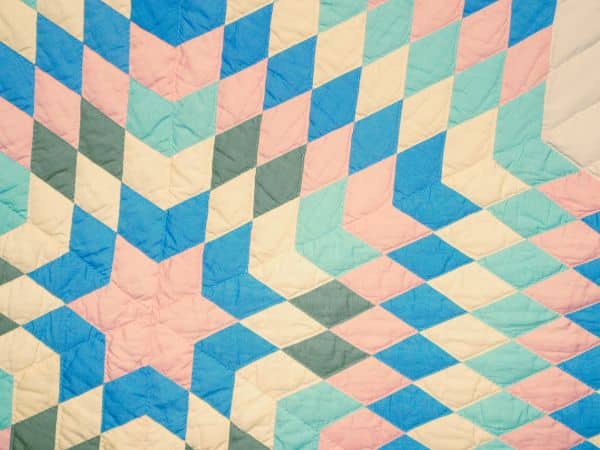
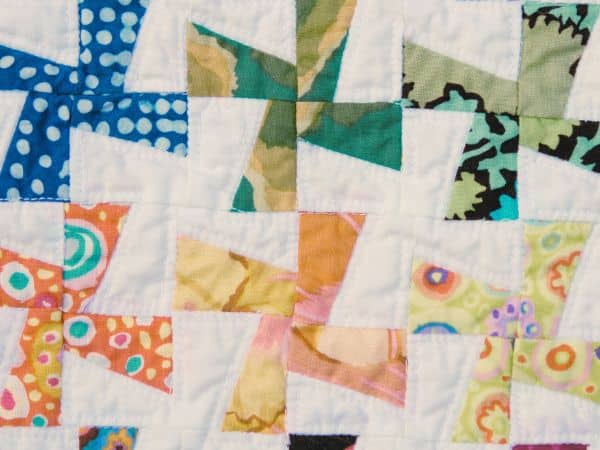
Now, let’s zoom in on the star of the show: this quilt-themed pattern block printable. What sets it apart is its focus on real-world geometry. Quilts aren’t random fabric scraps; they’re meticulously planned designs where shapes like squares, triangles, and diamonds interlock perfectly. Think about it—quilters use geometry to calculate yardage, ensure seams match, and create patterns that are both symmetrical and visually appealing.
Understanding Quilt Patterns
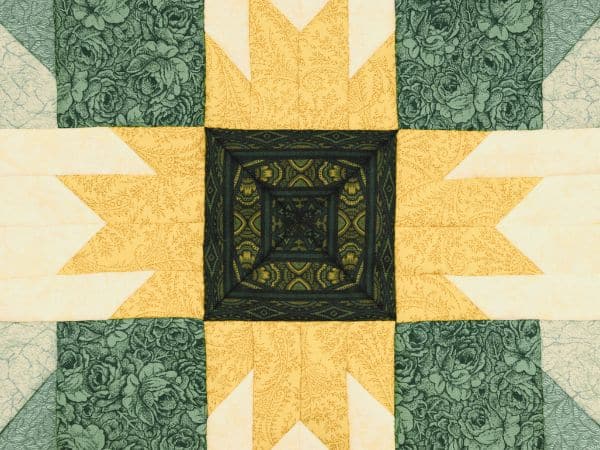
Some quilts are straightforward, like a basic nine-patch made of squares. Others get intricate, such as the Celtic Square Block with its interlocking lines or the Bear Paw Block that resembles animal tracks through clever shape arrangements. There are thousands of patterns out there, from Log Cabin to Flying Geese, all relying on geometric principles to transform flat fabric into three-dimensional warmth.
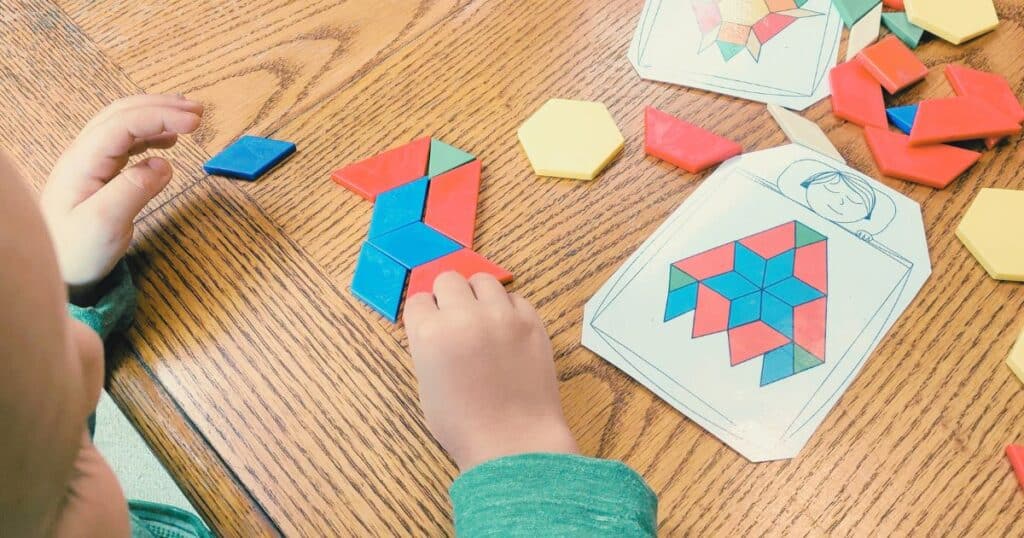
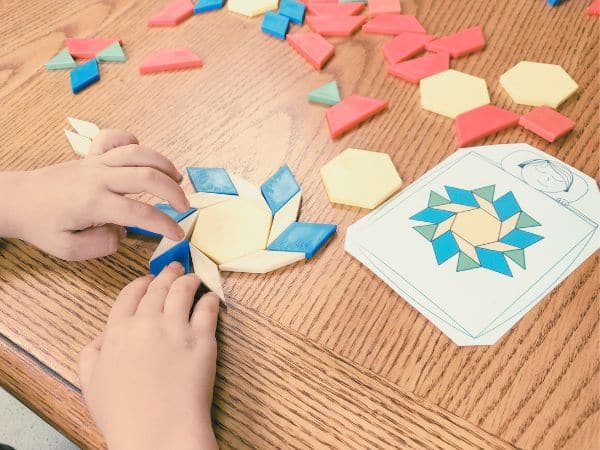
This printable brings that to life for preschoolers. It features cards with a child tucked under a quilt, each showing different partial patterns. Your kiddo uses pattern blocks to complete the design, practicing shape recognition, rotation, and tessellation (how shapes fit without gaps). It’s not about rote learning; it’s about applying geometry to build a quilt, just like in real life.
Why It Matters for Learning
Why does this matter? In a world of screens, showing kids how math solves real problems—like designing a blanket that keeps you warm—makes learning relevant. It fosters appreciation for craftsmanship and history too. Quilts have been around for centuries, from ancient Egyptian bedcovers to American pioneer quilts made from scraps. They’re symbols of resourcefulness, community (think quilting bees), and storytelling, with patterns often carrying cultural significance.
By using this printable, you’re not drilling math; you’re inspiring curiosity. “How does this triangle make the star point?” or “Can I make my own pattern?” These questions lead to deeper understanding. And the best part? It’s free and easy to prep—just print, laminate if you want durability, and grab your blocks.

Dive into Stories About Quilts
One of my absolute favorite ways to introduce quilts is through children’s books. Stories bring the concept to life, showing how quilts represent love, history, and creativity. Reading together not only builds literacy but also sparks discussions about geometry in the illustrations.
Recommended Books for Quilt Themes
Here are the top picks in our home. I’ve included brief descriptions and why they fit in so well. Aim to read one or two by either picking up from the library or purchasing. Many are excellent to add to your home library collection.
- The Quilt Story by Tony Johnston, illustrated by Tomie dePaola: This heartwarming tale follows a quilt passed down through generations, from pioneer days to modern times. It highlights how quilts provide comfort and continuity. Perfect for discussing family history and spotting simple geometric patterns in the artwork. My kids love the cozy illustrations!
- The Patchwork Quilt by Valerie Flournoy, illustrated by Jerry Pinkney: A young girl helps her grandmother make a quilt from family scraps, each piece telling a story. It’s a beautiful exploration of heritage and patience. Use it to talk about how squares and rectangles form larger designs—real-world geometry at its finest.
- The Quiltmaker’s Gift by Jeff Brumbeau, illustrated by Gail de Marcken: A generous quiltmaker teaches a greedy king about giving. The vibrant quilts in the illustrations are bursting with shapes and colors. This one inspires kindness while letting kids identify triangles, hexagons, and more.
- Sweet Clara and the Freedom Quilt by Deborah Hopkinson, illustrated by James Ransome: Based on Underground Railroad history, Clara sews a map-quilt to guide enslaved people to freedom. It’s educational and empowering, showing quilts as tools for survival. Discuss the map’s geometric layout to tie in math.
- The Keeping Quilt by Patricia Polacco: A autobiographical story of a family’s immigrant quilt, used for everything from a wedding canopy to a baby blanket. Rich in cultural details, it’s great for exploring symmetry and patterns across generations.
- Sam Johnson and the Blue Ribbon Quilt by Mary Ann Rodman, illustrated by Beth Krommes: A boy enters a quilting contest, challenging gender norms. Fun and inclusive, with detailed quilt designs to replicate with pattern blocks.
These books are readily available at libraries or online. Read them in your morning basket, then revisit during the printable activity. “See how that quilt has diamond shapes? Let’s make one with our blocks!” Point out shapes, colors, and patterns in the illustrations to reinforce geometry. Follow up with questions like, “What shapes do you see?” or “How is this like our pattern blocks?” This turns reading time into an interactive geometry lesson.

Hands-On Activities in the Home
To deepen understanding, try practical activities at home. These build on the printable by making geometry tangible and fun.
Simple Sewing Project for Fine Motor Skills
One we adore is a simple sewing project. Grab an embroidery hoop, burlap or loose-weave fabric, a plastic needle, and yarn. Stretch the fabric in the hoop tightly, then show your child how to thread the needle (with your help if needed). No patterns needed—just let them poke the needle up and down, creating their own stitches” Start with large, random loops to build confidence, then encourage lines or shapes.
It’s fantastic for fine motor practice, hand-eye coordination, and patience. Plus, it gives a taste of how quilts are assembled—joining geometric pieces with thread. Once done, trim excess yarn and display it on your art wall. My boys beam with pride seeing their work! If they get frustrated, switch to lacing cards first. Extend by discussing: “How does sewing hold shapes together in a real quilt?” Lacing cards likely use items you already have on hand – no plastic needle? No problem for this modification, simply tape the end of the yarn your child will be using.
Shape Scavenger Hunt in the Home
Expand the geometry fun with a shape scavenger hunt indoors. Turn your home into a geometry playground! Create a simple checklist with shapes like circles, squares, triangles, and rectangles. Walk around together, hunting for examples: the square tiles in the kitchen, triangular rooflines visible from windows, circular plates, or rectangular doors.
Make it quilt-related by noting how these shapes could form patterns, like a quilt block. “That square window is like a patch in a quilt!” Use a magnifying glass for details or take photos to create a home quilt collage later. This activity encourages observation skills and shows geometry in everyday objects. It takes about 20 minutes and can be done anytime—rainy days are perfect.
Shape Exploration in Nature
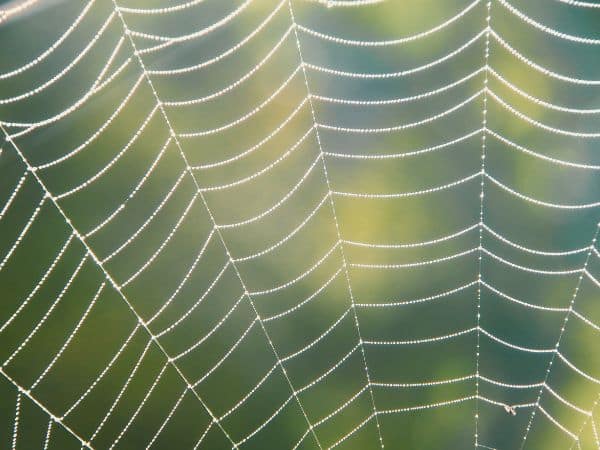
Take the hunt outside for a nature twist. Head to your backyard, park, or a nature trail and search for shapes in the environment. Look for triangular pinecone seeds, circular stones, oval leaves, or a square shaped garden. Discuss how nature uses geometry efficiently, like in snowflakes, beehives, or spiderwebs, and relate it back to quilts: “These shapes fit together without gaps, just like in a quilt pattern.”
Bring a notebook to sketch finds or collect safe items (like fallen leaves) to arrange into mini-quilts at home. This promotes outdoor play, sensory exploration, and environmental awareness. Aim for 30-45 minutes, and tie it in with weather—fall leaves offer great triangles! If your child loves it, extend to identifying symmetries in flowers or patterns in bark.
Additional Home Activities for Reinforcement
Other ideas: Sort fabric scraps by shape, make a paper quilt by gluing cutouts, or bake “quilt” cookies with geometric icing designs. For the paper quilt, cut shapes from construction paper, arrange them on a large sheet, and glue—talk about tessellation as you go. Baking? Use cookie cutters in basic shapes and decorate to mimic quilt blocks. These reinforce that quilts apply geometry to meet needs—like warmth and decoration—while keeping hands busy.

Visit a Quilt Shop: See Real-World Geometry in Action
If possible, visit a local quilt shop—it’s a treasure trove of inspiration! My boys loved our adventure to a local quilt shop, and let’s be honest so did I. I love math, learning new things, and creating. Since having kids I stick to knitting washcloths, but one day I hope to try my hand at quilt making. They’re beautiful and they combine math and making something by hand, two of my favorite things!
Shops overflow with fabrics in every print, threads, tools, and often finished quilts on display. These displays may also include other uses of quilting, like pot holders, aprons, and more. Be sure to be respectful when visiting. You can call ahead to ensure kid-friendliness and ask about quiet times. Aim for 30-60 minutes to avoid frustrated little ones.
What to Do and See
Walk your child through the process: “See these fabric bolts? They’re cut into shapes and sewn into quilts like this one.” Touch the quilts (with permission), trace patterns with fingers, and spot shapes. Identify triangles in star blocks or hexagons in English paper piecing displays. Chat with staff—they might demonstrate a sewing machine or explain pattern math.
Ask questions like, “How do you make sure shapes fit perfectly?” or “What’s your favorite pattern and why?” If there’s a class area, observe quilters at work. Buy a small fabric scrap as a souvenir to use in home activities.
No shop nearby? Virtual tours of museums like the International Quilt Museum work too. This outing makes geometry tangible: “Look how these triangles form a star— just like our printable!”
Free Printable for Teaching Real-World Geometry
Alright, time to use the printable! The printable includes multiple cards with pattern designs on children’s quilts.
Getting Started with the Printable
Start with easier ones, guiding as needed: “Which shape fits this space? Rotate it—yes!” Provide verbal cues like, “Try the blue rhombus here.” If they struggle, model one card first.
Extending the Challenge
For challenges, extend patterns: “Can you continue this design across the whole quilt?” Or let them invent: “Design your own quilt for a teddy bear!” This encourages creativity and advanced thinking like rotation and congruence. Discuss: “How did you decide on that shape?”
Laminate for reuse, or print extras for siblings. Track progress—start with matching, graduate to free design.

Additional Free Printables for Pattern Blocks
There are tons of pattern block printables out there, themed to spark interest. If quilts hook your child, search for more, but here are our favorites:
- Animals: From the site Pre Kinders these mats build animal bodies with shapes like lions and elephants. Great for zoo units. Expand by researching animal habitats and their geometric features, like striped patterns.
- Winter Patterns: Snowflakes, mittens and more from Ms. Moran’s Kindergarten are perfect for seasonal fun. Tie in symmetry by mirroring designs, mimicking quilt reflections.
- Summer Patterns: Beach balls, suns and more designs encourage kiddos to extend their rambunctious outdoor play to a quiet activity. Also, challenge kids to create summer quilts using warm color block shapes.
Many are free; Google “free pattern block mats” for endless options. If your kid zooms through these, it’s a sign to explore deeper!

Symmetry Mats Challenge
For pre-K kids or kindergarten kiddos who are ready for more, introduce symmetry mats. These mats from Preschool Mom have half-designs and require mirroring with blocks. This teaches reflection and balance. Start simple, like a butterfly, explaining: “Symmetry means both sides match, like folding a quilt.” Use a mirror to check work.
Next, try complex quilts. “Make this side match—that’s symmetry!” More free symmetry mats are available with a little searching—pair with mirrors for visual aid. Relate to real quilts: “Many quilts are symmetrical for balance.” This builds visual discrimination and prepares for advanced math.
Connect Preschool Math Patterns to Real-World Geometry
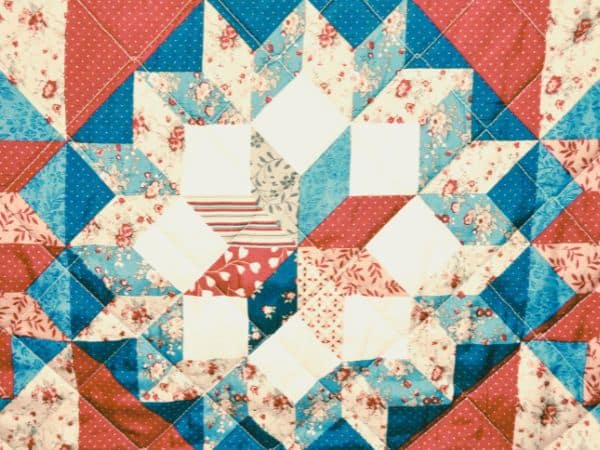
Ultimately, this printable can be a quick math session or a quilt-themed extravaganza. Expand by researching quilt history, making no-sew fleece blankets, or visiting a quilt show.
Play-based math is key for the younger years when we can let curiosity lead. Hide blocks for a treasure hunt, tell stories with quilt designs, or integrate with art by coloring patterns. Combine with shape hunts for a full day of exploration.
There’s truly so much to learn about geometry by simply studying quilt designs, so don’t miss out! If you plan to try out this simple hands-on activity with your kiddo or even expand it into a unit study by diving deeper into real-world geometry, comment below! Thanks for reading and let’s keep playing for hours.
Recent Posts on the Homeschool Blog