Skip to content
INSPIRE A LOVE FOR BIRDWATCHING
Bird activities for preschoolers.
— By Julie Hodos on March 14, 2024; Updated on November 4, 2025.

This post may contain affiliate links. Please refer to our disclosure policy.
Does your kiddo love birds? Mine absolutely do—we’re constantly pointing out the Towhee pecking away in the yard or spotting the Brown Thrasher hiding among the bushes. It’s one of those simple joys that turns an ordinary backyard stroll into a mini adventure. It took a few years to get my eldest boy, Marty, as excited as I was about bird watching.
Initially, Marty would glance up and shrug, but after a full week of hands-on bird activities for preschoolers, everything changed. Now he keeps an eagle eye out (pun intended!) and will enthusiastically shout, “Momma, there’s a cardinal by the compost!” Thanks to those engaging lessons, my second child, Mick, is right there with him, intently watching and pointing out every flutter.
Table of Contents
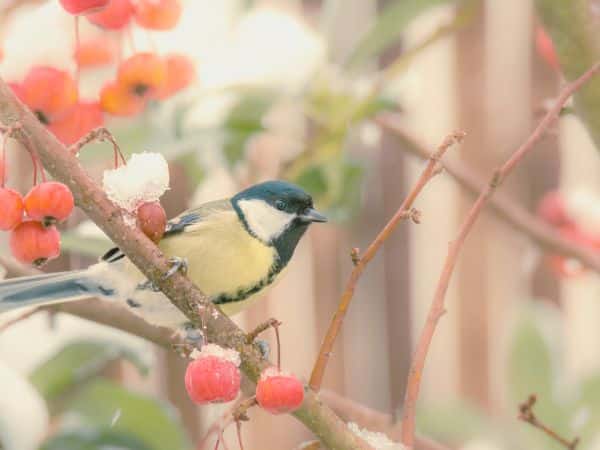
If you’re looking to foster that same wonder in your little ones, I encourage you to check out the entirely free Bb is for Bird homeschool preschool lessons. It’s packed with play-based fun that helps your child develop a new appreciation for birds—without any pressure or screens. We’ve turned our home into a bird haven, and I’m thrilled to share how you can too. These bird activities for preschoolers are simple, messy in the best way, and perfect for building curiosity, fine motor skills, and even early science concepts.
Why Learn About Birds?
Birds are the perfect gateway to nature for preschoolers—they’re colorful, musical, and literally right outside the window, no matter where you live! Studying birds builds early science skills like observation and classification while sparking empathy for living things. Kids learn responsibility (refilling feeders), patience (waiting for a sighting), and environmental awareness (how seasons affect migration). Plus, birdwatching is a lifelong hobby you can share—no fancy gear required, just curiosity and a cozy spot to sit together.
Books About Birds
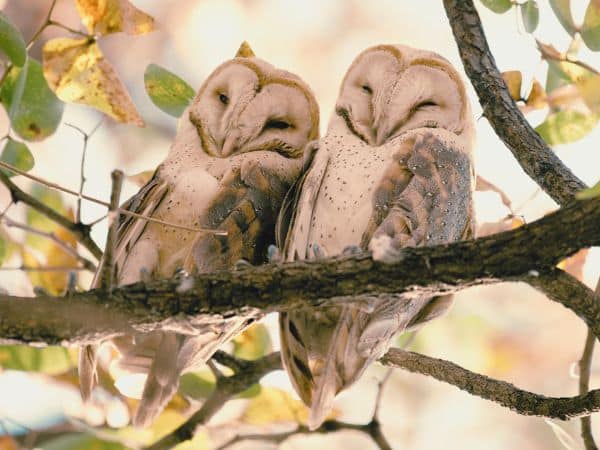
Reading is the cozy cornerstone of our bird week. There are countless books about birds out there, but during this week of bird activities, we pull out our favorites almost every day. The stories are timeless, the illustrations are stunning, and honestly, the boys and I never tire of them. Snuggling up with a good book sets the stage for excitement—it’s like priming their little minds for the hands-on fun ahead. We rotate through them, sometimes reading the same one twice in a row because the boys beg for “just one more page.”
I love how these stories naturally lead to questions: “Why does that bird sing so loud?” or “Where do baby birds sleep?”—perfect conversation starters that deepen understanding without feeling like a lesson. Here’s a thorough list of the bird books we love in our home, complete with why they work so well for preschoolers and practical tips on how to make reading interactive and memorable:
- Nesting by Henry Cole is a homeschooling community favorite, this book follows a robin family from nest-building to fledging in stunning black-and-white line drawings that feel both realistic and artistic. The quiet, detailed narrative teaches patience and the beauty of growth as the chicks transform from helpless babies to ready to fly adults. We read it at naptime for a calming wind-down, then revisit it during craft time to connect the dots—kids can color photocopied pages or draw their own robin families. It’s perfect for discussing seasons, parental care, and the idea that home looks different for everyone, even birds.
- Nest Eggs by Robert Louis Stevenson (from A Child’s Garden of Verses) is a classic poem is short, rhythmic, and perfect for studying the life cycle of a bird. It paints a gentle picture of eggs hatching into fluffy chicks under the watchful eye of a parent, using simple language that’s easy for little ones to memorize and recite. We read it slowly, pausing to talk about what’s happening: “What do you think the mommy bird feeds her babies?” It sparks conversations about nature’s cycles without overwhelming tiny attention spans. Pair it with a simple drawing activity—have your child sketch an egg, nest, or baby bird using crayons. It reinforces vocabulary like “hatch,” “fledge,” and “brood,” and the rhythm makes it a soothing bedtime repeat.
- Early Birdy Gets the Worm by Bruce Lansky is a whimsically illustrated, wordless book about a little bird who tries to get its own breakfast, facing funny mishaps along the way. The lack of text is perfect—it invites kids to narrate the story themselves, building confidence in storytelling and sequencing events. Marty and Mick take turns “reading” the pages, inventing dialogue like, “Oh no, the worm is slippery!” or “Fly faster, birdy!” We all giggle at the bird’s antics, and it’s a great opportunity to talk about perseverance and problem-solving. If your child is pre-verbal, point and ask open-ended questions: “What’s the bird doing now?” or “How does he feel?” It’s pure imaginative play in book form.
- Feathers for Lunch by Lois Ehlert is a bright, collage-style book where a curious cat tries to catch neighborhood birds but ends up learning about them instead. Each bird is labeled with its real name and a fun fact, making it a sneaky identification guide wrapped in a playful story. We use it to practice bird names and point out features like beak shape or tail length. After reading, we grab our homemade binoculars and hunt for the same birds in our yard! I love tying the book into an actual activity.
- The Bird Alphabet Book by Jerry Pallotta, this is an A-to-Z journey through bird species, from albatross to zebra finch, with vivid illustrations and bite-sized facts perfect for short attention spans. It’s a gentle intro to the alphabet while expanding vocabulary with words like “iridescent” and “migratory.” This an excellent bird book to add to your home library.
- Birds by Kevin Henkes, in this beautifully simple book, a child observes birds of all shapes, sizes, and colors from a window—some fly in curves, some straight, some rest on wires—ending with the magical moment when a bird lands nearby. The spare text and soft illustrations invite preschoolers to notice details in the sky and wonder about patterns. We read it slowly, pausing on each page to count birds or mimic their paths with our fingers.
- Birdsong by Audrey Wood, this gem features the various calls different species of birds make, from the cheerful chirp of a robin to the haunting hoot of an owl. The illustrations are vibrant and whimsical, pulling kids right into the scenes as they travel from one bird’s home to another across the pages. It’s a fantastic way to introduce auditory discrimination and mimicry, and we always follow up by stepping outside to listen for real bird calls—can your child match them to the book?
- Are You My Mother? by P.D. Eastman is about a baby bird that hatches while Mother is away, tumbles from the nest, and waddles off asking every creature and object—“Are you my mother?”—from a kitten to a snort-spitting steam shovel, until a joyful reunion. The repetitive question and hilarious mismatches keep kids giggling and shouting answers.
These eight books all about birds spark curiosity and questions in my boys that motivate them to learn more about these feathery creatures. If you’re building a home library, start with these—they’re affordable used or at the library. I frequently find my younger boys simply studying the beautiful illustrations in the books as well, even if they’re not being read to.

10 Epic Bird Activities for Preschoolers
Hands-on is where the real magic happens! Here you’ll find ten bird activities for preschoolers, each designed for quick prep and maximum engagement. Spread them over a week or two, mixing with books for reinforcement. Every activity includes a clear description and key learning opportunities—from fine motor boosts to science sparks. Most materials are household staples or nature finds. Let’s jump in!
Pinecone Bird Feeders
Head out on a short nature walk to collect pinecones, then spread them with natural peanut butter (or sunflower seed butter for allergies), roll in a wild bird seed mix, tie with twine, and hang near a window to attract feathered visitors. The boys get deliciously messy, and within hours, chickadees and cardinals swoop in for a snack. It’s pure delight watching their presents for the birds be devoured!
Learning Opportunities: This bird activity teaches fine motor skills (spreading and rolling), science (bird diets and food chains), observation and patience (daily feeder checks).

Bird Nest Building
Encourage your child to find natural materials like twigs, dried grass, leaves, moss, and even some non-natural materials, then let your child weave and shape their own mini nest, adding playdough eggs or pom-poms as baby birds. It’s a cozy, imaginative build that mimics what they’ve seen in the books Nesting or Nest Eggs.
We actually have a nest in our nature collection that we found after clearing away bushes. I love pulling this out and allowing the boys to study how well it holds together (with careful handling, especially as the years go by) and how they can replicate it.
Learning Opportunities: Your child will practice fine motor skills (weaving and interlacing), science (nest engineering and material selection), creativity and problem-solving, and tactile sensory exploration with this awesome bird activity.

Craft Bird Watching Binoculars
Tape two empty toilet paper rolls side by side, punch holes on the outer edges, thread yarn for a neck strap, and let kids decorate with markers, stickers, or feather cutouts before heading to the window or yard to “zoom in” on real birds. My kids skipped decorating entirely in their excitement and immediately spotted a pair of cardinals at the pinecone bird feeder we made the day prior.
Learning Opportunities: In this bird activity your child will practice fine and gross motor development (assembling and wearing), pretend play and focus, hand-eye coordination, introduction to observation tools and real-world birdwatching.

Feather Study
Feathers come in a variety of shapes, colors, and textures. They’re absolutely fascinating to study from the very hard tip to the soft feathery end. We collect feathers (yes, you need to be wary of lice but we’re willing to brave it and haven’t had an issue) so we have a variety. Allow your child to study the different styles.
If you have a plethora of feathers and ones that you’re willing for them to pull on and “ruin” then let your child more thoroughly examine how a feather is structured. We now have access to a ton because of our backyard chickens – seek out a local chicken keeper and see if they’re willing for your child to collect some feathers off the ground.
Learning Opportunities: This bird activity teaches sensory processing (touch and texture), early math (sorting, counting, patterning), and science (flight engineering).
Bird Song Echo Game
Use a free app or YouTube to play short clips of real bird calls (robin, owl, woodpecker), then have kids echo the sounds using their own voices. I include this with the book Birdsong as well.
Learning Opportunities: With this bird activity your child will practice auditory discrimination and listening skills, vocal mimicry and language development, rhythm and music exploration.

Bird Color Matching Printable
Print colorful bird templates on cardstock, cut them out, and have children match each bird to a corresponding square of construction paper by color—laminate the pieces for years of reuse and easy cleanup. It’s a calm, focused activity that doubles as a quick color assessment or teaching tool.
Learning Opportunities: Birds are very colorful so I love that this printable is bird-themed. Your child will learn color recognition and sorting, one-to-one correspondence, fine motor skills (cutting and matching), as well as early classification concepts.

Visit an Aviary
Take a field trip to a local zoo’s aviary or nature center where kids can walk through enclosed habitats and observe exotic birds like toucans, roadrunners, or parrots up close, using their homemade binoculars to feel like true explorers. We’ve watched a roadrunner dart just feet away and marveled at iridescent feathers shimmering in the light. Also, seeing an owl up close and in the daylight was nothing short of wonderous.
Learning Opportunities: This bird activity teaches biodiversity awareness (a great lead into a habitat unit), sensory immersion (sights, sounds, movement), social skills (outing etiquette), real-world connection to over 10,000 global bird species.
Read Next: Animal Habitats with Free Printable
Backyard Bird Count
Set a timer for 10 quiet minutes each day in the same spot (such as on the back porch or sitting in a window seat), then use a simple tally chart with drawings or stickers to record every bird spotted—bonus points for naming colors or types. Do this for different times during a day and you might be surprised at the patterns you see.
Learning Opportunities: Another great bird activity that brings together different subject disciplines into a cohesive lesson. Your child will learn Scientific observation and data recording, patience and focus, early math (counting, graphing), and pattern recognition.
Recycled Bird Mobiles using yarn or fishing line, then hang the mobile in a breezy spot to twirl and catch the light—it’s living art that moves with the wind. Kids love watching their creations dance.

Life Cycle of a Bird
The free printable, available at the link, has the life cycle of a chicken that can be paired with life cycle toys. Your preschooler matching the toys with the cycle stage pictures is an excellent way to help solidify a bird’s life cycle.
Learning Opportunities: This bird activity teaches sequencing, vocabulary (metamorphosis, fledge), and life cycle of an animal.
Feather Painting
Let’s get artsy and create paintings with feathers. Dip craft or real feathers in washable paint and drag across paper to create swirling patterns and textures.
Learning Opportunities: This bird activity teaches sensory exploration, fine motor grip, color mixing, and artistic expression.
These bird activities for preschoolers build skills across the board and teaches concepts from various subjects. I also love that these bird activities for preschoolers don’t just have to be for 3-5 year old’s, they adapt for multiple ages easily. So if you have an older sibling wanting to participate they can find just as much learning opportunity in each activity as your preschooler.

Tips for Success
When teaching preschoolers at home it’s important to remember a few things, no matter if it’s bird activities or another topic. Most important is to remember their attention span is short and repetition of a loved activity is great! Check out the full list below:
- Keep it short & sweet—10-15 minutes per activity prevents overwhelm.
- Follow the child—if they linger on studying feathers for 30 minutes, let them! Their curiosity will guide them.
- Repeat favorites—My kiddo asked to make pinecone bird feeders three weeks in a row. No problem, repetition cements learning and it’s such a fun activity.
- Pair with snacks—read the bird books while eating trail mix also known as bird seed for multisensory magic.
- Invite mess outdoors—peanut butter fingers wash off easier in the grass than on carpet.
- Document the joy—snap a quick photo and/or record in their homeschool preschool portfolio.
Utilize these tips for success and you’ll be well on your way to creating a great learning environment for your preschooler that is all about birds.

Online Resources for Learning About Birds
Discover more about birds from the comfort of your own home with these great resources online.
- Cornell Lab of Ornithology – Discover All About Birds Free bird ID guides, live nest cams, and sound clips perfect for the Bird Song Echo Game.
- Audubon for Kids has printable coloring pages, bird-calling games, and simple citizen-science projects.
- PBS Kids – A fun resource featuring the TV Show Nature Cat. You’ll find games and more ways to learn about birds.
- YouTube – Search for “Bird Songs for Kids” playlist – plus, no ads if you use a parent account.
Seasonal Bird Activity Extensions
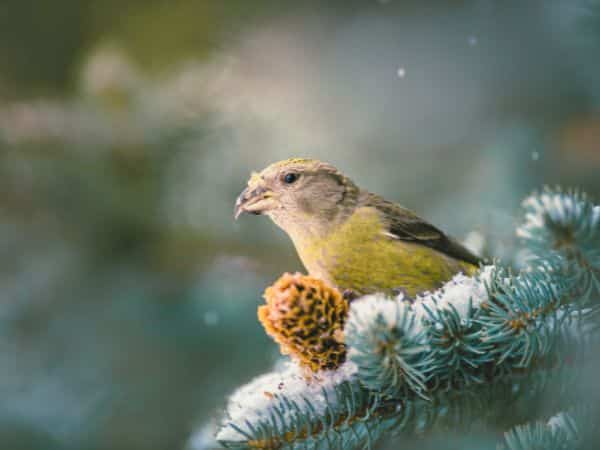
Birds are subject to the changing of their seasons. Their diet, habits, and even the colors of their feathers can change. Teach your child about the changing of the seasons, as well as how birds are affected and react to the change in their environment.
- Spring Nest Watch: Keep an eye out for a nearby nest (especially wrens or sparrows). Check daily for eggs or chicks and sketch changes in a “nest journal.” Be sure to be respectful of space. Learning Opportunities: Life cycles, patience, non-intrusive observation.
- Summer Feather Hunt: After molting season, search the yard for shed feathers; sort by size/color and glue into a “feather rainbow” collage. Learning Opportunities: Classification, patterns, fine motor gluing.
- Fall Migration Map Description: Tape a world map on the wall. Then, use bird stickers to track geese or warblers flying south and move them weekly. Learning Opportunities: Geography, directional language, seasonal change. I love the book Bird, Butterfly, Eel by James Prosek for teaching about migration to younger kiddos.
- Winter Bird Café Description: Similar to the pinecone bird feeders, string orange halves and suet balls on branches (we also enjoy popcorn and cranberries). Then, watch chickadees and nuthatches brave the cold while other species have flown south. Learning Opportunities: Animal survival, temperature awareness, generosity.

Child Approved (and Mom Tested!)
My boys love these ten bird activities for preschoolers (even my older kiddos). Binoculars are still in constant rotation, bird feeders are frequently being made, and they correct me on bird names like mini ornithologists! They’ve developed genuine curiosity and care for our feathered neighbors, and the best part? It all happened through play.
If you haven’t grabbed Bb is for Bird yet, do it today. It’s play-based learning at its finest, building skills through joy. And don’t miss the full free Letter of the Week curriculum—more themes, more fun, no cost. What’s your family’s favorite bird to observe? Drop a comment—I’d love to hear! Ours are the cardinal pairs flitting around our backyard.
Recent Posts on the Homeschool Blog