Skip to content
CONNECT, EXPLORE, & CREATE THIS AUTUMN
22 Fall bucket list ideas for your family.
— By Julie Hodos on September 2, 2025

This post may contain affiliate links. Please refer to our disclosure policy.
Fall is a season brimming with opportunities for families to connect, explore, and create lasting memories. The crisp air, vibrant foliage, and festive holidays like Halloween and Thanksgiving make it the perfect time for outdoor autumn adventures, cozy indoor crafts, and hands-on learning.
Here you’ll find the ultimate fall bucket list for families, featuring activities that will take you outside to appreciate the beauty of the season and others that will let you cozy up indoors. Each fall activity is designed to be family-friendly, engaging for kids, and packed with opportunities for bonding, creativity, and education. Whether you’re picking apples, crafting with leaves, or stargazing under a clear autumn sky, this bucket list will help you make the most of the season.
Table of Contents
Why Create a Fall Bucket List?
A fall bucket list is more than a checklist—it’s a guide to creating cherished family moments that celebrate the season’s unique charm. Autumn’s cooler temperatures, colorful landscapes, and festive spirit inspire activities that blend fun, learning, and togetherness.
For young children, many of these fall activities incorporate play-based learning, fostering curiosity, creativity, and developmental skills like fine motor control and observation. For parents and older siblings, they offer a chance to slow down, reconnect, and build traditions. From exploring nature to baking seasonal treats, these activities encourage families to embrace the magic of fall while creating memories that last a lifetime.
My own young family loves partaking in each of these bucket list ideas if we’re not able to do each every year. As a homeschool family we have the freedom to do many of the fall activities during the week so we fit in quite a few, but if you don’t homeschool your kiddos, take heart! There are approximately 12 weekends during the months of September, October, and November so you can still prioritize approximately 12 fall activities!
To make it easier for most every family I have created this fall bucket list so that it can be tailored to families with young children and includes ideas that appeal to all ages, ensuring everyone can participate. I’ve included tips for adapting activities, planning logistics, and making the most of each experience. Let’s dive into these 22 fall bucket list ideas!
Fall Bucket List Ideas
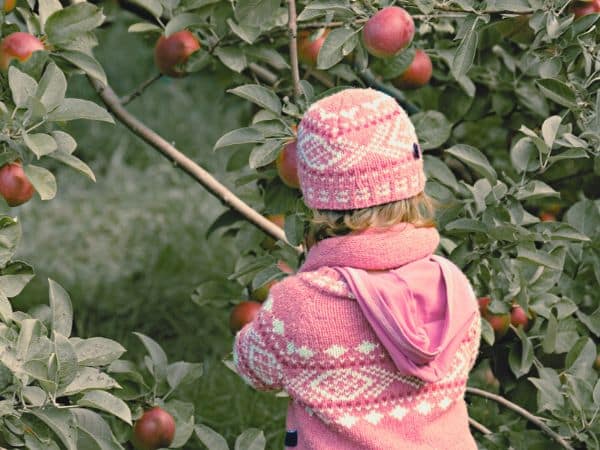
1. Visit an Apple Orchard and Learn Apple Facts
A trip to an apple orchard is a quintessential fall experience that combines outdoor fun with hands-on learning. Spend a day picking apples, enjoying hayrides, and sipping warm cider at a local orchard. Share fascinating tidbits, such as apples being part of the rose family or that there are over 7,500 apple varieties worldwide. Engage kids by asking them to guess how many seeds an apple might have or why apples float (they’re 25% air!). Back home, bake an apple pie, make applesauce, or create apple stamp art with halved apples and paint.
Why It’s Great: Combines physical activity, sensory exploration, and science lessons about plant growth.
Tip: Bring a notebook for kids to draw apple varieties or jot down facts. Check orchard websites for events like cider pressing.
For Younger Kids: Let them pick low-hanging apples and focus on simple facts.
For Older Kids: Challenge them to research a new apple recipe or calculate apple quantities.
The Perfect Read:
Apple Cider Making Days by Ann Purmell: This story follows a family as they harvest apples and make cider, offering a glimpse into the process and the joy of working together. It’s great for sparking discussions about where food comes from.

2. Make a Pinecone Bird Feeder
Turn a nature walk into a craft project that teaches all about a bird’s diet. Gather pinecones, coat them with peanut butter (or a nut-free alternative), and roll them in birdseed. Hang them in your yard and watch as sparrows, finches, or chickadees visit. Teach kids about local wildlife and why some birds migrate in fall. Pair with a bird-watching journal to track visitors and learn their names.
Why It’s Great: Fosters environmental awareness and fine motor skills.
Tip: Use a field guide or app to identify birds. Try toilet paper rolls if pinecones are scarce.
For Younger Kids: Help them spread peanut butter with a spoon.
For Older Kids: Research which birds stay in your area during fall.
The Perfect Read:
Nesting by Henry Cole: This story follows the life of a family of robins in beautiful black and white illustrations, except for the beautiful blue eggs. Explore nesting habits, the life cycle of birds, and more in this wonderful picture book.

3. Create Leaf Art
Celebrate fall’s vibrant colors with this fall activity by making art and crafts. Make leaf rubbings, glue leaves into animal shapes, or press them between wax paper for a stained-glass effect. Discuss why leaves change color (less chlorophyll) to add science.
Why It’s Great: Boosts creativity, fine motor skills, and seasonal understanding.
Tip: Collect varied leaves (oak, maple) to compare shapes. Use non-toxic glue.
For Younger Kids: Focus on simple gluing or painting.
For Older Kids: Create a leaf collage that tells a story.
The Perfect Read:
Leaf Man by Lois Ehlert: This classic storybook will inspire your child to create more than a colorful picture with leaves but an entire story!
4. Write an Autumn Adventure Poem
Write a family poem about fall. Encourage kids to describe sensory details—crisp leaves, cool breezes, pumpkin spice. Younger kids dictate ideas, while older siblings write stanzas. Display or read aloud during a cozy night.
Why It’s Great: Encourages language development and collaboration.
Tip: Use colorful markers or leaf stamps. Try an acrostic poem with “FALL.”
For Younger Kids: Describe one thing they love about fall.
For Older Kids: Introduce alliteration or rhyme.
The Perfect Read:
Four Seasons Make a Year by Anne Rockwell: Explore the wonders of the seasons with this beautifully illustrated picture book. Rockwell steps you through the changing of a farm throughout a year with simple, yet descriptive text.

5. Explore the Moon Phases with a Snack-Time Lesson
Let’s make snack time educational. Cookies are perfect for representing moon phases. Explain why the moon changes appearance. Observe the real moon on a clear fall night.
Why It’s Great: Combines sensory play and astronomy.
Tip: Use a flashlight and ball to show moonlight reflection.
For Younger Kids: Focus on basic phases, such as, full moon and new moon.
For Older Kids: Discuss waxing and waning or lunar eclipses.
The Perfect Read:
Moon by Britta Teckentrup: Follow the lunar cycle through clever peek-through holes while simultaneously be taken around the world to see the different animals the moon shines upon.

6. Learn About an Owl’s Diet
What do owl’s eat? Lucky for us they regurgitate balls of fur and left over prey bones called owl pellets. Have fun dissecting these furballs and recreating the skeletons.
Why It’s Great: Fosters wildlife curiosity.
Tip: Listen to owl calls online or visit a nature center.
For Younger Kids: Focus on owl sounds and simple facts.
For Older Kids: Research owl species like barn owls.
The Perfect Read:
Barn Owls by Tony Johnston: This picture book beautifully captures the timeless life cycle of barn owls nesting and hunting in a century-old barn amidst a wheat field.

7. Discover Nocturnal Animals with an Adventure
Read about raccoons, foxes, owls, or other creatures of the night in a blanket fort with a flashlight and discuss nighttime survival adaptations. Go on a backyard night hike to spot critters.
Why It’s Great: Sparks imagination and teaches animal adaptations.
Tip: Buy kids flashlights ahead of time.
For Younger Kids: They may be a little spooked by the night so make it more whimsical by setting up their stuffies throughout the yard. Go with them on their adventure to spot their stuffies hanging out in lawn chairs or swinging on swingsets.
For Older Kids: Research bioluminescence in fireflies.
The Perfect Read:
Flashlight by Lizi Boyd: This wordless picture book follows a child’s nighttime adventure, using a flashlight to reveal hidden creatures and vibrant details in a dark, enchanting world, brought to life through stunning black-and-white illustrations and colorful accents.

8. Stargaze and Learn Constellations
Introduce constellations like the Big Dipper or Orion. Lay out a blanket, sip hot cocoa, and use a star chart or app. Share myths like Orion the Hunter to spark imagination.
Why It’s Great: Encourages wonder and basic astronomy.
Tip: Bring a telescope or binoculars. Check planetarium events.
For Younger Kids: Focus on easy constellations.
For Older Kids: Create their own constellation and story.
The Perfect Read:
Our Stars by Ann Rockwell: A concise yet informative book that explains stars, constellations, and their significance at a preschooler’s level. It touches on practical uses of stars, like navigation.

9. Go on an Autumn Adventure Walk
Plan a family nature walk that inspires and encourages all the senses to be used. Collect acorns, pinecones, or leaves, and discuss plants and animals. Encourage questions and bring along water color paints for a reflective time.
Why It’s Great: Promotes physical activity and environmental appreciation.
Tip: Create a scavenger hunt checklist.
For Younger Kids: Focus on sensory experiences like touching bark and listening to birdsong.
For Older Kids: Use a nature journal to sketch findings.
The Perfect Read:
The Hike by Alison Farrell: A delightful picture book that follows three friends on a forest adventure, filled with vibrant illustrations and engaging details about nature, it will inspire young readers to explore the outdoors and even keep their own nature journals

10. Explore the Apple Life Cycle
Use the free printable by following the link above to teach how apples grow from seed to fruit. Match stages (seed, sprout, tree, blossom, fruit). Discuss before an orchard visit or an apple taste test at home.
Why It’s Great: Introduces biology in a tangible way.
Tip: Compare apple varieties like Granny Smith.
For Younger Kids: Focus on basic stages.
For Older Kids: Research pollination or bees’ role.
The Perfect Read:
The Seasons of Arnold’s Apple Tree by Gail Gibbons: A charming picture book that follows young Arnold and his apple tree through the changing seasons, vividly illustrating the tree’s transformations with clear, colorful artwork and simple text that teaches children about nature’s cycles.

11. Have a Pumpkin Carving Party
Carve pumpkins with kid-safe tools or with the parent wielding the sharp device. Save seeds to roast with All-Purpose Seasoning. Finish by discussing the pumpkin life cycle and reading a book.
Why It’s Great: Encourages creativity and fine motor skills.
Tip: Use battery-powered candles. Host a pumpkin showcase.
For Younger Kids: Provide the younger kiddos with a permanent marker and give tips on the best shapes that you, as the parent, can best carve (such as, triangles and squares).
For Older Kids: Encourage intricate designs or themes by showing examples of pumpkin carving artwork online.
The Perfect Read:
Pumpkin Jack by Will Hubbell: A heartwarming picture book that follows a boy as he watches his carved Halloween pumpkin decompose and transform into a new plant over the seasons, beautifully illustrating the cycle of life and nature’s renewal with vivid illustrations.

12. Bake Fall Treats Together
Bake pumpkin bread, apple muffins, or cinnamon cookies in this fall activity. Let kids measure ingredients or decorate. Discuss measurements or basic counting for math skills.
Why It’s Great: Builds math skills and teamwork.
Tip: Use simple recipes like no-bake bites.
For Younger Kids: Use sprinkle toppings or shape dough.
For Older Kids: Have a hands-off approach and you be the helper.
The Perfect Read:
In November by Cynthia Rylant: Capture the quiet beauty of late autumn, weaving poetic text and warm illustrations to depict nature’s transition. Animals prepare for winter and families gather in cozy celebration.

13. Create a Fall Scavenger Hunt
Design a scavenger hunt with items like a red leaf or acorn. Add challenges like “find something a squirrel eats.” This is a perfect fall activity for young kids learning about the seasons.
Why It’s Great: Promotes critical thinking and exploration.
Tip: Offer prizes like stickers. Laminate checklists and use clipboards.
For Younger Kids: Use picture checklists.
For Older Kids: Add a time limit or team competition.
The Perfect Read:
The Tale of Squirrel Nutkin by Beatrix Potter: Follow the mischievous Squirrel Nutkin, whose cheeky antics and riddles test the patience of Old Brown the owl. This book will delight young readers and Potter’s enchanting illustrations depict the fall season perfectly.

14. Visit a Corn Maze
A traditional fall activity that is full of autumn adventures. Navigate a kid-friendly corn maze. Discuss corn’s role in fall harvests and its uses (popcorn, animal feed).
Why It’s Great: Encourages problem-solving and bonding.
Tip: Bring a map or app. Wear comfortable shoes.
For Younger Kids: Stick to short mazes.
For Older Kids: Let them lead.
The Perfect Read:
The Scarecrow by Beth Ferry: A lonely scarecrow watches over his fields of gold but one day an unexpected visitor arrives and an unlikely friendship occurs.

15. Make a Gratitude Tree
Create a gratitude tree in November. Write or draw things you’re thankful for on paper leaves and attach to a branch or paper tree. Hang on the fridge for a gentle daily reminder.
Why It’s Great: Promotes emotional intelligence.
Tip: Use twigs in a vase. Add glitter or paint.
For Younger Kids: Draw pictures of things they love.
For Older Kids: Reflect on specific memories.
The Perfect Read:
Thankful by Eileen Spinelli: Celebrate gratitude through poetic text and charming illustrations. This book highlights everyday moments—like a dancer’s grace or a firefighter’s courage—that inspire thankfulness in children and families alike.

16. Go on a Hayride
Take a hayride at a local farm. Point out crops, animals, or trees. Pair with a four seasons activity printable or craft like this one here, The Four Seasons of a Tree.
Why It’s Great: Offers a relaxing, scenic experience.
Tip: Bring blankets and hot drinks. Check schedules.
For Younger Kids: Discuss the four seasons and characteristics of each.
For Older Kids: Discuss farming history.
The Perfect Read:
The Year at Maple Hill Farm by Alice Provensen: From the budding spring to the quiet winter, the story captures the seasonal rhythms, the lively antics of farm animals, and the daily joys and challenges of rural life.
17. Craft a Fall Wreath
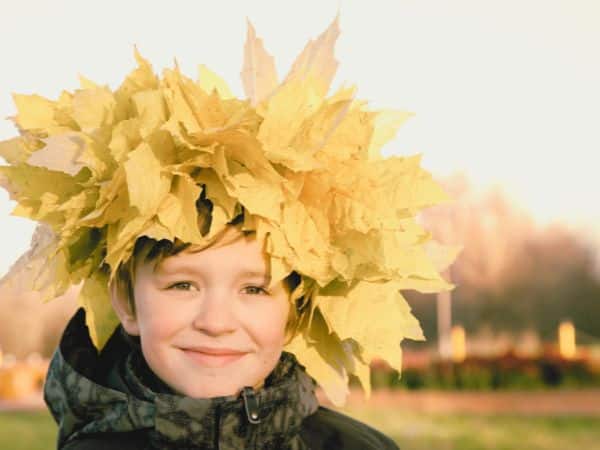
Make a wreath with leaves, pinecones, and twigs. Use a foam or wire base and hot glue (with adult supervision).
Why It’s Great: Celebrates natural beauty and creativity.
Tip: Press and spray leaves with sealant prior to the activity. Add ribbon or mini pumpkins.
For Younger Kids: Arrange materials while adults glue.
For Older Kids: Design a themed wreath.
The Perfect Read:
Fall Walk by Virginia Brimhall Snow: Invite young readers to take a stroll through an autumn forest and discover different kinds of leaves. Best of all children will learn their names and how to identify them.

18. Host a Fall Movie Night
Watch fall-themed or Halloween-themed films like It’s the Great Pumpkin, Charlie Brown, The Nightmare Before Christmas, or Hocus Pocus in a blanket fort. Serve popcorn and cider.
Why It’s Great: Fosters relaxation and bonding.
Tip: Use a projector for outdoor screening. Check ratings.
For Younger Kids: Prescreen movies for age appropriate viewing.
For Older Kids: Include classic Halloween movies such as The Goonies, Young Frankenstein, Arsenic and Old Lace, or House on Haunted Hill. Still prescreen these for age appropriate viewing.
The Perfect Read:
The Pumpkin Book by Gail Gibbons: Explore how pumpkins grow, their history, and their role in Halloween and Thanksgiving.

19. Plant Bulbs for Spring
Plant tulips or daffodils for spring blooms. Let kids dig holes and place bulbs. Mark spots for a spring reveal.
Why It’s Great: Teaches plant cycles and patience.
Tip: Choose deer-resistant bulbs. Use a bulb planter.
For Younger Kids: Decorate plant markers.
For Older Kids: Research bulb types for your climate.
The Perfect Read:
From Seed to Plant by Gail Gibbons: Learn about a plant’s life cycle, including pollination and seed dispersal.

20. Make DIY Halloween Costumes
Create homemade costumes from old clothes or cardboard (for example, scarecrows and animals).
Why It’s Great: Encourages creativity and reduces waste.
Tip: Shop thrift stores.
For Younger Kids: Make simple costumes like a box robot.
For Older Kids: Design book or movie character costumes.
The Perfect Read:
Room on the Broom by Julia Donaldson: A delightful Halloween tale about a kind witch who welcomes a host of quirky animals onto her broom.

21. Build a Leaf Pile and Jump In
Rake a leaf pile and let kids jump in. Discuss why leaves fall for a science lesson.
Why It’s Great: Offers active, sensory fun.
Tip: Take photos. Check leaves for bugs.
For Younger Kids: Make a small pile for safety.
For Older Kids: Add a game like tossing a ball into the pile.
The Perfect Read:
Fletcher and the Falling Leaves by Julia Rawlinson: a charming book about a young fox who is worried about his favorite tree losing its leaves.

22. Host a Fall Storytime with a Campfire
Roast marshmallows and share stories about autumn adventures or family traditions.
Why It’s Great: Combines storytelling, sensory experiences (roasting marshmallows), and family bonding in a cozy setting.
Tip: Choose age-appropriate books and keep a bucket of water nearby for outdoor fires.
For Younger Kids: Read short, colorful stories and let them toast marshmallows with help.
For Older Kids: Encourage them to tell their own fall-themed story or ghost tale (not too scary!).
The Perfect Read:
The Scarecrow’s Hat by Ken Brown: A clever chicken who admires Scarecrow’s comfy hat proposes a series of clever trades with other farm animals to get it.
Tips for a Successful Fall Bucket List
- Plan Ahead: Research farms, orchards, or parks for schedules. Book tickets early for popular events.
- Involve Everyone: Let each family member pick a fall activity to ensure inclusivity.
- Adapt for Ages: Modify crafts or challenges for different age groups (e.g., simpler tasks for toddlers, complex ones for tweens).
- Document the Fun: Create a fall scrapbook or photo album. Let kids decorate pages.
- Stay Flexible: Have indoor alternatives (crafts, movies) for rainy days.
- Incorporate Learning: Teach concepts like seasons or wildlife adaptations through activities.
- Embrace the Season: Use warm drinks, blankets, and decorations to enhance the fall vibe.
Why These Activities Matter
This fall bucket list fosters family bonding, curiosity, and traditions. Fall activities blend fun, creativity, and education, helping young kids develop skills like fine motor control and observation while engaging older siblings and parents. They encourage outdoor exploration, appreciation of nature, and cozy indoor moments, from apple orchards to campfire story times.
By checking off this bucket list, you’re building memories that strengthen family bonds and inspire a love for learning. These 22 fall activities offer something for every family, whether you’re seeking adventure, creativity, or quiet moments. Grab your sweaters, pour some cider, and start your autumn adventure today!
Recent Posts on the Homeschool Blog