 Skip to content
MODES OF TRANSPORTATION
Sorting activities for preschoolers in homeschool.
— By Julie Hodos on December 19, 2024; Updated on December 31, 2025.

This post may contain affiliate links. Please refer to our disclosure policy.
Sorting activities for preschoolers are one of my absolute favorite ways to sneak in powerful learning while keeping things super playful and fun. They’re never boring, never feel like “school,” and they build real confidence in your young learner. Here, we’ll dive into sorting activities that are easy to set up, playful, and build on those foundational math skills.
Table of Contents

Today I want to share a brand-new free printable that takes sorting to the next level—moving beyond just color and size into actual critical thinking. It’s part of our train-themed week (Tt is for Train), perfect if your little one is currently in the “choo-choo” phase that my kiddo went through when he was 4. But even if trains aren’t their current obsession, this transportation sorting activity is gold for any 3–5-year-old. My son would sort these on repeat and play imaginary stories.
Let’s dive in—I’ve got tons of ideas, tips, and real-life examples to share so you can make sorting activities for preschoolers a daily habit without any stress.
What Are Sorting Activities for Preschoolers?
Sorting is simply grouping objects, pictures, or anything around use based on shared characteristics. Some classic sorting activity examples that are a hit with kiddos include:
- Putting all the red Duplo blocks in one pile and blue in another (color sorting)
- Separating big pom-poms from small pom-poms (size sorting)
- Grouping plastic animals—farm animals here, zoo animals there, pets in another pile (category sorting)
- Lining up toy cars by type: race cars, trucks, emergency vehicles
At the preschool age, sorting builds so many skills at once:
- Visual discrimination (spotting differences and similarities)
- Logical reasoning and problem-solving
- Early math concepts (classification is literally the foundation of sets, Venn diagrams, and even basic data organization later on)
- Language development—they have to name the attributes (“This one is bumpy!” or “This goes in water!”)
- Fine motor skills when they physically pick up and move items
- Executive function: planning, focus, and self-control
- And most importantly—that glowing confidence when they get it right
The absolute best part? It feels like pure play to them. My son will happily sort his toy trains by color and think it’s the best game ever. No coaxing required. We’re handling/playing with toys after all!
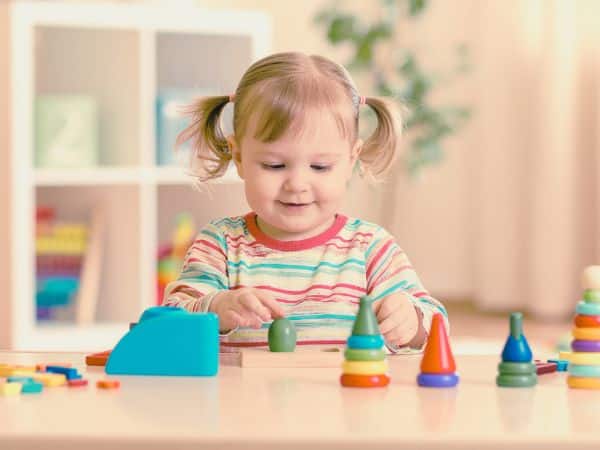
Why Sorting Matters Way Beyond Just Tidying Up Toys
We all want our kids to grow into strong, independent thinkers who aren’t afraid of challenges. Sorting activities for preschoolers are one of the very first stepping stones toward that goal.
It teaches them to notice patterns, make decisions, justify their choices, and even handle being wrong gracefully (“Oops, the submarine doesn’t go on land—let’s move it!”).
When we gently push beyond obvious visual traits (color, size, shape) into functional, conceptual, or knowledge-based traits (how it moves, where it lives, what sound it makes, whether it’s alive or not), we’re actually introducing early taxonomy—the exact same system scientists use to classify animals, plants, minerals, and everything in the natural world.
Yes, your 4-year-old is doing real science when they debate whether a hot air balloon belongs with airplanes or needs its own “floats really high” category. Or when they insist a rocket goes in “space” and you get to expand their thinking to include “air AND space.” Those little conversations are pure gold.
Research in early childhood development (from places like NAEYC and Zero to Three) consistently shows that children who do lots of classification play in preschool have stronger math skills by kindergarten—especially in areas like patterning, measurement, and data analysis. But honestly? The confidence boost is what I notice most.

Starting Simple: Color, Shape, and Size Sorting Ideas You Can Do Today
Every child needs to master the basics first, and the good news is you probably already have everything you need at home.
Here are my family’s absolute favorite starter sorting activities for preschoolers that cost next to nothing:
- Laundry basket sock sort – Dump out a basket of clean socks and sort by size (Daddy’s giant ones vs. baby’s tiny ones) or by pattern. Bonus: they’re helping with chores!
- Kitchen utensil drawer sort – Pull out all the spoons, forks, butter knives, and kid utensils. Let them organize the silverware tray. Instant helper points.
- Button jar sort – If you have a button collection (or buy a cheap bag), sort by color, size, or number of holes. Supervise closely with younger ones.
- LEGO/Duplo sort – By color first, then by size (2×2 vs. 2×4 bricks), then by type (windows vs. doors vs. wheels).
- Cereal or snack mix sort – Use Cheerios, pretzels, raisins, and mini marshmallows. Sort by type or even try a challenge by sorting based on “crunchy vs. chewy.” Then eat your work—win-win!
- Nature walk treasures – Collect leaves, sticks, rocks, or acorns. Sort by color, texture (smooth vs. rough), length, or even “pretty vs. super pretty” (although this is subjective, not objective, let them make up rules for increased fun and playfulness).
- Toy food sort – If you have a play kitchen, sort fruits vs. vegetables, or breakfast foods vs. dinner foods.
These build confidence lightning-fast because success is immediate and obvious. Start with just two categories when they’re younger or new to sorting, then gradually add a third.
The Magic Leap: Sorting Beyond What They Can See
Once your child flies through color and size sorting (mine did this around 4), it’s time for the really exciting stuff—sorting based on function, purpose, habitat, material, sound, or anything that requires them to think and remember.
The secret sauce? Use topics they’re already obsessed with and know inside out.
Almost every preschooler is a transportation expert by age 3. They know cars drive on roads, boats float on water, planes zoom in the sky, trains chug on tracks, helicopters spin their blades, submarines dive deep. They’ve absorbed this knowledge from books, cartoons, real life, songs (“Wheels on the Bus”), and toys.
When we ask them to sort vehicles by WHERE they travel instead of what they look like, we’re forcing them to reflect on knowledge they already have. That reflection + decision-making is what skyrockets critical thinking.

Meet Our Free Land/Sea/Air Transportation Sorting Printable
This printable is the perfect next level challenge and I designed it for that exact cognitive leap.
It includes:
- Full color transportation cards.
- Three simple sorting mats labeled Land – Sea – Air
My son’s favorite part is the hang glider—“It’s like flying but with no engine!” Instant science conversation.
How to set it up in under 5 minutes:
- Print – Use regular paper and laminate it – this is my preferred option because then you can add Velcro tabs making it super easy for little hands (cardstock works well as an alternative option).
- Cut the cards (or have your child practice scissor skills).
- Lay out the three mats.
- Ask: “Where does this mode of transportation go? Land, sea, or air?”
- Let them sort and—most importantly—explain why.
Ways to extend the activity for even more learning:
- Add your own toys: Bring in actual toy vehicles and sort them on the mats.
- Wrong on purpose: Deliberately put the boat on land and wait for the giggles and correction.
- Timer challenge: “Can you sort all the cards in under 2 minutes?”
- Draw-your-own cards: “Draw a dragon—where would it go?”
Read Next: Train Activities for Kids
Real-Life Sorting Activities for Preschoolers That Are Literally Everywhere
You do NOT need printables (though they’re nice!). Here are 40+ ideas you can use from items found in and around your home.
In the Kitchen
- Fruits vs. vegetables in the fridge
- Sort pantry cans by size or label color
- Sort baking supplies: flour, sugar, sprinkles, chocolate chips
- Sort spices by color of lid (my kids love this one)
Laundry Room
- Sort clothes by color before washing
- Sort by person after drying (“Who does this belong to?”)
- Do you usually switch out your kid’s clothes all on your own for the season? Have them help (summer shorts vs. winter pajamas)
Toy Room Clean-Up (the holy grail)
- Sort by type: all the dolls, all the vehicles, all the blocks
- Sort stuffed animals by size or species
- Sort puzzle pieces by color or edge type – my young kiddo helped me with a 1000 piece puzzle by simply helping to sort pieces by edge or middle piece. Once that was complete he’d sort the middle pieces based on color.
Outside & Nature
- Rocks: shiny vs. dull, smooth vs. rough
- Leaves: green vs. autumn colors, oak vs. maple
- Bugs (use toys!): flying vs. crawling
Grocery Store
- Produce by color in the cart
- Items by fridge vs. pantry vs. freezer
- Sort by “healthy treat” vs. “sometimes treat”
Bath Time
- Bath toys: ones that float vs. sink, squirt vs. don’t squirt
Car Rides
- Sort vehicles you see: trucks vs. cars vs. motorcycles
- License plates by color or state
The possibilities are truly endless. Once you start looking, you’ll see sorting opportunities everywhere—and your child will start pointing them out too.

What to Do When They Get It ‘Wrong
When your child makes a mistake (or what looks like a mistake), that’s your opportunity to ask them about why they chose that spot. Having a conversation about it builds way more brainpower than getting it right on the first try or simply correcting them and saying, “no the helicopter goes in the sky.” Try these magic phrases:
- “Tell me about why you put the helicopter there.” (You’ll be shocked what they say—“Because it can land on water like a boat!” Boom—now you’re talking about real rescue helicopters.)
- “Can you think of another place it might go?”
- “Let’s pretend we’re the helicopter pilot—where do we fly?”
Nine times out of ten they’ll self-correct, or you’ll both decide it could go in two places (hello, early Venn diagram introduction!). Either way, they learn that mistakes are just information, not something to fear. That mindset alone is worth more than a hundred perfectly sorted cards.
Quick rule I live by: If they can explain their reasoning (even if it’s silly), it’s good enough for me at this age.
Turn Sorting Into a Family Game Night
Want to get the whole family involved and sneak in learning for siblings of different ages? These games work like magic:
- Sorting Scavenger Hunt – Everyone grabs 5 random safe objects from the living room in 60 seconds. Dump them in the middle and race to sort by whatever rule the youngest player picks (“shiny vs. not shiny” is always a hit).
- Mystery Bag Sort – Put 10 small items in a pillowcase. Kids feel (no peeking!) and sort into two piles on the table just by touch. Older siblings can do three or four categories.
- Human Sorting – Family members line up and sort themselves by height, birthday month, shoe size, or “who loves pizza the most.” Make phone calls to grandparents or cousins and have your child ask. We’re introducing surveys and the best way to track this sorting is with a bar graph. More math!
- Reverse Sorting – You sort baskets of toys a certain way. First one to determine what your categories are for how you sorted wins!
These turn a regular Tuesday evening into instant fun.

How to Make Your Own Sorting Cards
Run out of printables or want something specific tomorrow morning? You can make custom sorting cards faster than the coffee brews.
What you need: old magazines, store flyers, junk mail, scissors, glue stick, index cards or cardstock scraps.
Steps:
- Pick a theme your child is currently obsessed with (dinosaurs, unicorns, construction trucks, Paw Patrol, whatever).
- Flip through magazines together and tear out pictures (super fun for them).
- Glue each picture onto an index card.
- Decide on 2–4 categories. Write or draw the category labels on bigger cards for mats.
- Done!
Examples:
- Imaginary vs. real animals (kids love yelling “That penguin is real, but the dragon isn’t!”)
- Things that are yucky vs. yummy (broccoli vs. ice cream)
- Things that belong to baby brother vs. big sister
- Noisy vs. quiet things
- Day animals vs. night animals (owl, bat, raccoon vs. squirrel, bird)
Pro tip: Laminate with clear packing tape or toss in a dollar-store photo album page and they’ll last for multiple kiddos.

More Hands-On Math Activities
If you’re loving this math-through-play vibe, here are more favorites:
- Apple Math Cards – Teach your child number recognition with an apple theme.
- Drum Pattern Cards – Your child will understand patterns with this free resource.
- Tangram Shape Patterns – Get cozy with these quilt themed tangram cards.
Each of these math activities, I’ve used with my own kiddos to teach them math concepts.

How Sorting Changes by Age
2–3 Years
- Only 2 categories max
- Very different objects (big vs. tiny toys)
- Lots of 3 dimensional, hands-on objects (i.e. no pictures yet)
- Praise the effort, not just the result
3–4 Years
- 3 categories is exciting now
- 4–6 colors confidently
- Start simple function sorts (things that roll vs. don’t)
- Let them make mistakes and self-correct
4–5 Years
- Multi-layer sorting (first by color, then size within each color)
- Complex categories (think habitat sorting, things that are hot vs. cold, or animals that lay eggs vs. ones that don’t)
- Let them invent their own rules (“Sort by things Mommy likes vs. things Daddy likes”)
- Introduce sorting with negatives (“things that are NOT red vs. things that are red”)
Always watch their face. If eyebrows furrow too much, simplify. If they’re bored, add challenge.

Watch Their Confidence Grow Before Your Eyes
Sorting activities for preschoolers are honestly one of the simplest, cheapest, most powerful tools in your parenting arsenal at this age. They build math brains, language skills, focus, independence, and that beautiful “I can do hard things” mindset.
Download the free land/sea/air transportation sorting printable and try it this week. I promise you’ll be amazed at what your little one already knows.
Leave a comment below, sharing which sorting activity you’re most excited about using with your child. Happy sorting, friends!
P.S. If you want an entire year of this kind of low-stress, play-based learning, check out the free Letter of the Week. It’s a complete preschool curriculum with weekly themes, printables, book lists, and zero overwhelm. I reimagined Letter of the Week for homeschooling my own boys and have made it available to you. I hope it benefits you and your family as much as it has mine.
Recent Posts on the Blog






This blog offers valuable insights into safe and suitable modes of transportation for preschoolers. It’s a helpful resource for parents and educators, ensuring children’s safety and comfort during commutes.