Skip to content
HOOT, HOOT
15 owl activities for kids.
— By Julie Hodos on September 26, 2024; Updated on October 15, 2025.
This post may contain affiliate links. Please refer to our disclosure policy.
Today, we’re diving into the enchanting world of owls with a focus on owl activities for kids. If your little ones are fascinated by these wise, wide-eyed creatures of the night, you’re in for a treat. Owls aren’t just mysterious birds that hoot in the dark—they’re a gateway to learning about nature, science, and creativity in ways that keep kids engaged for hours.
Table of Contents
Imagine your child giggling as they craft their own fluffy owl or wide-eyed with wonder while dissecting an owl pellet (don’t worry, it’s not as gross as it sounds!). These owl activities are designed to be hands-on, easy to set up with everyday materials, and packed with learning moments. Whether you’re homeschooling, planning a rainy-day adventure, or just looking to spark some curiosity, this guide has you covered.
In this post, we’ll start with why introducing owls to kids is such a hoot (pun intended), then recommend some fantastic books to kick things off. After that, we’ll jump into practical owl activities for kids, each with a simple description and the key learning opportunities. Be sure to check out the fun facts about owls to wow your family too. Then we’ll wrap up with some final thoughts on making the most of these ideas.
Why Kids Should Learn About Owls
Learning about owls isn’t just about memorizing facts to regurgitate later—it’s about fostering a love for the natural world while building essential skills. Owls are perfect for kids because they’re relatable yet exotic. With their big eyes, silent flight, and mysterious habitats, they capture imaginations instantly, making education feel like play. Children are naturally fascinated by the creatures that prowl in the dark and owls are a great beginner nocturnal animal to learn about because of this. Also, maybe by the end the night might seem a little less scary for your child.

First off, studying owls teaches biology in a tangible way. Kids learn about adaptations, like how owls’ asymmetrical ears help them pinpoint sounds in the dark. This ties into broader science concepts, such as ecosystems and predator-prey relationships. For instance, understanding that owls control rodent populations shows kids the importance of balance in nature. It’s a practical lesson in environmental stewardship—encouraging them to think about conservation and why protecting habitats matters.
Creatively, owls inspire art and storytelling. Their mythical status in folklore (think wise old owls in fairy tales) sparks imaginative play. Activities involving owls can boost fine motor skills through crafts, improve observation during nature walks, and even enhance language development as kids describe what they see or read.
Socially and emotionally, owl-themed learning promotes curiosity and patience. Waiting quietly for an owl sighting teaches mindfulness, while group activities like building nests encourage teamwork. Plus, it’s adaptable for each age—owl activities for kids can be flexible for different ages and abilities, from toddlers painting with feathers to older kids researching species, their habits and habitats your whole family will be well on their way to a complete science lesson.
Research from organizations like the National Audubon Society highlights how bird education improves cognitive skills, like problem-solving and attention to detail. In a world full of screens, getting kids excited about owls pulls them outdoors or into hands-on projects, reducing screen time while boosting confidence. Ultimately, learning about owls helps kids appreciate biodiversity, develop empathy for animals, and see themselves as part of a bigger picture. It’s practical, fun, and lays the foundation for lifelong learning. So, why not give it a try? Your kids will thank you—with wide-eyed enthusiasm!
Recommended Books About Owls
Books are a wonderful starting point for owl activities for kids. They set the stage for imagination and provide context for hands-on fun. Here are some top picks, each with a brief description to help you choose. I’ve selected a mix of fiction and non-fiction to suit different interests and ages. Don’t be afraid of choosing whimsical books for older kids or factual books for younger. The illustrations and stories are still beautiful and engaging to ultimately draw in each age in a different way. The whimsy will trigger imaginations in older kids while the facts will plant seeds for building on in younger ones.
- The Barn Owls by Tony Johnston – This non-fiction-inspired story poetically describes the life cycle of barn owls in an old barn. With evocative illustrations, it’s suitable for ages 4-9. Kids learn about nesting, hunting, and growth stages without it feeling like a textbook. It’s excellent for sparking interest in life sciences and can lead to activities like journaling owl observations.
- Owls by Gail Gibbons – A non-fiction gem from the renowned children’s author, this book dives into owl species, anatomy, hunting habits, and habitats with clear text and detailed illustrations. Covering topics like silent flight and pellet regurgitation, it’s perfect for ages 6-9; but don’t be afraid to use it for younger ones. It provides factual depth without overwhelming and encourages scientific curiosity. Pair it with pellet dissections or fact-sharing sessions in your owl activities to reinforce real-world learning.
- Owl Babies by Martin Waddell – This charming picture book follows three baby owls waiting for their mother to return from hunting. With beautiful illustrations by Patrick Benson, it’s perfect for preschoolers. The story addresses themes of separation and reassurance in a gentle way. Little kids will love the repetitive “I want my mommy!” line, which makes it great for read-alouds. It sparks discussions about family and emotions, tying nicely into empathy-building activities.
- Owl Moon by Jane Yolen – A Caldecott Medal winner, this poetic tale describes a father and child on a nighttime owling adventure. The lyrical text and stunning watercolor illustrations capture the quiet magic of nature. Ideal for ages 4-8, it encourages kids to appreciate silence and observation. Use it as a springboard for outdoor explorations, helping children connect literature to real-life experiences.
- Little Owl’s Night by Divya Srinivasan – In this delightful children’s book, Little Owl explores the nocturnal world, meeting other night creatures. The vibrant, stylized art is engaging for toddlers and young kids. It introduces concepts like day versus night and animal behaviors in a simple, fun format. Great for building vocabulary and understanding circadian rhythms—practical for bedtime routines.
- The Christmas Owl by Gideon Sterer and Ellen Kalish – Based on a true story, this heartwarming tale follows a little owl rescued from the Rockefeller Center Christmas tree. The whimsical illustrations and uplifting message make it a holiday favorite, but it’s enjoyable year-round for ages 4-7. It teaches about kindness, adaptation, and urban wildlife, encouraging kids to think about animal welfare in everyday settings.
- Knight Owl by Christopher Denise – This delightful picture book follows a clever young owl named Owl who dreams of becoming a knight. Through bravery and wit, he joins the knights’ ranks and faces challenges, including a dragon encounter. With charming illustrations and a humorous twist on perseverance, it’s ideal for ages 4-8. Kids will love the puns and themes of courage, making it a fun way to blend fantasy with owl facts, inspiring role-play activities.
- Daytime and Night-time: Explore the earth’s habitats during the day and night by Michael Bright – This engaging non-fiction hardcover takes young readers on a journey through various Earth habitats, contrasting diurnal and nocturnal life. Owls feature prominently in the nighttime sections, showcasing their hunting prowess, silent wings, and adaptations to darkness amid forests, deserts, and more. With stunning illustrations and accessible facts, it’s suited for ages 5-9. It builds awareness of biodiversity and circadian rhythms, making it a practical companion for owl activities for kids.
These books are affordable, widely available, and can be found at libraries or online. Reading them aloud before diving into activities enhances the experience, making learning feel cohesive and exciting. I highly recommend expanding your own children’s library or simply checking them out from your local library to enrich and round out your owl lessons.

Owl Activities for Kids
Now for the main event: owl activities for kids! Each one is straightforward, uses common supplies, and includes a description plus the learning opportunities. I’ve aimed for variety when curating this list of crafts, games, nature, science, and more so as to keep things fresh. Adjust for age groups as needed, and always supervise younger children.
Paper Plate Owl Craft
Gather paper plates, construction paper, glue, markers, and feathers. Then, kids cut out eyes, beaks, and wings from paper, before assembling them on the plate to create an owl face. Lastly, add feathers for texture. This owl activity only takes about 30 minutes and it’s engaging for younger kids with the different textures and creativity.
Learning opportunity: Develops fine motor skills through cutting and gluing; teaches about owl anatomy like large eyes for night vision and the construction of feathers.

Owl Pellet Dissection
Purchase sanitized owl pellets online, this is our favorite supplier. Kids use tweezers and probes to dissect the pellet, identifying bones and fur. I love this kit because a bone and rodent prey chart is included for reference. This activity can last from 15 to 60 minutes. My younger kiddos only have interest enough to dissect a couple pellets. On the other hand my older ones will dissect as many as I allow and will try to recreate the rodent skeletons from each pellet.
Learning opportunity: Introduces biology and food chains, and enhances observation and classification skills as they sort remains of prey.
Read Next: Dissect Owl Pellet Activity for Homeschool
Owl Scavenger Hunt
Create a list of owl-related items like feathers, twigs for nests, or pictures of prey animals. Next, hide them around the yard or house without your child knowing. Now it’s time to hunt! You can include clues about owl habits to help guide if you made it more challenging for older kids. Overall, this activity can take about 20-30 minutes.
Learning opportunity: Builds problem-solving and teamwork; teaches ecology by connecting items to owl behaviors.
Read Next: What Does an Owl Eat?
Build an Owl Nest
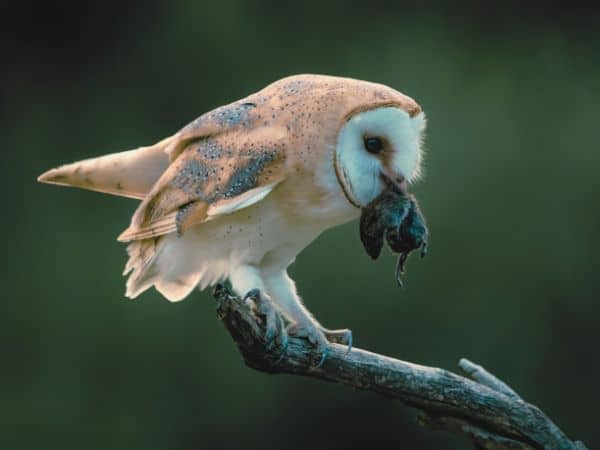
Using sticks, leaves, moss, and a cardboard box base, kids construct a nest. Include in your discussion how owl nests look different depending on the species and their habitat because each habitat has unique resources. This hands-on build will take about 40 minutes.
Learning opportunity: Explores engineering and materials science while fostering understanding of animal habitats and adaptation.
Owl Sound Imitation Game
Listen to owl calls online, then have kids mimic them using their voices or simple instruments like whistles. You can turn this into a guessing game since different owls produce different sounds. Again, probably about 15-20 minutes depending on attention spans.
Learning opportunity: Improves auditory skills and memory; introduces animal communication and nocturnal adaptations.
Scratch Art Owls
I remember doing this activity in school and absolutely loved the bird I made with it. I didn’t make an owl but that would have been perfect with the black and white contrasting colors. We do scratch art in our homeschool occasionally and the boys love it, so be sure to check this one out.
For younger kids use templates, I recommend cutting out the silhouette of an owl and let their imaginations take it from there. Do this for older kids too if needed. 25-45 minutes should be set aside depending on how serious of an art student you have. My oldest can take his art very seriously sometimes (age 7).
Learning opportunity: This owl activity enhances creativity and hand-eye coordination, as well as lead to discussions about camouflage and how owls blend into night skies.

Nighttime Owl Walk
At dusk, take a quiet walk in a park or backyard, listening for hoots. Bring flashlights and binoculars. Check out this post to make a craft binocular with your child. Also, think no more than 20-30 minutes so bedtime isn’t interrupted.
Learning opportunity: Teaches patience and observation while connecting to science concepts like nocturnal vs. diurnal animals.
Read Next: Nocturnal Animal Activities
Owl Feather Painting
Dip feathers in paint to create owl-inspired art on paper. I love the simplicity, albeit messy nature of this activity. It’s also super adaptable for any age so don’t be afraid to include the whole family. Encourage experimenting with patterns for older kiddos while younger ones enjoy the general experimentation. 20-30 minutes is really all this activity will take.
Learning opportunity: This owl activity develops artistic expression and explores texture and how feathers aid silent flight.
Owl Storytime Puppet Show
Make simple owl puppets from socks or paper bags. Then, act out stories from owl books that you’ve read. Approximately 40 minutes should be enough time including reading aloud. I save this one for younger kiddos, although my 7 year old still loves to jump in on the fun.
Learning opportunity: Boosts memory, language, and storytelling skills while encouraging empathy through role-playing animal emotions.

Feather Sorting Activity
Collect or buy feathers; sort by color, size, type. We have collected our feathers over the years. Before having chickens I asked my parents to be on the hunt for feathers whenever they went for walks on their property, while I would keep my eyes open for any feathers at a local park.You can then talk about how feathers are designed optimally for flight, keeping a bird dry, and for owls to camouflage into their surroundings. A sorting activity like this will take a maximum of 15 minutes.
Learning opportunity: Develops classification and sensory skills for younger kiddos while teaching older kids about animal adaptations.
Owl Habitat Diorama
In a shoebox, create a scene with trees, owls, and prey using clay and paper. I love, and so do my boys, building habitat dioramas. The animals can simply be printed and cut out or use toy animals that your child has. My boys collect rocks and twigs, plus leaves and more to add to their dioramas. Felt or paper adds the river or other features. This activity does take longer, 50 minutes.
Learning opportunity: Builds spatial awareness; deepens knowledge of ecosystems and biodiversity.
Owl Yoga Poses
Invent or rename poses to fit the theme, like “owl perch” (balancing on one leg) or “head turn.” 10-20 minutes is perfect depending on the age.
Learning opportunity: Promotes physical health and mindfulness while connecting body movement to owl behaviors.

Owl Journaling
Kids draw or write about imagined owl adventures while including factual information. Do this daily for a week. You can prepare in advance with journaling prompts to get them started each day. Keep these sessions short, such as 10-15 minutes.
Learning opportunity: Enhances writing and reflection while fostering curiosity about wildlife.
Button Owl Collage
Glue buttons to form owl shapes on cardstock or canvas. This can create a very cute picture to hang in a child’s room when finished. Allow them to add their own unique details with markers. Be sure to choose appropriate glue depending on the backdrop you choose and base this on your child’s age. Ultimately, Elmer’s versus Mod Podge and about 30 minutes ought to do it.
Learning opportunity: Improves fine motor precision and can lead to discussions in patterns and symmetry in nature.
Owl Mask Making
Cut masks from cardstock, add invite your child to add eyes and beaks, then decorate with feathers. Add a stick on the side or an elastic band (reinforce the cardstock with tape) for using the mask. Then let your child pretend to be an owl. The mask making can take 25-35 minutes while their imagination play can be hours of fun.
Learning opportunity: Sparks creativity and dramatic play while exploring animal perspectives.
These owl activities for kids are flexible but can be mixed and matched for an entire week of fun and learning. Ultimately, make learning about owls fit your schedule. Best of all, most require minimal prep, making them ideal for busy families.
12 Fun Facts About Owls
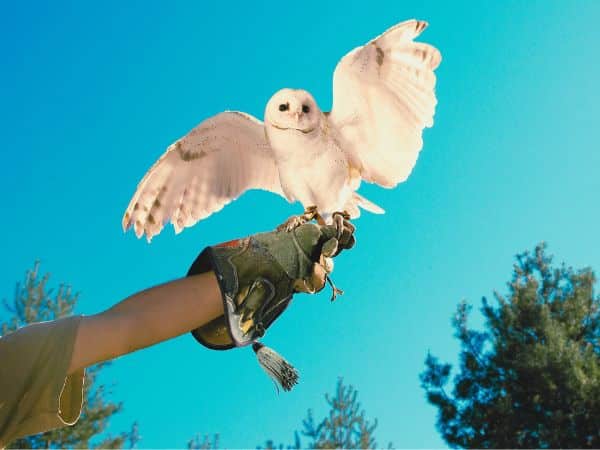
To add some wow-factor to your owl activities for kids, here are 12 fun facts. Share them during crafts or walks for extra engagement!
- There are over 200 species of owls worldwide, from tiny elf owls to massive eagle owls.
- Owls are mostly nocturnal, meaning they’re active at night and sleep during the day.
- A group of owls is called a parliament—how wise does that sound?
- Owls can rotate their heads up to 270 degrees thanks to extra neck vertebrae.
- They have a special blood-pooling system to keep their brains oxygenated during head turns.
- Owls’ claws are called talons, perfect for grabbing prey mid-flight.
- Many owls have feather tufts that look like horns, but they’re not ears!
- Great horned owls can fly up to 40 miles per hour when diving for food.
- Their large eyes are fixed in place, so they must turn their whole head to look around.
- Owls have three eyelids: one for blinking, one for sleeping, and one for cleaning.
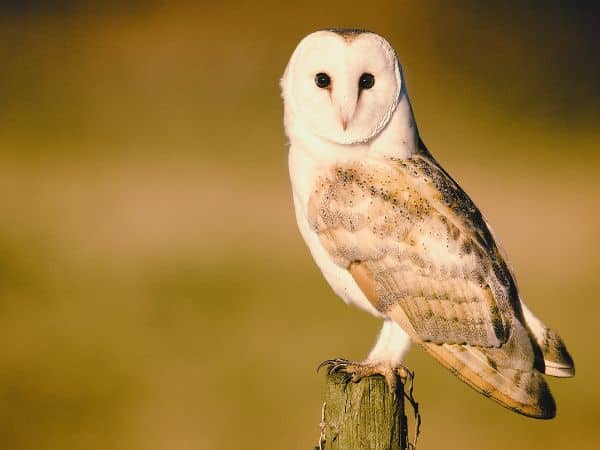
- Barn owls have long legs to hunt in tall grass without getting tangled.
- Not all owls hoot—some screech, whistle, or even bark!
These facts are sure to spark questions and deeper dives into these fascinating creatures of the night.
Hoot-tacular Owl Activities at Your Fingertips
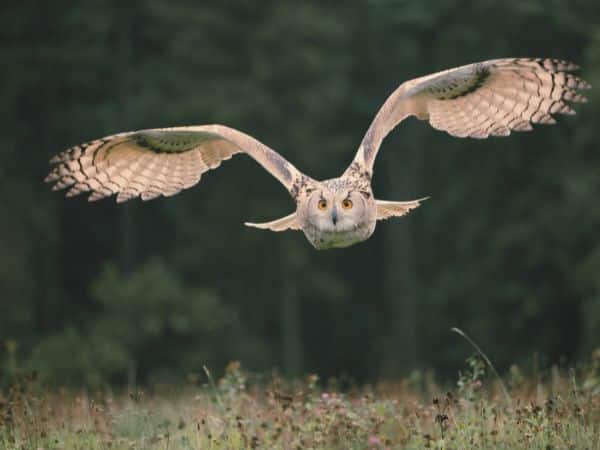
There you have it—15 practical and ready to implement owl activities for kids. From books that ignite imagination to hands-on activities that build skills, and those intriguing facts, exploring owls is a fantastic way to blend fun and learning.
I encourage you to choose a few activities that will engage your child and try them this week—maybe start with a book and a simple craft. You’ll be amazed at how quickly they hoot with excitement! If you have your own owl activity ideas or you plan a weeks worth of lessons, share all of it in the comments. Until next time, keep playing and discovering. Hoo knows what adventures await?
Recent Posts on the Homeschool Blog