TRADITION TO TREND
Exploring the history of quilting through facts, books and activities.
— By Julie Hodos on October 24, 2024; Updated on December 7, 2025.

This post may contain affiliate links. Please refer to our disclosure policy.
Are you looking to dive into something cozy, creative, and full of stories from the past? If so, let’s talk about the history of quilting. Quilting isn’t just about stitching fabric together -it’s a craft that’s wrapped up in human history, from ancient times to today. Here, we’ll explore why quilting is such a fantastic topic to teach kids, take a timeless tour through its history (with plenty of fun facts to share), recommend some awesome books that bring quilts to life, and wrap up with 12 hands-on activities tailored for children of various ages.
Table of Contents

Whether you’re a parent, teacher, or just someone who loves a good blanket fort, this guide will help you introduce quilting in a way that’s engaging and educational. By the end, you’ll have practical ideas to get started, plus tips to make it all smooth sailing. Let’s stitch this adventure together!
Why Teach Kids About Quilting?
Teaching kids about quilting is like giving them a warm hug from history while sparking their imagination and skills. It’s a craft that combines art, math, and storytelling, helping children understand how everyday objects like blankets can carry deep cultural meanings. Plus, in a world full of screens, quilting encourages hands-on creativity that builds patience, focus, and pride in making something from scratch.
One big reason to introduce quilting is its role in developing fine motor skills. For little ones, handling fabric, threading needles (plastic is a great option), or even gluing paper shapes strengthens those tiny muscles needed for writing and other tasks. Older kids can tackle more complex patterns, which sneak in lessons on geometry and symmetry without feeling like homework. It’s practical too -quilting teaches resourcefulness, like reusing old clothes or scraps, which ties into eco-friendly habits. Imagine a child turning a worn-out T-shirt into a cozy patch; that’s a great way to recycle and keep memories.

Quilting also opens doors to family bonding and cultural appreciation. Many families have quilting traditions passed down through generations, making it a perfect way to share stories about grandparents or ancestors. For kids, learning about how quilts were used in history -like secret codes in the Underground Railroad or symbols in Native American designs -fosters empathy and a sense of connection to diverse cultures. It’s not just about the end product; it’s about the process that builds confidence and resilience. When a project doesn’t go perfectly, kids learn that mistakes are part of creating something beautiful, just like in life.
Finally, quilting is endlessly adaptable for different ages and interests. Toddlers can play with fabric textures, school-age kids can design simple blocks, and teens might explore advanced techniques or even sell their creations. It’s a relatively low-cost hobby that can start with household items, making it accessible for everyone. By teaching quilting, you’re not only preserving a timeless craft but also equipping kids with tools for lifelong learning and joy.

The History of Quilting for Kids
Quilting has been around for thousands of years, like a giant patchwork story that connects people across time and places. It’s basically layering fabric with padding and stitching it all together to make something warm and pretty. A great jumping off point to begin a conversation about quilt with your child is by asking them to imagine what their favorite blanket would say if it could talk -what adventures would it share?
Let’s break down the history of quilting:
Ancient Origins: Quilting Before Pyramids and Castles
Way back around 3400 BCE -that’s over 5,000 years ago! -people in ancient Egypt were already quilting. They stitched layers of fabric to make padded clothing and bedding, probably to stay cozy in the desert nights. Archaeologists found a carved ivory figure of a pharaoh wearing a quilted garment, like a fancy royal jacket. This also makes me think of the Bible story about Joseph and the coat of many colors.
In Asia, around the same time, folks in China and India used quilting for armor -soldiers wore padded quilts under their metal plates to protect against arrows. It wasn’t just for warmth; it was practical for survival.

Quilting in Medieval Europe: From Knights to Kings
Fast-forward to the Middle Ages in Europe, around the 1100s during the Crusades. Knights returning from the Middle East brought back ideas for quilted armor, which they wore under chainmail to cushion blows. By the 1300s, quilting became fancy -wealthy people had silk quilts with intricate stitches, like artwork for beds. In Sweden, for example, quilts were made with appliqué (that’s sewing shapes onto fabric) for kings and queens. Kids might like knowing that some quilts were stuffed with wool or feathers, making them super fluffy.
Overall, this era turned quilting from a basic need into a status symbol, but it was mostly done by skilled women in households or guilds. It’s a reminder that quilting has always been a mix of art and everyday life.
Quilting Crosses the Ocean: Arrival in America
When European settlers came to America in the 1600s, they brought quilting with them. English and Dutch colonists made “whole cloth” quilts from big pieces of fabric, often wool or linen, because cotton wasn’t common yet. These early American quilts were simple and warm, perfect for harsh winters in places like Jamestown or Plymouth. For kids, picture pilgrims huddling under quilts during long ship voyages. As colonies grew, quilting bees became popular: groups of women gathered to stitch together, sharing stories and helping each other. This social side made quilting a community endeavor.

Boom Time: Quilting in the 19th Century
The 1800s was when quilting really exploded in America, thanks to the Industrial Revolution. Machines made cotton fabric cheap and colorful, so people started piecing together scraps into patterns like Log Cabin or Nine Patch. These designs were like a geometric puzzle. Friendship quilts became a hit in the 1840s, where friends signed blocks like a group autograph book.
During the Civil War, women quilted for soldiers, sending warm blankets to the front lines. This period also saw “crazy quilts” with wild, asymmetrical patterns using silk and velvet scraps. For young learners, it’s exciting to know quilts could tell stories -some had hidden messages or were made from old clothes to remember loved ones.
African American Quilting Traditions: Stories in Stitches
Quilting has deep roots in African American history, starting with enslaved people in the 1700s and 1800s. On plantations, women used scraps from worn-out clothes to make quilts for warmth, often in secret. These weren’t just blankets; they carried African influences like bold colors and geometric patterns inspired by West African textiles, turning necessity into art. Kids might be fascinated by the legend of quilts in the Underground Railroad -some say patterns like the Wagon Wheel signaled safe houses for escaping slaves, though historians debate this. Today, artists like Faith Ringgold continue this tradition with story quilts that blend fabric and narrative. It’s a powerful way for children to learn about resilience and cultural heritage.

Native American and Other Cultural Influences
Quilting isn’t just European or African -Native American tribes have their own versions. For instance, the Lakota people make “star quilts” with diamond patterns symbolizing the morning star, given as gifts for ceremonies. Hawaiian quilts, starting in the 1800s after missionaries introduced the craft, feature bold, symmetrical appliqué inspired by nature, like breadfruit leaves. These traditions show quilting as a global patchwork. It’s a world map in fabric that highlights how different cultures adapt the same idea.
Modern Quilting: From Tradition to Trend
In the 20th century, quilting went modern. The 1930s Great Depression saw “feed sack” quilts made from printed flour bags -when thrifty was a necessity! The 1970s quilt revival, sparked by the Bicentennial, brought art quilts with abstract designs. Today, with sewing machines, online patterns, and quilting kits, kids can begin easily. Online tutorials abound from experienced quilters. Also, quilting now includes tech, like digital designs, but the heart is the same: creating with care. For children, modern quilting means endless possibilities, from eco-quilts using recycled materials to community projects for charity.
This history of quilting shows it’s more than a hobby -it’s a thread connecting us to the past. By sharing these stories with kids, we help them appreciate how something simple can hold so much meaning.

Books About Quilting: Cozy Reads for Young Minds
Here are some wonderful children’s books that weave quilting into stories. I’ve picked ones that are engaging, with descriptions to help you choose based on age and theme. These make great companions for quilting activities!
- The Patchwork Quilt by Valerie Flournoy, illustrated by Jerry Pinkney: Tanya helps her grandma make a family quilt from scraps. Ages 4-8, focusing on intergenerational bonds. The realistic art captures the joy of creating together.
- The Quilt Story by Tony Johnston, illustrated by Tomie dePaola: A pioneer girl finds comfort in her quilt, which later warms another child in modern times. Suited for ages 4-8, it highlights quilts’ enduring role across eras. The simple narrative and folksy art make history feel relatable.
- The Quiltmaker’s Gift by Jeff Brumbeau, illustrated by Gail de Marcken: This beautifully illustrated picture book tells the story of a generous quiltmaker who only gives her exquisite quilts to the poor and needy. A greedy king, who already owns everything, demands one for himself, but she refuses unless he gives away all his treasures first. Ages 4–10 adore this read. It’s a heartwarming, modern fable about generosity, gratitude, and the true value of handmade gifts.
- Cassie’s Word Quilt by Faith Ringgold: This vibrant picture book follows Cassie as she creates a quilt filled with words and pictures from her life. It’s perfect for ages 4-8, blending art and literacy to show how quilts can tell personal stories. Kids will love the bold illustrations and might be inspired to make their own word-based designs.
- The Keeping Quilt by Patricia Polacco: This heartfelt story traces a family quilt passed down through generations of Russian Jewish immigrants. For ages 4-8, it explores heritage and memory with warm illustrations. It’s ideal for discussing family traditions and the emotional value of quilts.
- The All-Together Quilt by Lizzy Rockwell: Based on a real community project, kids and elders collaborate on a quilt, celebrating diversity. For ages 4-8, it emphasizes teamwork with bright, inclusive drawings. Great for inspiring group activities.
- The Little Ghost Who Was a Quilt by Riel Nason, illustrated by Byron Eggenschwiler: A shy ghost prefers being a quilt instead of a scary sheet, learning to embrace his uniqueness. Aimed at ages 3-7, it’s a gentle tale about self-acceptance with whimsical art. The quilting theme introduces fabric textures in a fun, non-historical way.
- My First Quilt Book with Kit by Winky Cherry: This interactive book comes with materials for kids to sew a simple quilt. For ages 6-10, it includes step-by-step instructions and photos. Practical for hands-on learners, bridging reading and crafting.
- The Medicine Quilt by Kristine Franklin, illustrated by Delphine Pellerin: Inspired by a true story, it follows a town healing through a shared quilt project. Ages 5-9, with themes of forgiveness and community. The fable-like style adds moral lessons with beautiful imagery.
- Sweet Clara and the Freedom Quilt by Deborah Hopkinson, illustrated by James Ransome: Clara stitches a map quilt to guide slaves to freedom. For ages 5-9, it introduces Underground Railroad history sensitively. Powerful for teaching empathy and cleverness.
These books are gateways to the history of quilting, making abstract ideas tangible through stories and pictures.
12 Quilt-Inspired Activities for Kids of Various Ages
Ready to get hands-on? Here are 12 activities that feature quilts, suitable for toddlers to teens. I’ve noted approximate ages, but adapt as needed -these build on the history of quilting while being practical and fun.
- Visit a Local Quilt Shop (Ages 5+): Take a field trip to a quilt store where kids can touch fabrics, see finished quilts, and chat with quilters about their work. Let them pick a small fabric scrap to take home as a souvenir. This low-key outing sparks curiosity without needing supplies at home. Learning Opportunity: Kids learn about quilting materials and community, connecting to historical quilting bees; it builds social skills and appreciation for craftsmanship.
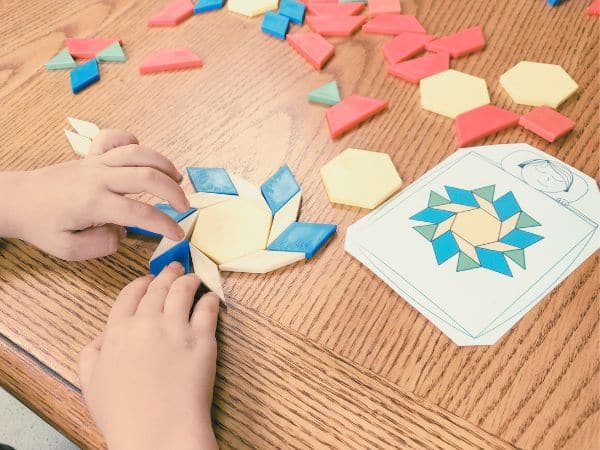
- Tangram Quilt Designs (Ages 4-10): Use printable tangram shapes (or cut from paper) to arrange geometric patterns mimicking quilt blocks like stars or houses. Glue them onto a larger sheet to create a “paper quilt.” Add colors with markers for extra flair. Learning Opportunity: Introduces geometry and spatial reasoning from quilting history, enhancing problem-solving and creativity while tying into ancient pattern-making.
- Basic Hand-Sewing Practice (Ages 6-12): Start with large needles and burlap or felt; teach running stitches by sewing simple lines or shapes on fabric scraps. Progress to attaching buttons or patches. Use kid-safe tools for safety. Learning Opportunity: Develops fine motor skills and patience, echoing medieval quilting techniques; kids gain confidence in basic sewing, it’s also useful for future crafts.
- Paper Piecing Quilt Blocks (Ages 7-13): Print foundation patterns for simple blocks (like a heart or square), then glue colored paper pieces onto them following lines. Frame the finished block as art. No sewing required for beginners. Learning Opportunity: Teaches precision and following patterns, linking to 19th-century pieced quilts; fosters math skills like fractions and symmetry.
- Fabric Collage Quilts (Ages 3-8): Gather fabric scraps, glue, and cardboard; kids layer and stick pieces to make a no-sew “quilt” collage with themes like animals or seasons. Add yarn for “stitching” lines. Learning Opportunity: Explores textures and colors from diverse quilting traditions; builds artistic expression and sensory awareness for young children.
- Quilt Story Time Creation (Ages 5-10): After reading a quilting book, have kids draw or cut pictures to make a story quilt panel on fabric or paper, narrating a personal tale. Staple panels together for a mini book. Learning Opportunity: Combines literacy with history, inspired by African American story quilts; enhances storytelling and emotional intelligence.
- Design Your Own Quilt Pattern (Ages 8-14): Using graph paper, kids sketch a quilt layout with repeating shapes, coloring in blocks. Discuss historical patterns like Log Cabin. Learning Opportunity: Applies math (grids, ratios) to quilting; encourages planning and innovation, mirroring modern quilting trends.
- Make a Fleece Tie Blanket (Ages 5-12): Cut two large flannel squares, snip fringes, and tie together. Start small, like a lap blanket. Learning Opportunity: Teaches the effort and diligence it takes to create a useful item. Practices fine motor skills and tying knots.
- Quilt Math: Measuring and Cutting (Ages 6-11): Use rulers to measure fabric strips, cut safely with scissors, and arrange into strips for a simple sewn or glued mini-project (such as a decorative pillowcase). Learning Opportunity: Reinforces measurement and arithmetic, tied to colonial quilting needs; promotes accuracy and practical life skills.
- Historical Quilt Research Project (Ages 9-15): Kids research a quilting era (such as, Gee’s Bend) online or in books, then create a poster with facts and a drawn or mini quilt sample. Lastly, share the findings with family. Learning Opportunity: Deepens knowledge of quilting history across cultures; develops research, presentation, and critical thinking abilities.
- Group Community Quilt (Ages 5+): In a class or family, each person decorates a fabric square with markers or appliqué; sew or tie them together into one big quilt for donation. Learning Opportunity: Mirrors friendship quilts and social traditions; teaches collaboration, empathy, and the joy of giving back.
- Quilt-Themed Games and Puzzles (Ages 4-9): Create matching games with quilt pattern cards or do jigsaw puzzles of famous quilts. Add a scavenger hunt for fabric types around the house (think fleece, cotton, wool, synthetic). Learning Opportunity: Makes history playful, linking to pattern recognition in quilting; boosts memory, observation, and fun learning.
These activities turn the history of quilting into active play and are scalable for different skill levels.
Read Next: Easy Hand Sewing Crafts

Tips for Success When Quilting with Kids
To make quilting adventures smooth and enjoyable, start small -pick activities that match your child’s attention span and skills to avoid frustration. Always supervise sharp tools like needles or scissors, and use kid-friendly alternatives like plastic needles for beginners. Gather supplies affordably from thrift stores or home scraps to keep it budget-friendly. If your child is old enough to try a sewing machine, ask to borrow or visit a friend’s house to learn on theirs. There is no point in purchasing something for a hobby that a child may find out they don’t enjoy and not stick with it.
Encourage creativity over perfection; praise efforts and let kids experiment with colors and designs. Set up a dedicated space with good lighting to make sessions comfy. If things get messy, remember it’s part of the fun and clean-up is a team effort. Finally, tie back to history gently to spark interest without overwhelming; stories make facts stick.

Stitch Your Own Story
As we tuck in the edges of this exploration into the history of quilting, remember that this craft is more than threads and fabric -it’s a way to connect generations, cultures, and creativity. By sharing these stories, books, and activities with kids, you’re helping them weave their own place in this rich tapestry. Whether it’s a simple paper quilt or a family heirloom in the making, quilting builds skills and memories that last a lifetime. So grab some scraps, gather the little ones, and start stitching -who knows what beautiful patterns you’ll create together?
Leave a comment below sharing your child’s age and their first project to inspire other Momma’s. Happy quilting!
Recent Posts on the Blog