 Skip to content
FAITH, FAMILY, FREEDOM
Why choose to homeschool.
— By Julie Hodos on May 4, 2025; Updated on January 22, 2026.

This post may contain affiliate links. Please refer to our disclosure policy.
Do you want to be a joyful momma, grateful homemaker, and diligent teacher to your children—but most days you’re feeling stuck and frustrated? I get it, I’ve been there, and honestly, I still have those days more often than I’d like to admit. What helps me through these morose times is to revisit why we homeschool. It’s like hitting the reset button on my mindset, reminding me of the bigger picture amid the daily chaos of spilled orange juice, endless laundry, and math meltdowns.
Table of Contents

No matter where you are on your homeschool journey—whether you’re just dipping your toes in, knee-deep in the middle years, or guiding high schoolers toward independence—your “why” matters. After doing my own research into this many years ago and now going on 4 years as a homeschool momma to three energetic boys, I know our why inside and out. I can’t speak for others, but I can share what drives my family to choose homeschool now and forever—the Lord willing. And knowing our why helps me stay a joyful momma, grateful homemaker, and diligent teacher, even when the house looks like a tornado hit it.
Here, I’ll walk you through how to brainstorm and gather your own ideas, dive deep into why my family chooses homeschool and share practical ways to revisit your why regularly. By the end, I hope you’ll feel equipped to craft or refine your own homeschool why, turning those frustrating days into purposeful ones. Let’s make this practical: grab a notebook, your favorite mug of tea or preferred beverage of choice, and let’s get started.
Brainstorm and Gather Ideas
There are many varying reasons to choose to homeschool, and the beauty of it is that no two families’ whys are exactly alike. You should take time—maybe with that cup of coffee in hand—to think about why your family wants to do this crazy, wonderful thing called homeschool, and write your reasons down. And I mean write them all down; turn this into a full-blown brainstorming session! Go beyond that initial event that caused you to consider homeschooling and make sure you’ve explored all the whys. Because if you don’t, your initial why may not be relevant in a couple of years or seem like a good enough reason on those really hard days when everything feels overwhelming.

Basically, come up with a list of reasons by brainstorming and researching. During your research, determine which reasons are relevant to you and yours. Consider my family’s reasons below, but see what other homeschoolers have to say too so that you can gather more reasons why so many families choose to homeschool. Start by setting aside 20-30 minutes of quiet time (nap time, anyone?). Jot down everything that comes to mind: academic flexibility, avoiding bullying, health concerns, travel opportunities, or even just wanting more snuggles and playtime. Don’t judge your ideas —just let them flow.
The initial reason why is important, but it may not be enough on its own. You can probably determine one definite reason why you’ve decided to choose to homeschool. This reason is usually the one that made you consider homeschooling in the first place. Ours occurred when I was teaching and, surprisingly, well before I knew if I even wanted kids.
The local military base’s kids were fed into the high school I was teaching at. I frequently saw military brats come in mid-semester and be placed in the wrong class level for their aptitude. My fiancé was serving in the military at the time, and I knew that I didn’t want this upheaval and indetermination for my children’s education every time we moved. Luckily, my fiancé agreed, and that sparked our homeschool conversation.
Our initial reason no longer applies to our family in the same way. Fast-forward to today, and my husband and I know that we won’t be moving anymore. Not that it isn’t an option, but it won’t be for the military or every couple of years. By others’ viewpoints, we have no reason to continue to homeschool. But that’s where they’re wrong—we have many more reasons now, layers that we’ve built over time through experience and reflection.
I hope my family’s reasons will help you narrow down your why. Because, trust me, on hard days, it’s the only thing that keeps me from calling our local school district and letting them know to expect an addition to their 1st grade, kindergarten, and pre-k classes on the morrow! It also keeps me grounded during the chaos, mess, and fights that wouldn’t be as frequent if the kids were at school all day.
To make this practical, try categorizing your brainstormed list. Group similar ideas together—maybe you’ll see themes like I did in mine: faith, family, and freedom. Or perhaps yours lean toward academics, socialization, or health. Use colored highlighters or sticky notes to organize; it’s a simple way to visualize your priorities.
Another tip: Involve your spouse or partner in this brainstorming. Sit down together after the kids are in bed and share your lists. You might discover overlapping reasons or new ones you hadn’t considered. If you have older kids, even loop them in gently—what do they love about homeschooling? Their input can add depth and make the why feel like a family mission statement.
Why We Choose to Homeschool
During my brainstorming session, I quickly came to the realization that all the reasons I had written down fell under three categories: faith, family, and freedom. I go into finer details below for each of these, sharing not just the big ideas but practical examples from our daily life. These aren’t abstract concepts; they’re the lived realities that make homeschooling work for us.

Faith Is Why We Choose to Homeschool
My husband and I want to pass down not only a love for the Lord but a knowledge of Him as well. Schools separate church and state, which leaves a gap in a child’s education of history. Whether you believe the Bible or not, it is still ancient history, and there are many undeniable facts as to why the stories in the Bible are true and not simply myths. For instance, archaeological findings often align with biblical accounts, like the existence of ancient cities mentioned in scripture.
I grew up in the church. My family rarely missed church on Sundays, my parents were involved in the church, and we always prayed before meals. I was raised to fear, trust, and love the Lord, but I always knew I lacked an understanding of how the Bible fit in with secular history. I know that by teaching history to our sons in homeschool, I can make sure that they have a full understanding of how ancient historical events and people played out on the timeline. We use resources like timeline books that integrate biblical events with world history, making connections that stick. This truly sets them up for having a strong foundation of faith.
We’re able to seamlessly weave God into our daily habits. I understand that history lessons are a very specific reason and something that we could remedy by teaching at home outside of normal school. But providing remediation after 8 hours sitting in classes sounds horrible for my sons. Also, those 8 hours in school I know never include singing hymns, saying prayers, and receiving behavioral corrections that are biblically rooted. Simply put, God is more easily woven into our studies and daily habits since we choose to homeschool.
Practically speaking, our day starts with morning devotions—reading a Bible story, discussing it, and praying together. During science, we marvel at creation and tie it back to God’s design. When conflicts arise (and with three boys, they do!), we pull out verses on kindness and forgiveness. It’s not forced; it’s natural because we’re together all day. If faith is part of your why, try incorporating short, fun activities like Bible memory games or nature walks where you point out God’s handiwork. Over time, this builds a strong spiritual foundation without the separation that public school enforces.
We also avoid influences that contradict our beliefs. In homeschool, I control the curriculum, so we skip or discuss critically any materials that promote worldviews we disagree with. This isn’t about sheltering them forever but equipping them with discernment from a young age. For example, when learning about evolution, we compare it to creationism, encouraging questions and critical thinking rooted in faith.

Family Is Why We Choose to Homeschool
A simple, straightforward reason is that we have more time together. The math isn’t hard to quickly see that by homeschooling, we get more time with our kiddos. A lot more time. But why would we want more time with them? I mean, they wreck the house, fray every last nerve, and in general create havoc. At least my boys do. Why on earth wouldn’t I want to send them to school and experience a daily reprieve?
Because all too soon, these days will be gone. Without becoming too emotional here, I’ll just say that I don’t know where the last 7 years went with my eldest. But what I do know is that we did it together. And the next 11 years will be done together too. Practically, this means family breakfasts without rushing out the door, impromptu picnics when the weather’s nice, and evening game nights that don’t feel squeezed in after homework.
We keep family at the center. It’s no secret that as a child matures, their social development changes. When a child is young, they are very focused on family. Then it becomes about friends, and lastly, their focus turns toward the world. By all means, I want my children’s social development to mature. However, not as rapidly as it does when they go to school. And even as they develop, family should still be at the center.
The best way my husband and I can devise to do this is by having more time together. Instead of sending our kiddos to be with strangers the majority of their day, we can better model this philosophy by being together as a family for the better part of our days, weeks, months, and years.

We spend time together baking muffins, building a backyard fort, tending the chickens, doing dishes, and so much more. These activities reinforce bonds and teach life skills. We also prioritize family meals—breakfast, lunch, and dinner—where we have conversations and enjoy each other’s company. It’s simple, but it keeps communication open and family ties strong.
Sibling friendships. I also can’t deny the fact that by homeschooling, we’re cultivating friendships among brothers. Yes, there are the frequent squabbles, flailing limbs, head bumps, and torrents of tears. But when I notice my oldest son reading a book to one of his younger brothers, my heart melts. Or I see one, then another, and then another go sprinting past the dining room window because they’re all charging the castle (their play fort). I know that these memories are more important than the fickle friendships that come and go in primary school.
In our home, we’ve seen this play out beautifully. The boys have learned to negotiate, share, and support each other through shared lessons and playtime. For instance, my eldest has learned that sharing is more than material items. It’s the sharing of time. His younger brother was having daily meltdowns because no one would play his game. My eldest felt compassion, after a conversation with me, and finally agreed to share how they played with his brother. These experiences foster lifelong sibling relationships that school-separated schedules might dilute.
We also extend this to extended family. Homeschooling allows us to visit grandparents anytime of year or host cousins without school conflicts. It’s about weaving a tight family fabric that withstands life’s changes.
Read Next: Homeschooling with a Baby and Toddler

Freedom Is Why We Choose to Homeschool
The beauty of freedom. Freedom to go at our own pace, pursue interests, and structure schedules is hands down one of the biggest benefits of homeschooling.
First, let’s explore the freedom to go at our own pace. It’s no secret that schools are not equipped to challenge or slow down for individual students. Since we choose to homeschool, my kiddos are able to go at their own pace in each individual topic. My eldest has the attention for stories, so his reading level is at an 8th grade level. On the other hand, we’re slogging through his math. His attention span for equations just isn’t there yet, and that’s fine by me. Based on personal experience, it won’t take him long to learn the math he needs once he’s ready.
On the other hand, my middle kiddo loves math and hates reading lessons. They both have their strong suits and we’re able to cater to that individually while providing extra support in the areas that they struggle.
Also, academics aside, I want my boys to be outside playing rough and getting muddy. By sending them to school, I would deprive them of their natural instinct to be wild and free. If you have boys and are considering homeschool, I urge you to read the book The War Against Boys by Christina Hoff Sommers. This has even more reasons why boys need homeschool over traditional school, like how schools often stifle boys’ energy with too much seat time.
Read Next: The Best Tips for Homeschooling Boys Successfully
Practically, we adjust our schedule based on their energy levels. If math isn’t clicking one day, we switch to outdoor science exploration. This flexibility prevents burnout and keeps learning enjoyable. For resources, check out child-led learning approaches like unschooling elements to incorporate pace freedom.
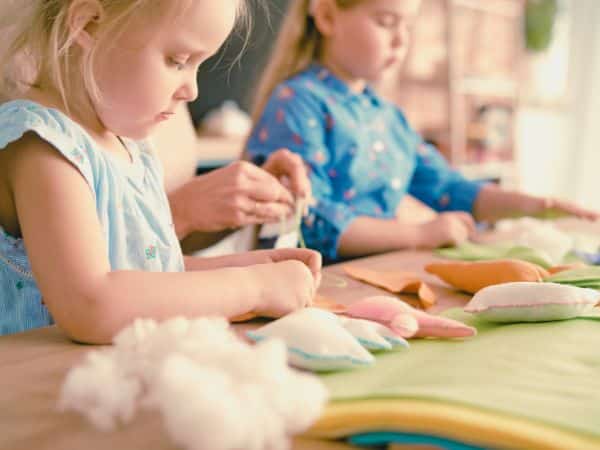
The freedom to pursue interests is important for children discovering their future pursuits. Imagine what you would have done with 6 hours every day when you were a kid, if you hadn’t had to be in school. Well, that’s essentially what many families give their kiddos when they choose to homeschool. Don’t get me wrong, some aren’t only doing lessons for a couple hours every day. When my kiddos are older, we will dedicate more hours a day to lessons, say 4 hours. Can you imagine the other 4 hours and what can be done in that time? That’s 20 hours a week!
By giving them this time, they may discover a passion for woodworking and decide to pursue a job in carpentry. Or they find that cooking is their favorite thing to do, so they pursue culinary school. Maybe they love volunteering at the retirement home and know they want to work with senior citizens. With this kind of freedom, the possibilities are endless.
In our family, my eldest loves reading. He has hours of unstructured time to read, read, read. My middle kiddo loves to play baseball and dribble a basketball. My youngest, he’s only 4 but he loves to be outside “working” with his wheelbarrow and shovel. During these younger years it not only fuels their interests but integrates learning naturally. When they’re older, this time will be beautiful for discovering and pursuing career options and hobbies. To implement this, set aside blocks of time for free exploration—provide materials like art supplies, books, or tools, and let them lead.

Lastly, freedom for flexible schedules. This is a big one for our family, but it may not be exactly what you may think. Yes, we’re able to pack up in the middle of the week, travel a few states away, and see an eclipse that only occurs once every 30 years. But this is actually a small reason for why we choose to homeschool. The freedom that homeschooling offers to attend a big event like this is fantastic, and I certainly love never having to notify anyone that my kiddos won’t be in school because we’re taking a family vacation.
But ultimately, homeschooling allows us to see family. Military life has taken us 14+ hours driving distance away from grandparents, aunts and uncles, and cousins, so when they do visit, they stay 5-7 days. The last thing I want to do is send my kiddos to school all day while they’re here. We can pause lessons or make them light, focusing on quality time like baking with Grandma or playing baseball with Grandpa.
This flexibility extends to health and rest. If someone’s under the weather, we take a slow day without falling behind. Or if it’s a gorgeous spring day, we declare a “nature school” outing. Practically, I use a planner to keep appointments, lessons, practices, visits, and other weekly events organized. As for curriculum pacing I use the reverse planning approach, I swear by this method for unpredictable seasons of life and keeping us progressing forward.
Read Next: Reverse Planning for Your Homeschool

Revisit Your Why
At the beginning of every year, I like to revisit our why with my husband. By doing this, we guarantee our choices are still in line with our priorities. And I am able to remember all the little reasons we homeschool. When necessary, I pick up a book or two to read as well. The post, 18 Books for Homeschooling Moms, dives into the best books about homeschooling and motherhood.
Make this a ritual: Set a date, like New Year’s or the start of your school year, to review your list. Discuss what’s changed—maybe a new baby shifts priorities toward family time. Update your why document and keep it visible, like on the fridge or in your planner. This keeps it fresh and motivating.
Common Challenges and How Your Why Helps Overcome Them
Homeschooling isn’t all sunshine; let’s be real. Here are common hurdles and how a strong why helps:
- Burnout: When you’re exhausted, revisit family time reasons. Take a break to play or go out to a park—remember, that’s why you’re doing this!
- Doubts from Others: Family questions your choice? You don’t owe them an explanation but if you feel comfortable and safe, share your faith or freedom whys calmly. It reminds you of your convictions and can communicate why this is non-negotiable.
- Academic Worries: Kid struggling? Lean on pace freedom and be satisfied with progress, no matter how small. Adjust, and trust the process.
- Socialization Myths: Worried about friends? Family-centered time builds deep bonds where it matters most but seek out other opportunities. Local homeschooling Facebook groups are a great place to begin a search to seek out co-ops or homeschool groups. We find a lot of socialization comes from our church family, Sunday mornings and Wednesday evening services has our boys interacting with similar ages. My husband visits a nearby senior center with the three kiddos about once a month. The boys and residents both love it.
- Financial Strain: Curriculum costs add up? Your why motivates creative solutions, like library resources, swaps, and free resources online.
By tying challenges back to your why, they become manageable stepping stones. And, ultimately, homeschooling is on the rise meaning more resources, opportunities, and solutions are out there. Seek and you will find answers to your problems, it’s a matter of adapting what works for others to work for your family.
Read Next: Overcome Homeschool Mom Burnout

Do You Choose to Homeschool?
No matter where you are on your homeschooling journey, I hope this has been a blessing to you. I encourage you to write down your family’s why and use it to help you through hard days. I know that when we choose to homeschool, we are preserving faith, family, and freedom for our boys’ childhoods. That is what keeps me a joyful momma, grateful homemaker, and diligent teacher. You’ve got this—embrace your why, and watch the joy unfold. Share in the comments below what brought you to choose to homeschool or what makes you consider it. I love to hear other family’s whys!
Recent Posts on the Blog






I love these reminders for ‘whys’ when choosing to homeschool! Thank you! 🙂
I homeschool for faith first then for family. Making faith your #1 priority really simplifies the decision to homeschool since public schools purposely eliminate Christianity.