Skip to content
FROG SOUNDS
How to play leapfrog & make it educational.
— By Julie Hodos on May 24, 2025; Updated on January 14, 2026.
This post may contain affiliate links. Please refer to our disclosure policy.
I don’t know about you, but I absolutely adore those old-school games that take us back to simpler times. You know, the ones where kids didn’t have a screen in their hands or a helicopter parent hovering over every single activity? Back then, children had to get creative, think on their feet, and basically invent their own entertainment to beat boredom. And here’s the magical part: these timeless games still captivate kids from every generation. There’s something so pure and enduring about them—they spark imagination, build physical skills, and create those belly-laugh moments that stick with us forever.
Table of Contents
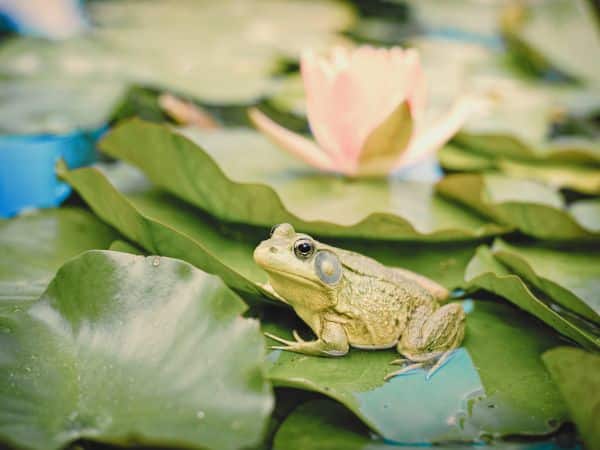
As a homeschooling parent myself, I’ve made it my mission to weave these classic games in whenever possible. Not only do they get my kiddos moving and laughing, but I love sneaking in a bit of learning along the way. It’s like hiding veggies in a smoothie—practical, effective, and oh-so-satisfying when they gobble it up without realizing! Take leapfrog, for example. It’s a staple outdoor (or indoor, if you’re feeling adventurous) game that’s been around for ages. But why stop at just jumping? Today, I’m sharing how to amp it up with a frog-themed educational spin. Your little ones will be hopping like frogs while mimicking their quirky sounds—and trust me, the giggles will be endless.
Here, we’ll dive deep into creating a full frog-focused lesson around leapfrog. I’ll walk you through resources, books, activities, and more, all tailored for preschoolers up to early elementary ages. Whether you’re homeschooling like me, looking for after-school fun, or just wanting to add some play-based learning to your weekends, this is for you. Let’s hop right in!
Why Old-School Games Like Leapfrog Still Rock
Before we get into the frog fun, let’s chat a bit more about why games like leapfrog are such gems. In today’s world, where kids are often glued to tablets or scheduled from dawn to dusk, these simple activities remind us of the joy in unstructured play. Leapfrog, in particular, dates back centuries—it’s even mentioned in old folklore and playground rhymes. It encourages physical coordination, balance, and teamwork without needing any fancy equipment. Just bodies, space, and a willingness to be silly!
From a practical standpoint, as a parent, I appreciate how leapfrog builds gross motor skills. Jumping, crouching, and leaping help with strength and agility, which are crucial for growing bodies. Plus, it’s adaptable—play it in the backyard, at the park, or even in a living room if you clear some furniture. For homeschoolers like me, it’s a goldmine for cross-curricular learning. You can tie it to science (like animal behaviors), math (counting jumps), or even language arts (describing actions).
But the real win? It fosters independence. Kids learn to take turns, communicate rules, and resolve little disputes on their own. In my house, with a preschooler and a 7-year-old both playing leapfrog, they negotiate who goes first, cheer each other on, and collapse in heaps of laughter when someone tumbles. And let’s be honest, in a world full of over-scheduling, giving kids the tools to entertain themselves is a gift that keeps on giving.
Now, imagine layering on an educational theme like frogs. Frogs are perfect because they’re relatable—most kids have seen one in a pond or heard their croaks at night. This twist not only makes the game more engaging but also sneaks in facts about biology, sounds, and nature. It’s friendly, hands-on learning that feels like play, not school. Ready to create that frog lesson? Let’s jump in!
Read Next: Old Outdoor Games for Kids
Creating a Comprehensive Lesson All About Frogs
Before your kiddos start leaping, let’s build some excitement with a full lesson all about frogs. This sets the stage, helping them connect the game to real-world wonders.
Exploring Frog Resources and Mini-Unit Studies
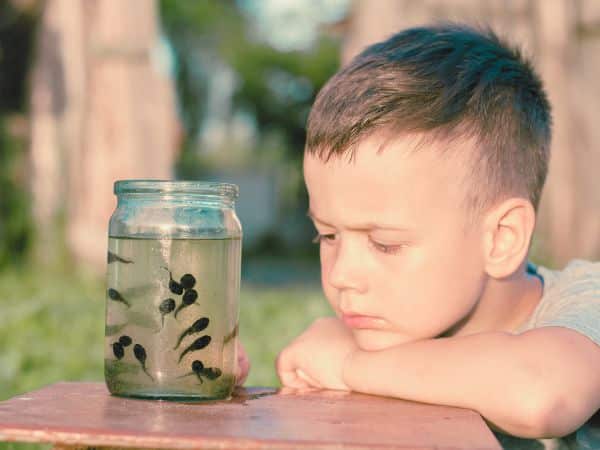
Start with a solid foundation. There are tons of free and affordable resources out there to learn about frogs. One of my favorites is our very own mini-unit study: Ff is for Frog. It’s designed especially for preschoolers and early learners, with a complete book list, activities, and printables. You’ll guide your child through the frog’s life cycle—from egg to tadpole to full-grown frog—and even dive into anatomy basics with a fake dissection kit!
Why start here? It’s structured but flexible. Print out the life cycle worksheet, and have your child sequence the stages using life cycle toys. Then, add in some nature play, like frog hunting at a nearby pond or creek. This unit is practical for busy parents; it takes about 3-5 days if you do one activity per session, but you can do less or stretch it out; it truly adapts to your family’s schedule and dynamics.
If you’re looking to expand, check out online sites like National Geographic Kids for free frog facts. Print frog coloring pages or make a simple lapbook where kids glue facts and drawings. The key is to keep it interactive—ask questions like, “What do you think a frog eats?” or “How does a frog breathe?” This builds curiosity before the physical game.
For older kids, incorporate geography. Frogs live worldwide, from rainforests to deserts. Use a world map printable to mark where different species are found. It’s a sneaky way to introduce continents and climates. And don’t forget art! Have them draw their own frog habitats or build frog habitat dioramas.

Hands-On Activities: Frog Dissection Kit and Beyond
Nothing beats hands-on learning, right? One activity I swear by is the frog dissection kit. It’s rated for ages 6+, but with supervision, I’ve used it successfully with my preschooler. My 7-year-old loves “helping” his little brother, turning it into a family affair. I detailed our experience in a post: Dissect a Frog. It’s got step-by-step tips, safety notes, and how to make it age-appropriate.
Practically speaking, these kits are affordable and come with tools, guides, and more gelatin packets. This way you can dissect a frog multiple times! Start by observing externally—talk about the frog’s skin, eyes, and legs. Then, gently explore inside to see organs like the heart and lungs. Clean-up is easy with gloves and a designated workspace.
Beyond dissection, try these add-ons:
- Frog Life Cycle Craft: Use pasta shapes (eggs: rice, tadpoles: spaghetti, frogs: shells) glued on paper to represent stages.
- Math Integration: Count frog jumps in the game, or graph frog species by size.
- Outdoor Frog Hunt: If weather permits, visit a local pond. Listen for calls and observe behaviors safely. Be sure if you’re in a public area touching the wildlife is allowed. No matter where you are, always be gentle while observing to then release. Read below for more details.
These activities make the frog lessons multisensory, helping different learning styles and adapting for various ages. By the end, your kids will be frog experts, ready to leap into the game!
Frog Hunting
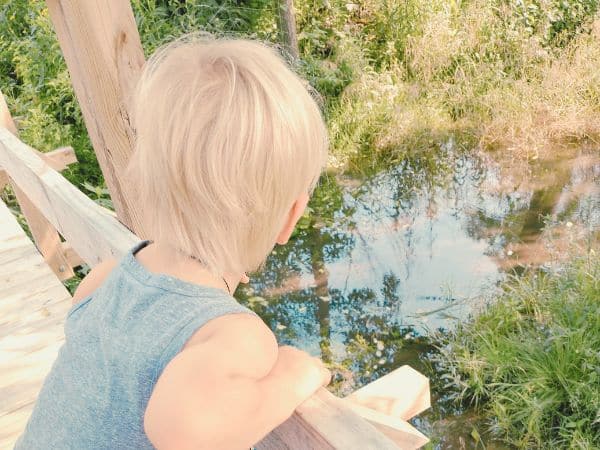
Once your kids are fully hooked on learning all about frogs, there’s no better way to explore frogs than a genuine frog hunt! This is one of our family’s favorite “field trips” that literally starts at the back door. It’s low-cost, super exciting, and turns all that book-learning into real-life “I saw it with my own eyes!” moments. Here are my best tips so your hunt is safe, successful, and scream-free (well, mostly).
- Timing is everything Frogs are nocturnal party animals. The absolute best times are:
- Right after a warm rain in spring or summer (they come out to sing and eat)
- Dusk to about an hour after sunset
- Early morning in late spring when the chorus is warming up. Pro tip: check a local weather radar the night before to see if rain is coming.
- Dress like you mean it
- Old sneakers or water shoes (you WILL get muddy)
- Long pants tucked into socks (ticks and mosquito protection)
- Headlamps or flashlights with RED light mode—frogs don’t spook as easily under red light and it feels like a spy mission
- Bring a grown-up rain jacket; kids think puddles are magnetic.
- Where to look (the frog hot-spots even in suburbia)
- Any ditch, retention pond, or slow-moving creek
- Under porch lights at night (bugs = frog buffet)
- Tall grass or clover patches near water
- Under boards, logs, or upside-down flower pots (gently lift and replace exactly as found)
- The edges of decorative backyard ponds—people are always shocked how many frogs move in!
- Gear that makes kids feel like pros (all under $15 total)
- Clear plastic peanut-butter jar or bug box for temporary “frog motel” viewing
- Cheap aquarium net (the $3 kind from the pet store)
- Small flashlight each (Dollar-store ones are perfect)
- Phone with the free Merlin Sound ID or iNaturalist app – it can identify the frog sound if your frog sings.
- The Golden Rules
- Look with your eyes and ears, touch gently.
- Wet your hands with pond water first if you do gently hold one. Be sure to not overstress your little green friend and release within 30 seconds.
- Quiet ninja feet and whisper voices —then freeze and listen.
- If we move a log or rock, we put it back exactly the way we found it so nobody gets squished.
- Bonus: turn it into a scavenger checklist I print a simple sheet: Hear a banjo-sound, spot a frog actually jumping, find tadpoles with legs, see a frog catch a bug. They go bananas trying to check every box.
You’ll be amazed the variety of species you can find in your own backyard – from tree frogs to bull frogs, they’re most likely there you just have to seek them. It’s pure magic, and the best part? When you get home, they crash hard because fresh air + excitement = perfect bedtime.
So grab those flashlights, promise extra dessert if everyone stays quiet for the first five minutes, and let the hunt begin. You’ll make memories that outlast any video game—and your kids will fall asleep dreaming of ribbits. Happy hunting!
Cool Frog Facts
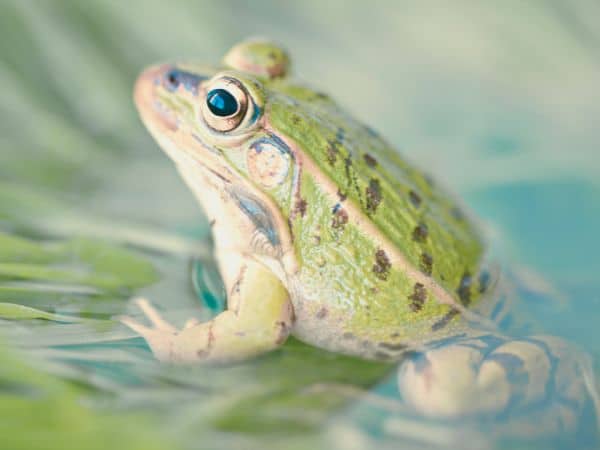
Want to blow their little minds before the first leap? Sprinkle in these wow-worthy frog facts during morning basket.
- A frog’s eyes are so big they can see almost all the way around without turning their head—like having built-in rear-view mirrors!
- Some frogs can jump 20 times their own body length. Use a string to demonstrate how far this is in your yard.
- Frogs don’t drink water with their mouths—they soak it in through their skin like a living sponge. That’s why they love hanging out in damp places.
- The tiniest frog in the world (the Brazilian gold frog) is smaller than a dime, and the biggest (the Goliath frog) is as long as a newborn baby and weighs more than a bag of flour.
- Poison-dart frogs are so brightly colored to warn predators, “Back off—I’m dangerous!” (Great chance to talk about warning colors vs. camouflage.)
- Frogs have been on Earth for over 200 million years—way longer than dinosaurs AND people.
Dive into Books All About Frogs
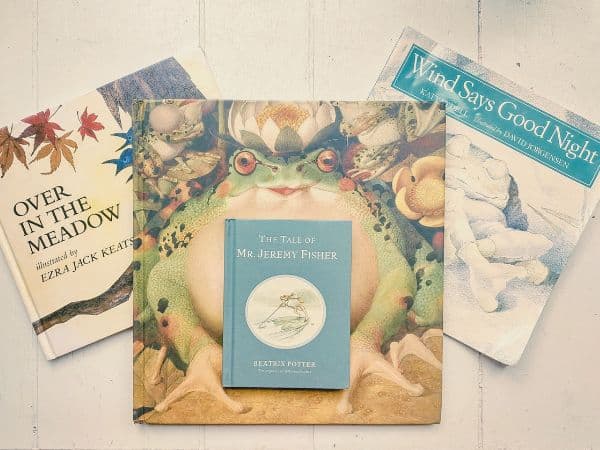
Books are the heart of any good lesson, aren’t they? They spark imagination and provide facts in a story format. Read them aloud, discuss illustrations, and encourage questions.
Frog Song by Brenda Z. Guiberson This book is pure inspiration with it’s symphony of sounds—it’s what kicked off my educational twist of leapfrog! “Frog Song” takes you on a global tour of frog sounds, from the “bonk” of a wood frog to the “peep” of a spring peeper. The illustrations are vibrant, showing frogs in their habitats, which helps kids visualize diversity. Practically, read it before playing. Pause on each page to mimic the sounds together.
All About Frogs by Jim Arnosky For the science buffs, this one’s a winner because it includes a frog life cycle and more. Jim Arnosky covers everything: life cycles, diets (bugs galore!), habitats, and how to identify frog calls. The drawings are detailed yet kid-friendly, with labels for easy learning.
The Tale of Mr. Jeremy Fisher by Beatrix Potter Books with whimsy is a must in our home! Beatrix Potter’s classic follows Mr. Jeremy Fisher, a dapper frog in galoshes, on a fishing mishap. It’s charming, with beautiful watercolors that draw kids in.
Frogs by Gail Gibbons This clear and colorful non-fiction gem is a homeschool favorite for its bright, labeled illustrations and easy-to-follow facts. Kids follow the full life cycle—from eggs to tadpoles to jumping adults—while learning about frog bodies (sticky tongues, strong legs!), habitats, behaviors, hibernation, sounds, and the key differences between frogs and toads. It pairs beautifully with our leapfrog game by showing real frog anatomy and jump facts.
Add these to your morning basket or evening story time to lay a strong foundation for your child’s knowledge and interest in frogs.
Mastering How to Play Leapfrog: Step-by-Step Guide
Alright, the main event! Leapfrog is simple, but let’s break it down for success.
Basic Leapfrog Rules for Beginners
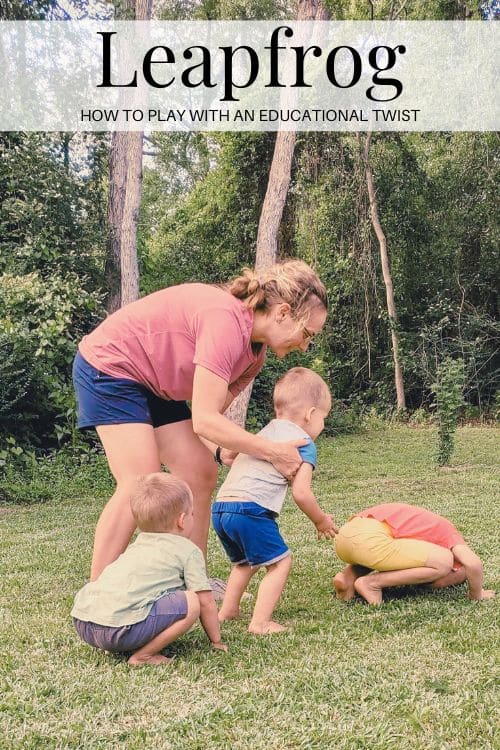
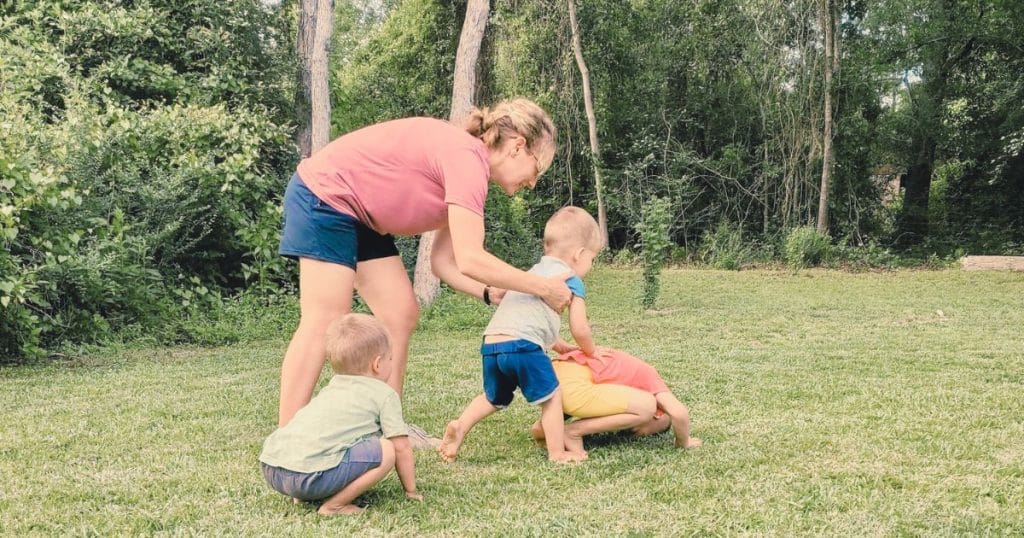
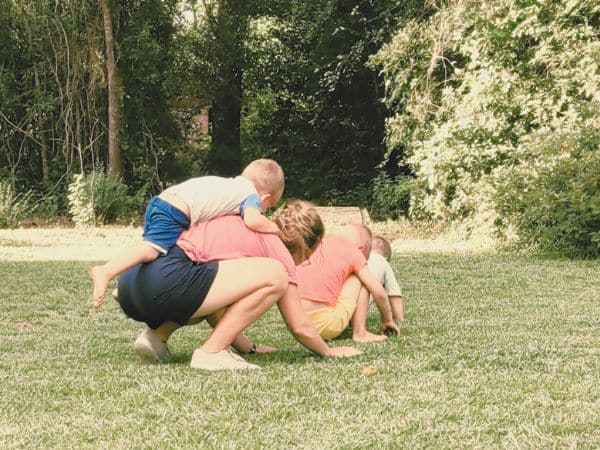
You need at least two players—more is better for energy. Line up in a straight line, everyone crouching low like frogs in a pond. The back player places hands on the next person’s back, vaults over with legs spread (frog-style!), and lands in front, crouching again. Repeat until they reach the front, then the new back player goes.
Tips: Start slow to build confidence. Use a soft surface like grass to avoid bumps. For small groups, go in circles; for large, make teams.
Adding the Educational Twist: Incorporating Frog Sounds
Here’s the magic! As each jumper starts, they pick a frog sound (from our list below) and everyone mimics it during the leap. Or, pair it: jumper and “leapee” croak together. It adds hilarity and reinforces learning.
For littles, choose sounds yourself. My kids keep the sounds going post-lesson because it’s fun! It teaches rhythm, listening, and animal facts subtly.
Tips for Playing Safely and Inclusively
Safety first: No pushing, keep hands gentle. Adapt for abilities—lower crouches for shorter kids. Different ages mean different sizes, my youngest has had to scramble over the back of his big brothers (more giggles) and I’m there to assist him.

The Fascinating World of Frog Sounds
Frogs don’t just “ribbit”—they’re vocal virtuosos! Here’s a list:
- Barks (like a dog, for alarm),
- Beeps (high-pitched alerts),
- Grunts (mating calls),
- Trills (vibrating songs),
- Clucks (short clicks),
- Whistles (piercing notes),
- Croaks (deep throbs),
- Chirps (bird-like peeps), and
- Ribbits (classic calls).
Why these frog sounds? Males croak to attract mates or defend territory; females respond. Frog sounds vary by species and environment—such as, a rainforest frog must trill loudly over water noise.
Teach by demonstrating: Play audio clips or mimic during reading.
Wrapping Up with an Educational Video
To cap it off, even minimal-screen families like mine can benefit from a quick video. There are many out there but here is one YouTube video Frog Noises (search for real frog calls compilation). It’s 2.5 minutes of authentic sounds from various species. Watch together, pause to imitate (if you dare), and discuss similarities to our game.
Bringing Laughter and Learning Home
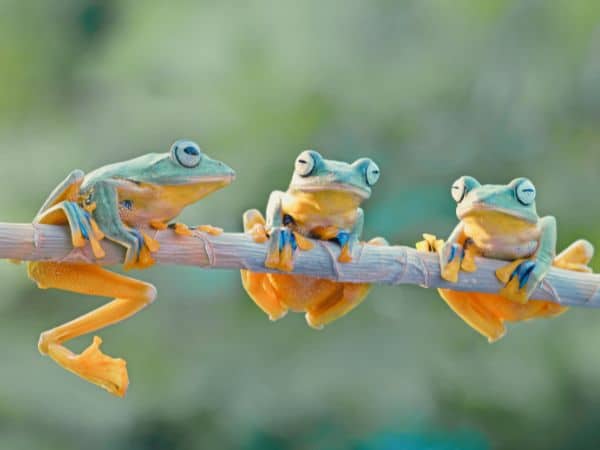
My 3 boys love learning all about frogs. Beyond them being slimy, squishy, jumpy, and just overall fascinating amphibians, they make the coolest noises. This leapfrog lesson blends play, education, and family time seamlessly that I know your family will love too. You’ll hear trills and croaks echoing through your home, with kids giggling and learning without realizing it. Hop below to leave a comment: How many players do you have and what ages? Let’s keep the fun leaping!
How to Play Leapfrog
AT A GLANCE ACTIVITY INSTRUCTIONS
Materials
- Space
Instructions
- If you’ve never played leapfrog then bring your whole family together and line up. If it is just your child and you, you both will still have so much fun!
- The person in the back goes first. Everyone crouches down and the person in the back places their hands on the next person’s back and jumps forward over them.
- They then do this to the next person in line until they reach the front. It then starts over again.
- Extend the activity by teaching your child all about the various sounds a frog makes. You can look the sounds up ahead of time and then replicate them for your child.
- Each time a new person is making their way leaping over everyone, call out a new sound for everyone to make.
- Various sounds frogs make to get you inspired: Barks, beeps, grunts, trills, clucks, whistles, croaks, and ribbits.
Recent Posts on the Blog