
RIBBIT, RIBBIT
Fake frog dissection kit for kids.
— By Julie Hodos on May 21, 2024; Updated on November 10, 2025.

This post may contain affiliate links. Please refer to our disclosure policy.
Does the thought of dissecting a frog make your stomach turn? If it does, you’re not alone—I’ve been there too. But what if I told you there’s a way to dive into the wonders of frog anatomy without any of the yuck factor? Enter the frog dissection kit that’s completely fake, safe, and perfect for little ones. We’re talking about a hands-on adventure that sparks curiosity in kids aged 4 and up, all while keeping things clean, ethical, and endlessly repeatable. And don’t let the learning stop at the kit itself—I’ll share book suggestions, engaging questions to ask your child, and tons of extension ideas to make this a full-blown educational experience.
Table of Contents
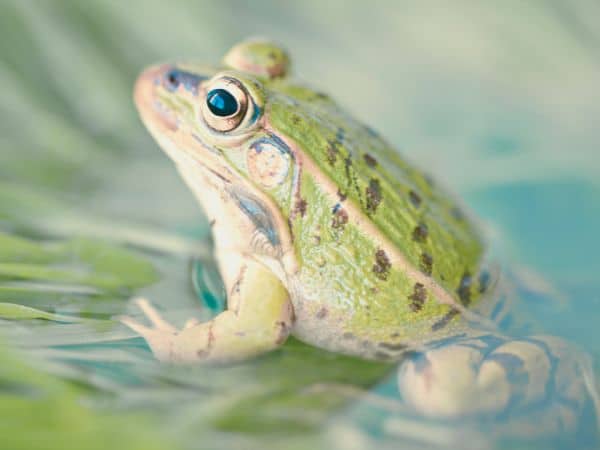
Real dissections? No thanks—that’s messy, smelly, and not exactly enjoyable. But a fake frog dissection kit? It’s a game-changer. It lets your child explore the inner workings of a frog in a way that’s tactile, visual, and super engaging. Plus, it’s a fantastic way to weave in STEM skills early on, building a foundation for future science lovers. In this expanded guide, I’ll walk you through everything: from prepping your little scientist to the actual “dissection” and beyond. We’ll cover why this kit is ideal for young kids, how to set it up, and practical tips to maximize the fun and learning. Let’s hop right in!
Why Choose a Fake Frog Dissection Kit?
Before we get into the nitty-gritty, let’s talk about why a fake frog dissection kit is such a smart choice for all ages. Traditional dissections involve preserved specimens, which can be intimidating and even hazardous for tiny hands. Sharp tools, strong odors, and the ethical concerns of using real animals? Not ideal for elementary aged kids. This kit, on the other hand, uses a clever setup: organs and a skeleton suspended in a green gelatin structure that mimics a frog’s body. It’s life-like enough to feel real but made from durable plastic parts embedded in soft, cuttable gelatin. No mess, no smell, and absolutely no harm to any amphibians—win-win!
From a practical standpoint, this frog dissection kit is designed with young children in mind. The gelatin is soft and forgiving, so your preschooler can poke, prod, and slice without things falling apart. It’s safer than handling real tools or specimens, and the included plastic scalpel and tweezers are kid-sized and blunt-edged. Parents, you’ll appreciate that it’s reusable—two refill gelatin packets come with it, so you can reset and dissect multiple times. This repetition is great for siblings or repeating the fun activity, since most kids learn best through play and revisiting concepts.
Educationally, it’s a powerhouse. the dissection kit (even a fake one) helps kids understand basic biology: body parts, functions, and how living things are structured. It encourages fine motor skills as they manipulate tools, critical thinking as they identify organs, and even empathy as you discuss real frogs in nature. And let’s not forget the wow factor—watching your child’s eyes light up when they discover the heart or lungs is priceless. If you’re homeschooling or simply supplementing your child’s education, this aligns with early learning standards like observing living things and exploring cause and effect. Beyond the basics, it opens doors to discussions about animal adaptations, like how frogs’ moist skin helps them breathe, tying into broader environmental themes.
If you’re ready to grab one, check out the Fake Frog Dissection Kit . It’s affordable, ships quickly, and has rave reviews from parents like you and I. Now, let’s plan out the complete learning about frogs experience.
Build Excitement
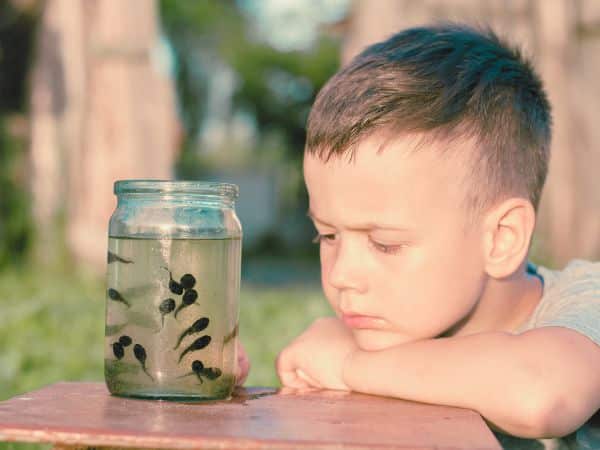
Surprisingly, when it comes down to it, it’s not all about the frog dissection kit itself. To make this a complete and educational lesson, we need to front-load information. That means immersing your child in the fascinating world of frogs before you even open the box. This builds context, vocabulary, and excitement, turning a simple activity into a memorable unit study. Think of it as storytelling before the main event—your preschooler will be more engaged and retain more if they know why frogs are cool.
Play Leapfrog with the whole family, go frog hunting (and catch some real frogs at a local pond), and discover a frog’s life cycle with the free printable and life cycle toys. These activities introduce concepts like habitats and metamorphosis without feeling like “school.” To make it even more interactive, incorporate movement: Have your little one pretend to be a tadpole swimming, then transform into a frog jumping—it’s a kinesthetic way to grasp life cycles.
Books are my go-to for front-loading for multiple reasons. First, they’re super easy to incorporate into a morning basket. Second, reading aloud not only boosts literacy but also sparks discussions. I’ve curated a list of my absolute favorite frog-themed books for kiddos ages 4-9. These aren’t dry textbooks—they’re whimsical, colorful stories that weave in facts about frog habitats, diets, life cycles, and behaviors. Head to your local library or snag them online; many are affordable paperbacks.
Read Next: How to Play Leapfrog and Make it Educational

Top Frog Books for Kids
- Wind Says Goodnight by Katy Rydell: This gentle bedtime story features a frog among nocturnal animals, perfect for discussing frog sounds and nighttime habits. The rhythmic text is soothing, and the illustrations invite pointing and naming.
- The Tale of Mr. Jeremy Fisher by Beatrix Potter: A classic adventure about a frog fisherman. It highlights frog homes near water and their clever ways, with Potter’s charming drawings that preschoolers adore. Use it to talk about what frogs eat (insects, not fish sticks!).
- Frog Song by Brenda Z. Guiberson: This book celebrates the diverse calls of frogs worldwide, with stunning artwork. It’s great for mimicking sounds and learning about biodiversity—frogs aren’t just green and hoppy!
- Over in the Meadow by Arnold Lobel: A sing-along counting book with frogs and other meadow creatures. It reinforces numbers while showing frog families in their natural environment.
- All About Frogs by Jim Arnosky: A simple nonfiction pick with beautiful illustrations. It covers basics like frog anatomy and life cycles in an accessible way, without overwhelming details.
- The Children’s Book of Virtues: Why Frog and Snake Never Play Together by William J. Bennett: This fable teaches a moral lesson through animal characters, sparking talks about friendship and differences in nature.
- Frog and Toad Are Friends by Arnold Lobel: A beloved chapter-style story collection following the gentle adventures of two amphibian best friends. Each short tale highlights friendship, problem-solving, and everyday humor—perfect for building empathy and reading comprehension in bite-sized chunks.
- Growing Frogs by Vivian French: A step-by-step guide to raising tadpoles at home, illustrated with clear photos and simple text. It walks through the entire life cycle from egg to froglet, making it an ideal companion to the frog dissection kit for real-world application.
- Jump, Frog, Jump! by Robert Kalan: A repetitive, cumulative tale that builds suspense as a frog escapes danger. The rhythmic language encourages participation—kids love shouting “Jump, frog, jump!”—while reinforcing sequencing and prediction skills.
- The Wide-Mouthed Frog by Keith Faulkner: A hilarious pop-up book where a curious frog asks other animals what they eat, only to get a big surprise. The interactive format and bold illustrations make it a laugh-out-loud favorite that subtly introduces food chains.

Hands-On Exploration Dissection Kit
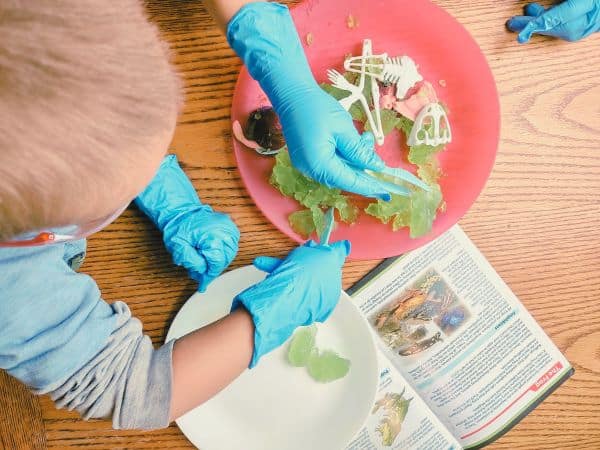
Now for the main event—the dissection! Even though this frog dissection kit is fake and safe, I love making it feel like a real science lab. It adds to the excitement and teaches lab etiquette early. All three of my boys want to cut in and explore so we make sure to take turns. Each gets a chance to cut out one more organ or bone structure. It’s always great excitement when they pull out a well-known organ, like the brain or heart. Otherwise, we take time to discuss what the organ does for the frog before continuing.
Setting the Stage
Gather your supplies: the kit, a couple of plates (one for gelatin scraps, one for examining parts), and optional extras like disposable gloves and safety glasses. I swear by these kid-sized safety glasses—they come in fun colors and fit even toddlers. Spread out a washable tablecloth or newspaper for easy cleanup, though the gelatin is non-staining.
Sit with your child at a well-lit table. Explain that scientists wear gear to stay safe, even for fun experiments. Hand over the plastic scalpel and tweezers—these are blunt but let them feel like pros. Open the kit: the gelatin frog is ready to go, with organs visible through the semi-transparent skin.
Cutting In and Discovering
Reference the included dissection kit guide booklet—it’s full of information with diagrams and facts. But don’t read it like a script; keep it conversational. Let your child lead: “What do you think we’ll find inside?” As they cut through the gelatin (it’s soft like Jell-O), encourage them to describe textures and colors.
The kit’s highlights include separating the skull to reveal the brain, pulling out ribs, heart, lungs, stomach, and more. Everything’s durable plastic, so no worries about breakage. Engage by asking open-ended questions—these prompt thinking and connect frog anatomy to human bodies. Here are some starters, with simple answers to guide you:
- What does the skeleton do? It provides structure for the body and protects important organs, like a built-in armor.
- The frog has a heart—do we have one? What does it do? Yes, we do! It pumps blood throughout our bodies, delivering oxygen and nutrients.
- A frog has lungs—do we? How do we use them? We sure do, for breathing air. Frogs use lungs on land, but they can also absorb oxygen through their skin underwater—that’s why they’re amphibians!
- Where is the frog’s brain, and what shape is it? It’s in the head, and part of it fits between the eyes, like a small, elongated blob.
- Does our brain fit between our eyes? Nope, ours is larger and rounder, sitting behind our forehead.
Expand with more questions: “What do you think the stomach is for? (Digests food.) How many legs does the frog have? (Four—two for jumping!) What color is the heart? (Usually red—why do you think that is?)” If they guess wrong, gently correct with enthusiasm: “Close! Actually, it’s the lungs that help with breathing.” Add sensory prompts: “Does the gelatin feel slimy like a real frog’s skin?”
Snap photos of their discoveries to revisit later. The whole process takes 20-45 minutes, depending on your child’s pace.

Extending the Learning
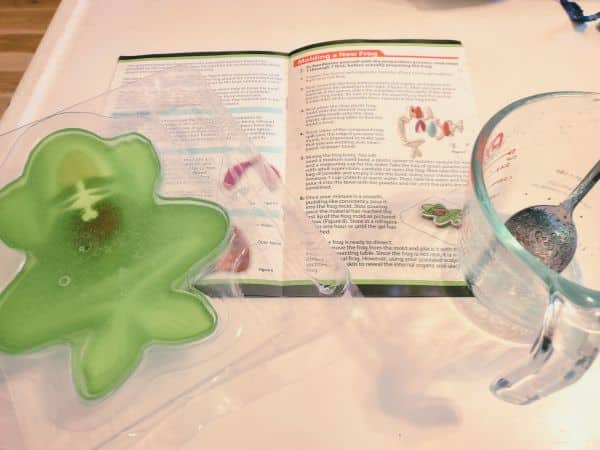
Whew, you’ve “dissected” the frog—now what? Don’t stop there! Extend the learning to reinforce concepts and keep the momentum going. This is where the frog dissection kit’s refill packets shine; remake the frog and dissect again for review.
First, clean up: Rinse parts, let them dry, and follow the kit’s instructions to pour new gelatin. Involve your child—they’ll love mixing and molding. It’s a practical lesson in following steps and chemical reactions.
Head outdoors for real-world connections. Visit a local nature preserve or pond to frog-hunt. Look for tadpoles in spring or listen for croaks. If weather’s iffy, raise frogs at home with a tadpole kit—it’s a commitment (about 2-3 months), but watching metamorphosis is magical. Start small: Buy tadpoles online or from a pet store, set up a simple aquarium, and track changes weekly. Journal the process with drawings and notes for a personalized science log.
Indoors, queue up educational videos. YouTube has gems like “Frog Life Cycle” animations or National Geographic clips on frog sounds. Draw life cycle wheels, or create a frog habitat diorama with a shoebox. Play frog-themed games like “Leap Frog” tag or board games such as “Froggy Boogie.” For literacy, write a simple story: “If I Were a Frog…”
Discuss broader themes: Why protect frogs? (They eat pests and indicate healthy ecosystems.) Tie in environmental awareness—talk about pollution’s impact on amphibians. Simple actions like avoiding litter near water bodies can be empowering lessons.

Additional Frog Activities
To keep the frog fun rolling, here are five more easy, at-home activities with step-by-step descriptions. Each takes 15-30 minutes and uses common household items, perfect for extending your frog dissection kit adventure.
- Frog Sound Matching Game: Record or download different frog calls on your phone. Play them and have your child match to printed pictures of frog species. This builds auditory skills and highlights diversity—did you know some frogs sound like birds?
- Leap Frog Measurement: Mark distances on the floor with tape and challenge your child to jump like a frog. Measure jumps with a ruler or blocks. It introduces math concepts like length and comparison while burning energy.
- Frog Habitat Collage: Gather magazines, glue, and paper. Cut out images of ponds, insects, and plants to create a collage. Talk about what frogs need to survive—water, food, shelter. It’s artistic and educational.
- Frog Yoga Poses: Guide your child through poses mimicking frogs: squat for “frog pose,” stretch arms for “tadpole swim.” Use online kid yoga videos for frogs. It promotes physical health and body awareness, connecting to frog movements.
These activities are flexible—adapt for sibling participation or solo time.

Exploring Different Types of Frogs
One of the coolest ways to stretch your frog dissection kit adventure is by introducing your child to the incredible variety of frogs hopping around the world. Not all frogs are the same—some live in trees, some burrow underground, and a few even glide through the air! Sharing these differences keeps the excitement alive after the dissection and helps kids understand that the frog in their kit is just one example of thousands of species. Plus, it’s a great way to teach biodiversity.
Here are five kid-friendly frog types to spotlight, each with a simple description, fun fact, and easy tie-in activity:
Tree Frogs
What they are: Small, colorful frogs with sticky toe pads for climbing trees and plants. Think bright green or red! Fun fact: Some tree frogs change color like a chameleon to hide from predators.
Bullfrogs
What they are: Big, loud frogs that live near ponds and lakes; they’re the deep-voiced “ribbit” you hear in cartoons. Fun fact: A bullfrog can jump 10 times its body length—superhero status!
Poison Dart Frogs
What they are: Tiny, jewel-colored frogs from rainforests; their bright skin warns predators they’re toxic. Fun fact: Indigenous people once used their skin secretions on blow darts (hence the name).
Burrowing Frogs
What they are: Chubby frogs that dig backward into soil to stay cool and moist; some sleep underground for months! Fun fact: They have a hard “spade” on their back feet for digging.
Flying (or Gliding) Frogs
What they are: Tree frogs with extra-large, webbed feet that act like parachutes when they leap from branches. Fun fact: Wallace’s flying frog can glide up to 50 feet—almost the length of a school bus!

Fascinating Facts About Frogs
Frogs are full of surprises! Sharing these tidbits during or after your frog dissection kit session can wow your preschooler and deepen appreciation. Here are some fun, kid-friendly facts:
- Frogs don’t drink water—they absorb it through their skin! That’s why they need moist environments.
- The world’s smallest frog is the size of a dime, while the largest can weigh as much as a cat—imagine dissecting one that big (fake, of course)!
- Frogs have been around for over 200 million years, outliving dinosaurs. They’re ancient survivors!
- Some frogs can jump 20 times their body length—that’s like you leaping over a school bus.
- Frogs “sing” to attract mates; each species has a unique call, like a frog orchestra in the wild.
- In cold climates, wood frogs freeze solid in winter and thaw in spring—nature’s superheroes!
- There are over 7,000 frog species, in every color imaginable, from bright red to camouflaged green.
The Educational Benefits and Parent Tips
Diving into a frog dissection kit isn’t just fun—it’s packed with benefits. Cognitively, it builds vocabulary (heart, lungs, skeleton) and classification skills. Physically, it hones fine motor control. Socially, it encourages questioning and sharing. Emotionally, it boosts confidence: “I dissected a frog!” Long-term, it fosters a love for nature and inquiry-based learning, setting kids up for school success.
Practical tips from my experience:
- Supervise closely—even fake, tools need guidance.
- Track progress: Note what they learned in a journal.
- Budget: The kit’s under $20; add books for $10-15.
- Time it right: Do the dissection when your child is rested and curious, not rushed.
- Integrate tech: Use apps like frog identification guides for virtual field trips.
- Safety first: Even with blunt tools, teach proper handling to build good habits.
My kiddos each find curiosity and learning at their own level. The books introduce facts and characteristics about frogs in an engaging way. Older siblings can label organs and journal a frog’s life cycle. Littles are guided in their exploration and love absorbing all the fascinating facts.
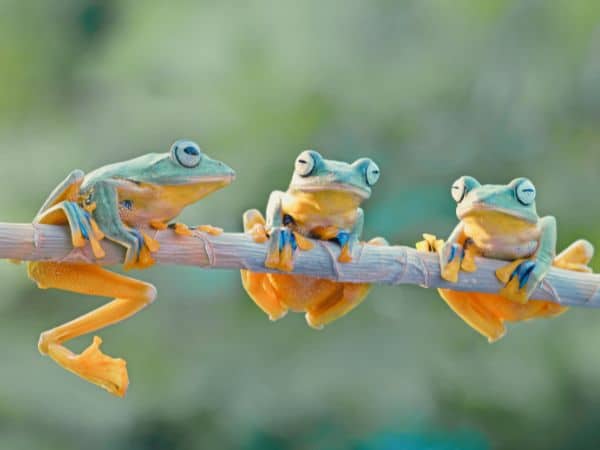
Hop Into Frog Fun!
From frog books to the frog dissection kit and beyond, these resources offer kiddos a chance to step into the amphibian world and uncover its secrets. Don’t let age deter you—with supervision, this is an exciting, age-appropriate science adventure no matter the school-age your child is. It encourages curiosity about these fascinating creatures, from their croaky calls to clever adaptations.
If your child enjoyed this, leave a comment below! Share questions you asked, tips, or how it went. This activity is part of our Ff is for Frog week in our free 26-week preschool curriculum. Check it out because it’s entirely free, with printables, lessons, and more.
Frog Dissection Activity
AT A GLANCE ACTIVITY INSTRUCTIONS
Materials
- Fake frog dissection kit
*Goggles or safety glasses
*Gloves
Instructions
- Set up a workstation with safety glasses and gloves.
- Follow the instructions given by the dissection kit.
- Dissection kits usually come with reading material which will be handy for you to reference while your child is dissecting.
- Allow your child to explore the innards and be present with them to help name the body parts as they encounter them.
- Ask questions as your child dissects.
- Once your child has finished dissecting you can replace the body parts and use the extra packets of gelatin to “remake” the frog and do it all over again!
Recent Posts on the Blog