
HOME LEARNING STYLES
The different types of homeschool.
— By Julie Hodos on May 25, 2024; Updated on November 16, 2025.

This post may contain affiliate links. Please refer to our disclosure policy.
The number of families homeschooling is on the rise, and it’s no surprise why. With the flexibility to tailor education to your child’s unique needs, more parents are opting out of traditional schooling. As of 2025, estimates show that around 3.7 million school-aged children in the U.S. are being homeschooled, representing about 6.73% of the total student population.
The surge has led to a vibrant array of homeschooling methods and styles emerging over the years. After all, every family is different—your goals, mindset, and lifestyle shape how you approach education at home. It’s no wonder that the types of homeschool out there are as unique as the families practicing them.
Table of Contents
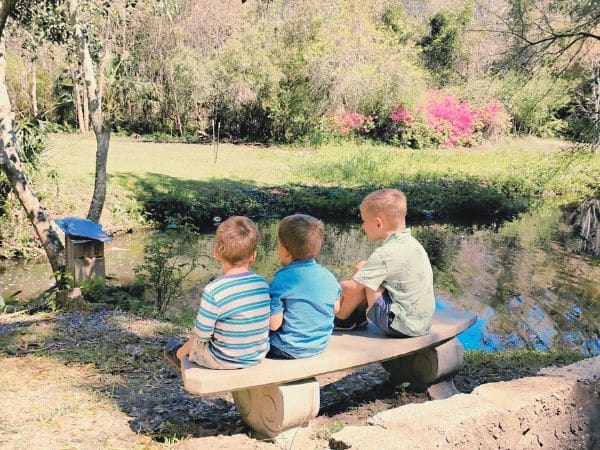
Whether you’re new to homeschooling or a seasoned pro looking to tweak your approach, understanding these various types of homeschool can be a game-changer. It helps you craft an educational experience that’s not just effective but also enjoyable for everyone involved. In this post, we’ll dive deep into the different methods, exploring their core ideas, practical tips for implementation, pros and cons, and even some real-life examples. By the end, you’ll have a clearer picture of what might work best for your family. Let’s get started on this exciting journey!
Why Knowing the Types of Homeschool Learning is Important
Figuring out your preferred type of homeschool isn’t just about picking a label—it’s about building a foundation that aligns with your family’s rhythm. Knowing your method can guide you in selecting the right curriculum, planning your daily schedules, and finding endless inspiration along the way. Often, it stems from your “why”—that core reason you’re homeschooling in the first place. Are you seeking more family time, academic acceleration, or a faith-centered education? Your why acts as a compass, pointing you toward the styles that resonate most.
Moreover, exploring the types of homeschool allows you to mix and match elements. You don’t have to commit to one rigidly; instead, you can borrow the best parts from several to create a hybrid that fits your life. For instance, if you’re juggling multiple kids or a busy work schedule, knowing about structured methods versus more relaxed ones can help you adapt without feeling overwhelmed. It’s all about practicality—making homeschooling sustainable and fun, rather than a source of stress.
In my own experience, when I first started homeschooling, I felt lost among all the options. But once I identified my why (fostering creativity, instilling excellence, and family bonds), it became easier to sift through the types of homeschool and pick what clicked. And remember, your preferred method can evolve. What works during the toddler years might shift as your kids hit middle school. The key is staying flexible and regularly checking in with your family’s changing needs.
Even as my own boys transition in the early years of elementary there is a certain evolution that transpires. My preschooler’s lessons are different from my second graders. Do the styles overlap? Yes, but the homeschool style of learning does gradually shift to reflect a heavier focus on rigor in core academics, with less time devoted to the arts. My hope is that as they grow more independent in their studies that we can balance these out. You can see, I already plan to stay flexible to meet our priorities!

Priorities of Your Family
Your family’s priorities are the heartbeat of your homeschool journey, directly tied to that all-important “why.” Maybe you’re homeschooling to keep faith at the center, emphasizing God in every lesson. Or perhaps your focus is on strengthening family relationships through shared learning experiences. Some families aim for academic excellence, like helping a child graduate high school by age 16. Whatever it is, pinpointing these priorities helps narrow down the types of homeschool that align best.
For example, if spiritual growth is key, methods like Charlotte Mason or Classical might appeal because they often incorporate timeless literature and values-based discussions. If family bonding tops your list, look into Unit Studies or Hygge, which encourage everyone to learn together in a cozy, collaborative way. Practically speaking, jot down your top three priorities on a notepad and revisit them once or twice a year. This simple habit keeps your homeschool focused and prevents drift into methods that don’t serve your goals. You might even turn it into a family meeting over hot cocoa—discuss what’s working, what’s not, and adjust together. This not only refines your approach but also models decision-making for your kids.

Family’s Needs
Beyond priorities, consider your family’s practical needs—the day-to-day realities that influence which types of homeschool will help your family thrive. How many children are you teaching? What’s your home setup like? Do you have a packed schedule with work or extracurriculars? Some methods shine with large families, offering structure that keeps everyone on track and lessons that adapt for each age, while others are ideal for smaller groups where individualized attention is easier.
If you’re in a busy season, like with a new baby or job demands, a flexible method like Unschooling or Online Learning might be a lifesaver. But if your kids thrive on routine, Traditional or Waldorf could provide the stability they need. The beauty is that you can switch gears temporarily. I’ve known families who use Roadschooling during summer travels but revert to Classical during the school year. Assess your needs seasonally—maybe over coffee with your spouse—and adjust accordingly.
Your homeschool style isn’t a one-size-fits-all; it’s about what works for your family to thrive in the season of life you’re in. To make this even more practical, create a quick “needs checklist”: space available, time per day, child ages, learning styles, and budget. Take the types of homeschool that appeal to your and rate them against this checklist.

Disclosure: Flexibility Is Key
Here’s a friendly reminder: Just because a method resonates doesn’t mean you have to master every detail or follow it to the letter. Homeschooling is forgiving that way. For example, Charlotte Mason’s philosophy spans six volumes, but you don’t need to read them all to get started. Plenty of online resources condense her ideas into bite-sized, applicable tips. The same goes for other types of homeschool—dip in as deep as you want.
I’ve included book recommendations for the types of homeschool I’ve personally read and loved, but feel free to start with summaries or podcasts – check out the complete book list at the link below. The goal is inspiration, not perfection. And if a homeschool method doesn’t fit perfectly? Tweak it! That’s the essence of Eclectic homeschooling, which many families (including mine) end up embracing. Think of these methods as a buffet—you take a scoop of this, a dollop of that, and skip what doesn’t appeal. This mindset creates the opportunity to embrace each subject differently, frees you from guilt, and lets you enjoy the process.
Without further ado, let’s explore the different types of homeschool in detail. I’ll break each down with key features, pros, cons, implementation tips, and more to make it practical for you.
Read Next: 18 Books for the Homeschooling Mom

Types of Homeschool Learning Explained
Charlotte Mason
Home Education by Charlotte Mason
The Charlotte Mason homeschool method focuses on living books, narration, and nature study to create a rich, habit-forming educational life. Children retell lessons in their own words and spend hours outdoors observing and journaling the natural world. It emphasizes short lessons, good habits, and literature over textbooks for deeper engagement.
Key principles: short lessons to keep kids engaged (15-20 minutes for young ones), narration where children retell what they’ve learned to solidify knowledge, and daily nature study. Families often keep nature journals, sketching birds or plants observed during outdoor time. It’s gentle yet rigorous, challenging kids to think deeply without rote drills.
Pros: Fosters a love of learning and curiosity; promotes character development through habits; flexible and adaptable for various ages. It’s great for building vocabulary and descriptive skills via narration, which beats multiple-choice tests hands-down.
Cons: Requires significant parent involvement for reading aloud and outings; can be time-intensive with daily nature walks; might feel too unstructured for families needing strict accountability.
How to get started: Begin with a few living books on topics your kids love, think classics like Heidi or The Secret Garden. Schedule 1-2 hours outdoors daily, even if it’s just a backyard stroll. Join online Charlotte Mason communities for free resources. For a practical twist, incorporate narration after story time: “Tell me what happened in your own words.”
In practice, one family I know uses this method for history and literature but adds math workbooks for structure. It’s versatile! Another tip: Start a “habit of the month” like attentiveness during read-alouds to ease into the discipline aspect without overwhelm.
Read Next: 36+ of the Best Read Alouds for Kids

Classical Model
The Well-Trained Mind by Susan Wise Bauer
The Classical model teaches through the trivium stages—grammar for facts, dialectic for logic, and rhetoric for expression—using great books and dense content. It trains critical thinking over rote knowledge, often including Latin and Socratic discussions. Lessons resemble traditional schooling but with historical and literature depth.
Key features: This method is content-rich, often mirroring traditional school lessons but with more depth.
Pros: Builds strong analytical and communication skills; prepares kids for higher education; connects subjects historically for a big-picture view.
Cons: Can be intense and overwhelming, especially memorization-heavy early on; requires dedicated teaching time; may not suit creative or kinesthetic learners without adaptations.
How to get started: Use The Well-Trained Mind as your guide. Start with grammar-stage basics like phonics and math facts. Join a Classical Conversations co-op for community support—they’re available in every U.S. state. Practically, set aside time for Socratic discussions in older kids to practice dialectic skills.
I’ve seen families thrive with this by incorporating field trips to historical sites, blending rigor with real-world application.

Hygge Method
The Lifegiving Home by Sally Clarkson and Sarah Clarkson
The Hygge method creates a warm, comforting home atmosphere to make learning joyful and natural. It prioritizes togetherness with activities like baking while reading poetry, focusing on happiness over strict curriculum. Content follows daily life interests, similar to unschooling but with a heavy focus on a cozy setting.
Key features: Background classical music, baking as math lessons, poetry readings by candlelight. Content is interest-led, similar to unschooling, integrated into daily life like cooking, art, handicrafts, and more.
Pros: Builds strong family bonds; reduces stress with a relaxed vibe; encourages creativity in everyday pursuits.
Cons: Lacks structure, which might lead to gaps in core subjects; depends on parent’s ability to maintain the atmosphere; not ideal for high-stakes testing prep.
How to get started: Set up a cozy corner with pillows, books, and art supplies. Incorporate hygge elements like tea time for discussions. Choose curricula that feel joyful, like nature-based units. Practically, start small—play soft music during read-alouds and see how it transforms your days.
This method is perfect for winter months when you want to hunker down and learn snugly. Extend it year-round by theming seasons—fresh flowers in spring for botany talks, campfires in fall for storytelling.

Montessori Method
The Montessori Toddler by Simone Davies
The Montessori method prepares environments for child-led discovery, emphasizing practical life skills and sensory exploration. Parents observe and allow independence, intervening only for poor habits, with no fixed lesson plans. It views learning as natural, using real tools and routines to build self-discipline.
Key principles: Prepared environments with child-sized tools; observation over direct instruction; focus on routine, curiosity, and chores like folding laundry as learning.
Pros: Promotes independence and confidence; respects child’s pace; integrates real-life skills early.
Cons: Requires specific materials (which can be pricey); less emphasis on group learning; fades in popularity for teens.
How to get started: Curate shelves with sensory bins, puzzles, and practical items. Observe your child and intervene only for bad habits. No rigid plans—offer choices like a “buffet” of activities. Practically, start with simple tasks like pouring water to build fine motor skills.
Families often mix this with other methods for older kids, primarily only using it for foundational years. You can also DIY many materials with household items to keep costs down, like rice trays for writing practice.

Online/Distance Learning
Online and distance learning use internet programs or virtual teachers for lessons, assignments, and feedback. It offers animations, instant results, and advanced courses with minimal parent involvement. This method suits busy families, large families, or those needing to outsource some or all of their child’s education.
Key features: Online programs with animations and instant feedback; distance learning with virtual teachers, assignments, and AP courses.
Pros: Flexible for busy parents; motivates with interactive elements; caters to individual needs with minimal oversight.
Cons: Screen time can be high; less hands-on; not always an accurate measurement of your child’s progress or mastery; requires reliable internet.
How to get started: Explore platforms like Khan Academy or Outschool. Set a daily login schedule. Practically, use it for tough subjects or subjects you find difficult to motivate your child in, while handling others offline.
Ideal if you work full-time but want to homeschool. Balance screens with offline extensions, like building models after virtual physics lessons or practicing place value in math with physical cubes after the online lesson.

Roadschooling/Carschooling
Roadschooling teaches through travel experiences, exploring landmarks and reading for pleasure on the go. Math might be scheduled formally, but most learning comes from real-world adventures. Families may roadschool full-time, seasonally, or just for short trips.
Key features: Learning multiple subjects through landmarks and shared family experiences, reading on the go, scheduled math amid adventures. Can be short-term or full-time.
Pros: Builds real-world knowledge; exciting and memorable; flexible for nomadic families.
Cons: Disruptive to routines; may be difficult to track progress in the younger years; weather or logistics issues.
How to get started: Plan trips around educational sites. Pack portable workbooks. Practically, journal daily experiences to tie back to subjects. Narration can help in the younger years. Plan audiobooks, as well as lesson plans around sites, landmarks, and destinations.
My childhood road trips taught me more history and geography than any class!

Traditional Schooling
Traditional homeschooling replicates classroom structure with textbooks, workbooks, and a Monday-Friday schedule. Parents act as teachers using grade-level curricula without creative deviations. It promotes independence and easy progress tracking for larger families.
Key features: Textbooks, workbooks, structured lesson plans. Monday through Friday school days are also recognized. As well as, grade-level-appropriate curricula is fervently adhered to. No creativity license is taken here on the part of the parent.
Pros: Easy to track and report; promotes independence; usually rigorous; great for large families.
Cons: Can feel rigid; lacks creativity; includes burnout risk.
How to get started: Buy boxed curricula like Abeka or Memoria Press. Set up a dedicated space. Practically, ease in with familiar routines.
Useful for compliance with state laws. Soften edges with themed Fridays. These can include field trips, homeschool group, or extra-curriculars. Of course it doesn’t have to be a Friday. We devote our Thursday mornings to piano lessons for all three boys. These additions can help prevent burnout without derailing structure.
Read Next: Curated vs. All In One Homeschool Curriculum

Unit Studies
Unit studies involve the whole family exploring a chosen theme, integrating subjects like science and art into one topic. They vary in depth from quick overviews to in-depth projects. Ultimately, this homeschool method keeps everyone engaged and learning together.
Key features: Choose a topic (such as, oceans), cover science, history, and art within it. Vary by depth of coverage, as well as by age level.
Pros: Engaging for all ages; connects learning; cost-effective with library resources.
Cons: Planning-heavy; potential gaps; not for linear learners.
How to get started: Pick a family interest, list subtopics. Use pre-made units if needed. Practically, end with a project like a presentation.
Perfect for sibling groups. Layer in assessments subtly, like quizzes disguised as games, to ensure mastery without formality.

Unschooling Method
The Call of The Wild + Free by Ainsley Arment
Unschooling lets children lead their learning based on their own personal interests, with no schedules or forced lessons. Parents “strew” resources to spark curiosity and support exploration. It trusts natural development and daily life as the curriculum.
Key features: Strewing resources to spark curiosity, while encouraging exploration over formal lessons.
Pros: Fosters passion and initiative; low stress; adapts to life.
Cons: Hard to document; risks gaps (potentially major).
How to get started: Observe interests, provide tools. Join Wild + Free groups. Practically, turn questions into deep dives.
Unschooling empowers kids to own their education. You can log activities in a simple journal for peace of mind and potential portfolio reviews. Consider your child’s daily routine continuously. I find that this type of homeschool learning goes wrong when a child is left to their own devices with screens. If there is no (or extremely limited) screen time, this homeschool method has a better chance of succeeding. There is an entire online community for learning more about this popular type of homeschool learning at Be Wild + Free.
Read Next: Reverse Planning
Waldorf Method
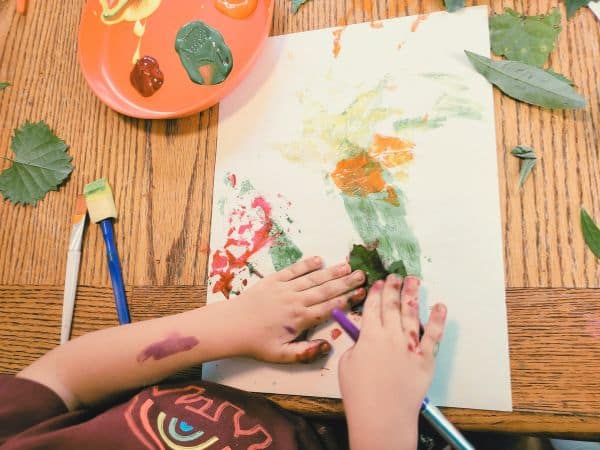
The Waldorf method educates the whole child—head, hands, and heart—through arts, crafts, and rhythmic routines. It avoids textbooks, using storytelling and seasonal activities for security and creativity. Lessons integrate movement, music, and imagination holistically.
Key features: Incorporate painting, music, and more to create well rounded lessons for a child as a whole. Seasonal routines offer security for a child’s need of rhythm and in turn teaches earth cycles naturally.
Pros: Nurtures creativity; provides stability; whole-child focus.
Cons: Rare textbooks (which can be effective for certain subjects, topics, and grade levels); parent-intensive; weak in early academics.
How to get started: Establish daily rhythms like morning verses. Use arts for lessons. Practically, celebrate seasons with crafts.
Beautiful for artistic families. Introduce gentle academics for literature skills via stories and storytelling – think fairytales and reenactments.

Worldschooling Method
Worldschooling immerses families in other countries for extended periods, learning through cultural experiences. It prioritizes real-world history, language, and global awareness over formal instruction. Travel becomes the primary teacher for well-rounded growth.
Key features: Cultural experiences becomes the curriculum and learning is travel-based.
Pros: Creates global citizens; hands-on history/language; enriching; breaks down potential mental-barriers for kiddos when they enter adult-hood.
Cons: Costly; visa/logistics hassles; disrupts continuity.
How to get started: Plan extended stays, use online supplements. Practically, journal travels for reflection.
This type of homeschool learning is definitely fit for adventurous families. Also, be sure to supplement with local homeschool laws research to stay compliant abroad.

Eclectic Method
The Eclectic method combines elements from various types of homeschool styles to fit a family’s unique needs. One subject might follow Charlotte Mason while another uses Online Learning. It allows customization by season, child, or goal for maximum flexibility.
Key features: Customize per subject, by grade level, season, or whatever your family’s need and priority looks like.
Pros: Highly adaptable; meets unique needs and priorities; prevents boredom.
Cons: Requires intensive planning and research; continuous evaluation per grade level is ideal.
How to get started: List your family’s priorities per subject, then analyze the strengths of each method. You’re now ready to mix accordingly.
Many families land here, including my own, but not all. Create a yearly “homeschool map” outlining blends to visualize and refine your eclectic style.
My Family
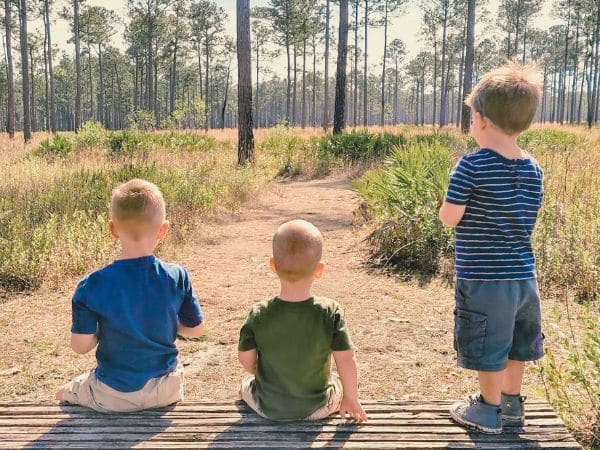
Our home is Eclectic, drawing from Charlotte Mason’s living books and nature, Hygge’s warmth and focus on learning through daily tasks, Unschooling’s interests, Traditional’s structure for basic academic skills – like reading, handwriting, grammar, and math. Lastly, we embrace Waldorf’s seasonal rhythms. We chase turtles in the morning dew, sit down to math workbooks the next—all in a cozy atmosphere with muffins baking in the oven. This blend lets us pivot smoothly; for instance, during illness, we lean into Hygge with read alouds. When energy returns, we resume structure.
Read Next: The Perfect Apple Muffin Snack for Kids

Make the Method(s) Work for You
Most families are Eclectic, blending 2-4 types of homeschool. Pinpoint your main one but stay open to changes. Reassess priorities seasonally and by grade level. If you really aren’t sure I encourage you to analyze your family’s prioritiees and return to reassess the types of homeschool outlined here.
Which type of homeschool grabs you? Share in the comments—I’d love to hear! Discuss how you’ve blended methods or overcome challenges; your story could inspire someone else.
Now armed with this overview, dive deeper via books or communities. Your perfect homeschool awaits—customized, joyful, and ever-evolving!
Recent Posts on the Homeschool Blog