

This post may contain affiliate links. Please refer to our disclosure policy.
Art is a cornerstone of homeschool education, offering children a creative outlet to explore their imagination, learn a skill, and express emotions. Choosing the right types of paint for art can make a significant difference in the success of these projects, especially in a homeschool setting where versatility, safety, and ease of use are paramount. Here, I’ll explore various types of paint—tempera, acrylic, watercolor, oil, gouache, and finger paint—comparing their properties, purposes, and best uses for homeschool art activities. Whether you’re teaching a toddler or a teenager, understanding these paints will help you select the perfect medium for your child’s next masterpiece.
Table of Contents

Why Choosing the Right Paint Matters in Homeschool Art
In a homeschool environment, art projects serve multiple purposes: they foster creativity, teach technique, and often align with other subjects like history, science, or literature. The types of paint for art you choose can impact the learning experience. For example, some paints are better suited for young children due to their non-toxic nature, while others are ideal for older students experimenting with advanced techniques. Factors like ease of cleanup, durability, cost, and safety are critical when selecting paints for different uses. Let’s dive into the main types of paint and explore their unique characteristics.
Read Next: Artwork Storage Solutions

1. Tempera Paint: The Homeschool Staple
Overview
Of all the types of paint for art, tempera is the winner for young kids. It is a water-based medium known for its vibrant colors and ease of use. It’s a go-to choice for homeschool art projects, especially for younger children, due to its affordability and non-toxic nature.
Activity: Seasons of a Tree with Poetry
Characteristics
- Composition: Made from pigments mixed with a water-soluble binder, often egg yolk in traditional recipes, but modern versions use synthetic binders.
- Texture: Thick and opaque, providing excellent coverage.
- Drying Time: Dries quickly to a matte finish, typically within minutes.
- Cleanup: Water-soluble, making it easy to clean with soap and water. Rarely stains!
- Safety: Non-toxic versions (labeled ASTM D-4236 compliant) are safe for children.
Purposes in Homeschool
Tempera paint is ideal for introducing young children to painting. Its bold, opaque colors make it perfect for projects like:
- Simple Art Projects: Creating apple stamping for the artwall using basic paper.
- Finger Painting: Encouraging sensory exploration in preschoolers with a Seasons of a Tree Art Project.
- Large-Scale Art: Painting on large sheets of paper or cardboard.
Pros
- Affordable and widely available.
- Easy to mix for custom colors.
- Non-toxic and safe for young kids.
- Quick-drying, allowing for layered techniques in a single session.
Cons
- Not durable; paintings may crack or fade over time.
- Matte finish lacks the vibrancy of other paints when dry.
- Not suitable for advanced techniques like glazing.
Best Use Case
Tempera is perfect for preschool and elementary-aged homeschoolers working on simple, colorful projects. For example, a kindergartner studying leaves could stamp with tempera, using its bold colors to capture the various shapes and details.

2. Acrylic Paint: Versatile and Durable
Overview
Acrylic paint is a water-based, synthetic medium that’s incredibly versatile, making it suitable for a wide range of homeschool art projects. It’s a favorite for older students due to its professional-grade results.
Activity: The Best Train Craft
Characteristics
- Composition: Made from pigment suspended in an acrylic polymer emulsion.
- Texture: Can be thick or fluid, depending on the brand or dilution.
- Drying Time: Dries quickly (within minutes to hours) to a water-resistant, glossy, or semi-glossy finish.
- Cleanup: Water-soluble when wet, but requires solvents or scraping when dry. Clean up must be prompt, before the paint dries!
- Safety: Non-toxic options are available, but some brands may contain harmful chemicals, so check labels.
Purposes in Homeschool
If your child is wanting to move beyond tempera or the surface requires more durability, then your next type of paint for art is acrylic. Acrylics work on various surfaces, including canvas, wood, and even rocks. Common uses include:
- Canvas Painting: Creating landscapes or portraits for art portfolios.
- Mixed Media: Combining with collage, textured materials, or rocks.
- Craft Projects: Painting birdhouses, wooden trains, or other DIY projects.
Pros
- Durable, water-resistant finish suitable for long-lasting artwork.
- Versatile; can mimic watercolor or oil with proper techniques.
- Wide range of colors and finishes (matte, glossy, metallic).
- Adheres to multiple surfaces.
Cons
- More expensive than tempera.
- Requires careful cleanup to avoid ruining brushes.
- Not ideal for very young children due to potential mess and permanence when dry.
Best Use Case
Acrylics shine in middle and high school art projects. A teenager studying Renaissance art could use acrylics to recreate a Michelangelo-inspired fresco on a canvas board, experimenting with layering and blending.

3. Watercolor: Delicate and Expressive
Overview
Watercolor paint is a translucent, water-based medium known for its soft, ethereal effects. It’s a fantastic choice for homeschoolers interested in delicate, layered artwork. If you’re looking for a forgiving medium that will depict nature well then of all the types of paint for art this is the go to. The link provided above is a lovely set but for younger children, ages 3-9 consider this set here.
Activity: Kids in Nature
Characteristics
- Composition: Pigments suspended in a water-soluble binder, usually gum arabic.
- Texture: Thin and transparent, allowing light to pass through layers.
- Drying Time: Dries quickly, often within minutes.
- Cleanup: Easily cleaned with water.
- Safety: Generally non-toxic, but always check labels.
Purposes in Homeschool
Watercolor is perfect for teaching techniques like wet-on-wet, wet-on-dry, and gradient washes. It’s great for:
- Nature Studies: Painting detailed flowers or landscapes to complement science lessons.
- Illustrations: Creating storybook-style artwork for literature projects.
- Calligraphy: Pairing with ink for lettering projects.
Pros
- Creates soft, luminous effects ideal for expressive art.
- Portable and easy to set up (just add water!).
- Affordable, especially in pan sets.
- Encourages patience and precision.
Cons
- Difficult to correct mistakes due to transparency.
- Requires specific watercolor paper for best results.
- Less vibrant than tempera or acrylics.
Best Use Case
Watercolor is ideal for elementary, middle, and high school students exploring detailed, controlled techniques. For instance, a student studying botany could paint a series of wildflowers, using watercolor to capture their delicate hues.

4. Oil Paint: Professional but Challenging
Overview
Oil paint is a slow-drying, oil-based medium used by professional artists. While less common in homeschool settings due to its complexity, it’s an option for advanced students.
Resource: The Virtual Instructor on YouTube has a plethora of lessons including oil painting, check out their Oil Painting Playlist.
Characteristics
- Composition: Pigments mixed with oils, typically linseed oil.
- Texture: Thick and buttery, allowing for rich blending.
- Drying Time: Can take days to weeks to dry fully.
- Cleanup: Requires solvents like turpentine or mineral spirits.
- Safety: Often contains toxic chemicals; not suitable for young children.
Purposes in Homeschool
Oil paints are best for advanced high school students or parents with art experience. They’re used for:
- Realistic Portraits: Creating detailed, lifelike paintings.
- Historical Reproductions: Replicating works by masters like Van Gogh.
- Long-Term Projects: Allowing time for blending and layering.
Pros
- Rich, vibrant colors with excellent blending capabilities.
- Long drying time allows for corrections and adjustments.
- Highly durable, museum-quality results.
Cons
- Expensive and requires additional supplies (solvents, mediums).
- Toxic fumes and cleanup hazards.
- Not practical for quick homeschool projects.
Best Use Case
Out of all the types of paints for art, oil paints are best for dedicated high school students pursuing serious art studies. A student recreating a Van Gogh painting for an art history project could use oils to achieve authentic texture and depth.

5. Gouache: The Best of Both Worlds
Overview
Gouache is a water-based paint similar to watercolor but with added opacity, making it a hybrid between watercolor and acrylic. It’s less common but growing in popularity for homeschool art.
Resource: Here’s a beginner’s video guide to gouache from Allison Aletha Illustrations.
Characteristics
- Composition: Pigments mixed with a binder like gum arabic, plus chalk for opacity.
- Texture: Creamy and opaque, but can be diluted for watercolor-like effects.
- Drying Time: Dries quickly to a matte finish.
- Cleanup: Water-soluble, easy to clean.
- Safety: Generally non-toxic, but check labels.
Purposes in Homeschool
Gouache is the most versatile types of paint for art for students of all ages, offering:
- Illustration: Creating bold, flat-color designs for comics or storybooks.
- Mixed Media: Combining with watercolor or ink for unique effects.
- Portable Projects: Ideal for travel-friendly art kits.
Pros
- Combines opacity of acrylics with watercolor’s ease of use.
- Rewettable, allowing for corrections.
- Vibrant, matte finish, great for graphic designs.
Cons
- More expensive than watercolor or tempera.
- Can crack if applied too thickly.
- Can be difficult to work with as the previous layers can smudge from rewetting.
Best Use Case
Gouache is great for middle and high school aged kids creating graphic novel panels or detailed illustrations. A student could use gouache to illustrate a scene from a literature book, blending bold and translucent effects.

6. Finger Paint: Fun for the Youngest Artists
Overview
Finger paint is a thick, water-based paint designed for direct application with hands or fingers. It’s perfect for preschoolers in a homeschool setting.
Activity: 8 Ways to Learn Colors
Characteristics
- Composition: Pigments in a water-based, non-toxic gel or paste.
- Texture: Thick and gooey, ideal for sensory play.
- Drying Time: Dries slowly, allowing for extended play.
- Cleanup: Washes off easily with soap and water.
- Safety: Specifically formulated to be safe for young children.
Purposes in Homeschool
Finger paint is all about sensory exploration and creativity, used for:
- Sensory Play: Encouraging tactile development in toddlers.
- Abstract Art: Creating freeform designs with no rules.
- Group Activities: Collaborative murals or handprint crafts.
Pros
- Safe and fun for very young children.
- Encourages creativity without requiring brushes or tools.
- Easy to clean up.
Cons
- Limited to simple, non-detailed projects.
- Messy and may require supervision.
- Not suitable for older students or complex art.
Best Use Case
Finger paint is perfect for preschoolers learning colors or shapes. A toddler could create a handprint rainbow to complement a lesson on weather.

Comparing the Types of Paint for Art: A Quick Reference
Tempera: For preschool through elementary, this paint is vibrant, opaque, and easy to cleanup. It is best for simple paintings, is low cost, and non-toxic.
Acrylic: For middle to high school age kids, this paint is durable, versatile, and glossy. It is best for canvas and mixed media, is medium cost, and mostly non-toxic.
Watercolor: For elementary to middle school age, this paint is translucent, and delicate. It is best for nature studies and illustrations, is low cost and non-toxic.
Oil: For high school and up, this paint is rich in color and texture, and is slow-drying. It s best for realistic portraits and landscapes, has a high cost and is toxic.
Gouache: For elementary to high school age kids, this paint is opaque watercolor. It is best for illustrations and comics, has a medium cost and is non-toxic.
Finger Paint: For preschool age kids, this paint provides sensory play and is gooey. It is best for abstract art and handprints, is low cost, and is non-toxic.
Practical Tips for Using Various Types of Paint for Art
- Safety First: Always choose non-toxic paints for young children and ensure proper ventilation for oil paints.
- Budget Considerations: Tempera and watercolor are budget-friendly, while acrylics and gouache are mid-range. Oils are the most expensive.
- Surface Matters: Use appropriate surfaces—watercolor paper for watercolor and gouache, canvas for acrylics and oils, and standard paper for tempera and finger paint.
- Storage and Cleanup: Store paints in airtight containers to prevent drying. Have wet wipes, drop cloths, and aprons handy for quick cleanups.
- Integrate with Curriculum: Align paint projects with other subjects, like painting historical scenes or scientific diagrams, to enhance learning.

Book List for Learning Color Theory and Art Elements
To deepen your homeschooler’s understanding of types of paint for art and enhance their skills, incorporating books on color theory and art elements is invaluable. These books, suitable for various age groups, cover color theory, composition, and techniques that complement painting projects. Here are seven recommendations:
- The Color Kittens by Margaret Wise Brown (Ages 3–6)
This charming picture book follows two kittens, Brush and Hush, as they mix colors to create new ones. Perfect for preschoolers, it introduces basic color theory through a playful story, making it ideal for pairing with finger paint or tempera projects.
Why It’s Great: Engages young learners with a narrative approach to primary and secondary colors.
- White Rabbit’s Color Book by Alan Baker (Ages 3–6)
This delightful story follows White Rabbit as he hops into buckets of paint, changing colors and learning about mixing primary colors to create new ones. The narrative is simple, with vivid illustrations that make it ideal for preschoolers and early elementary students. For example, White Rabbit dips into yellow and then blue, discovering green, which captivates young learners and introduces color mixing in a fun way. Pair this book with a tempera or finger paint project where children mix colors to mimic the rabbit’s adventures, such as creating a green forest scene after reading about yellow and blue combining. The book’s interactive storytelling makes it a perfect companion for sensory-driven art activities. - The Big Book of Colors by Felicity Brooks (Usborne Books, Ages 4–8)
This vibrant, interactive book from Usborne introduces children to a wide range of colors, including primary, secondary, and tertiary hues, along with concepts like shades and tints. It features engaging illustrations, flaps, and activities that encourage exploration of how colors appear in the world. For homeschoolers, this book is excellent for elementary students using tempera or watercolor to experiment with color gradients or create art inspired by the book’s themes, such as painting a rainbow or a colorful animal. Its comprehensive approach also introduces basic color theory terms, making it a great bridge to more advanced art concepts as children grow. Combine it with a watercolor project to practice creating tints by adding water to paint. - Mix It Up! by Hervé Tullet (Ages 4–8)
An interactive book that encourages children to mix colors by “touching” the pages. It’s a hands-on way to explore how types of paint for art combine, perfect for elementary students using tempera or watercolor.
Why It’s Great: Fosters creativity and experimentation with color mixing in a fun, tactile format. - Color and Light: A Guide for the Realist Painter by James Gurney (Ages 14–18)
Written by the creator of Dinotopia, this book dives deep into color theory, light, and realism in painting. It’s ideal for advanced students using acrylics or oils, offering insights into how light affects color and composition.
Why It’s Great: Provides technical knowledge for serious art students, with practical tips for realistic painting. - The Elements of Art: A Kid’s Guide to Art and Design by Susie Hodge (Ages 8–12)
This book covers key art elements like line, shape, color, and texture, with clear explanations and examples. It’s perfect for middle schoolers using watercolor or gouache to understand how to structure their artwork.
Why It’s Great: Combines theory with practical examples, making art concepts accessible. - Interaction of Color by Josef Albers (Ages 16–Adult)
A classic text on color theory, this book explores how colors interact and influence perception. Best for high schoolers or parents teaching advanced art, it pairs well with oil or acrylic projects to understand color relationships.
Why It’s Great: Offers in-depth, timeless insights into color dynamics for advanced learners.
These books enhance understanding of types of paint for art by providing a foundation in color theory and art principles, making them essential for a well-rounded homeschool art curriculum.
Sample Projects to Use the Different Types of Paint for Art
To bring the types of paint for art to life, here are specific project ideas tailored to each paint type, designed to suit different age groups and integrate with homeschool curricula:
- Tempera: Leaf Art Project (Ages 3–10)
Study the texture and shape of leaves by creating leaf stamping pictures. Use tempera’s bold colors to paint leaves and then place them on construction paper. Lift and there is the shape and texture of the leaf. Encourage students to mix colors (for example, only supply your child with primary colors and encourage them to create secondary colors they may want to use in their painting).
Materials: Construction paper, tempera paints, brushes.
Tip: Paint the leaf before placing it on the paper, versus dipping the leaf in the paint which can lead to overwhelming the leaf and losing its shape and details.. - Acrylic: Historical Scene Canvas (Ages 12–18)
Paint a scene from a historical period, such as a medieval castle or a Revolutionary War battle, on a stretched canvas. Acrylic’s durability and versatility allow students to layer colors for depth and add details like stone textures or uniforms. This project aligns with history lessons and builds skills in composition and blending.
Materials: Canvas board, acrylic paints, palette knives, brushes.
Tip: Dilute acrylics with water for a wash effect to create soft backgrounds. - Watercolor: Botanical Study (Ages 8–14)
Use Georgia O’Keefe or Winslow Homer as inspiration to paint a detailed illustration of a flower or landscape, such as a sunflower or sea. Tie these into a botany or history lesson. Use watercolor’s transparency to create delicate gradients for petals or waves. Practice wet-on-wet techniques for soft edges and wet-on-dry for crisp details. This project fosters observation and precision.
Materials: Watercolor paper, watercolor pan set, fine brushes.
Tip: Tape paper to a board to prevent warping. - Oil: Impressionist Landscape (Ages 16–18)
Recreate an Impressionist-style landscape inspired by artists like Monet. Use oil paints to blend vibrant colors for a sunset or garden scene, taking advantage of the slow drying time to refine details over multiple sessions. Or be inspired to attempt a portrait such as the Mona Lisa or The Girl with the Pearl Earring. This project suits advanced students and aligns with art history studies.
Materials: Pre-primed canvas, oil paints, linseed oil, turpentine (with ventilation).
Tip: Work in a well-ventilated area, research how to use linseed oil, and use a palette knife for textured effects. - Gouache: Storybook Illustration (Ages 10–16)
Illustrate a scene from a favorite book, such as a fairy tale or novel, using gouache’s opaque and vibrant qualities. Create bold characters and backgrounds, then add translucent details like shadows with diluted gouache. This project encourages storytelling and graphic design skills.
Materials: Heavyweight paper, gouache tubes, brushes.
Tip: Use a hairdryer to speed up drying between layers. - Finger Paint: Color Wheel Handprints (Ages 3–6)
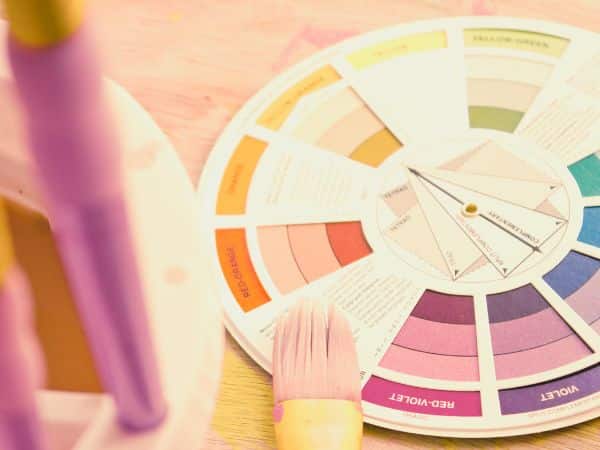
Create a color wheel using handprints to teach primary and secondary colors. Have children dip their hands in finger paint to make prints in a circular pattern, mixing colors like red and blue to form purple. This sensory project reinforces color theory and fine motor skills.
Materials: Large paper, finger paints, wet wipes.
Tip: Lay down newspaper to minimize mess.
These projects leverage the unique strengths of the various types of paint for art, making learning fun and interdisciplinary. Adjust complexity based on your child’s skill level and interests.
Is your child not quite ready but wants to participate in their older siblings’ art pursuits, and one project is enough to clean up? Check out The Magic Painting Books by Usborne. We love these in our home!
Read Next: Homeschooling with a Baby and Toddler

Choosing the Right Paint for Your Homeschooler
Selecting the best types of paint for art depends on your child’s age, skill level, and the project’s goals. For young children, tempera and finger paint offer safe, vibrant options for exploration. Watercolor and gouache suit students ready for more control and detail, while acrylics and oils are best for older students tackling advanced techniques. By understanding each paint’s strengths and limitations, you can create a rich, engaging art curriculum that fosters creativity and complements your homeschool goals.
The current stage of life I am in requires a lot of tempera and watercolor, with the occasional use of acrylic. When I have to remember the uses of the different types of paint for art, I simply remember that “temp-era” is “temp-orary.” Whereas with acrylic I will need already stained clothes and a drop cloth! Acrylic should have been called, “perm-ylic” for “perm-anent.” You get it.
What’s Your Next Project?
The world of types of paint for art is diverse, offering endless possibilities for homeschool art projects. From the vibrant simplicity of tempera to the professional depth of oil paints, each type has a unique role in nurturing creativity. By exploring these paints, using books like Color and Light: A Guide for the Realist Painter and The Big Book of Colors to teach color theory, and trying projects like those suggested, homeschoolers can develop artistic skills and create lasting memories.
Leave a comment to share what the next project will be in your home, down below. Now grab some brushes, set up an easel or table with a drop cloth, and let your child’s imagination soar with the perfect paint for their next great art project!
Recent Posts on the Homeschool Blog