LEARN AND LOVE
20+ Heart activities for kids.
— By Julie Hodos on June 26, 2024; Updated on December 3, 2025.

This post may contain affiliate links. Please refer to our disclosure policy.
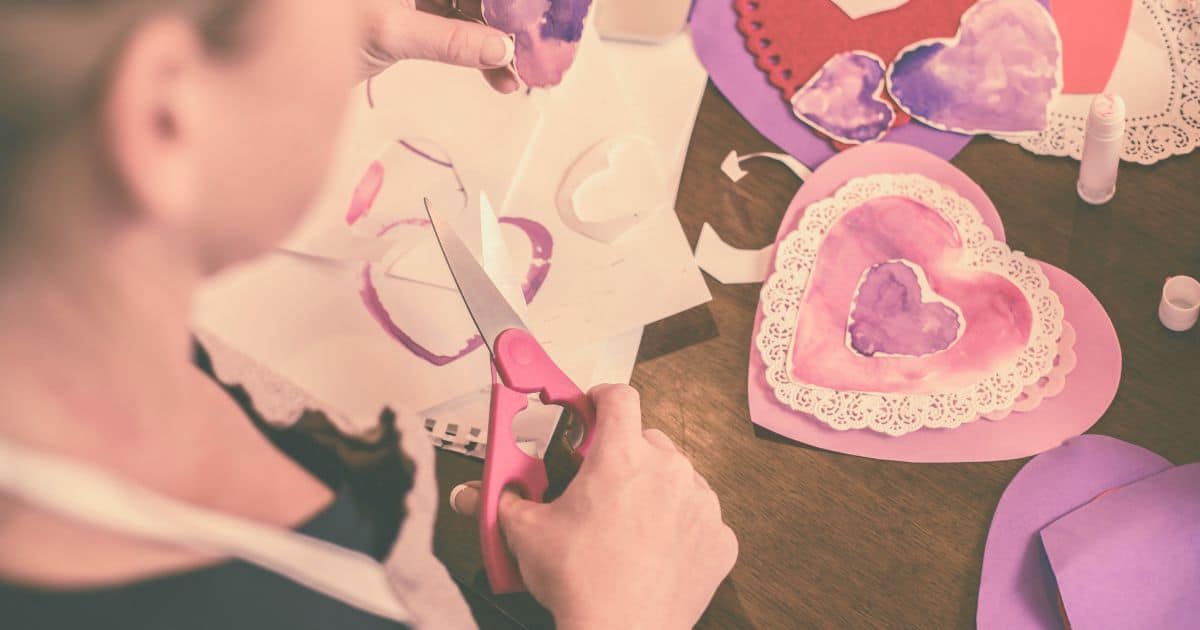
If you’re looking for engaging ways to teach children about the heart—whether it’s the amazing organ pumping away in our chests or the symbol of love and affection—you’ve come to the right place. Heart activities for kids are a fantastic blend of science, creativity, and emotional expression, perfect for any time of year but especially around Valentine’s Day. These projects go beyond simple entertainment; they spark curiosity, build skills, and create lasting memories.
Table of Contents

Here we’ll explore why these activities are so beneficial, recommend even more heartwarming books to enrich your reading time, and share over 25 hands-on ideas that mix anatomy education with fun heart crafts like making love notes to mail to loved ones. Whether you’re a homeschooling parent planning a unit study, a classroom teacher looking for cross-curricular projects, or a caregiver seeking rainy-day fun, these ideas are designed to be inclusive, adaptable, and joyful. Let’s get those little hearts beating with excitement and discovery!
Read Next: Indoor Activities for Kids
Why Heart Activities Are Great Learning Opportunities for Kids
Exploring heart activities for kids isn’t just about cutting out paper shapes or learning body parts—it’s a gateway to holistic development that nurtures the whole child. On the science side, anatomy-focused activities help children understand how the human body works in an interactive way, fostering curiosity about biology and health from a young age. They learn key concepts like circulation, pulse, and organ functions through play, which makes abstract ideas tangible, memorable, and less intimidating than textbook lessons. For example, when kids build a pumping model, they’re not just playing—they’re internalizing how oxygen-rich blood travels to every cell, laying a foundation for lifelong health literacy.
Emotionally, Valentine’s-style heart crafts encourage kids to express love, gratitude, and kindness in meaningful ways, building essential social skills and empathy that extend far beyond the craft table. Creating cards to tell others “I love you” teaches communication, vulnerability, and the value of relationships, helping children navigate emotions with confidence. These activities also boost fine motor skills through precise tasks like cutting, gluing, modeling, and threading, while simultaneously promoting creativity, problem-solving, and critical thinking as kids decide on colors, patterns, or modifications.
Practically speaking, these heart activities and heart crafts are incredibly easy to set up with common household items or inexpensive supplies from dollar stores, making them accessible for busy families, large classrooms, or budget-conscious groups. They align seamlessly with educational standards in STEM (science, technology, engineering, math) and social-emotional learning (SEL), helping kids connect physical health with emotional well-being in a natural, integrated way. Heart activities for kids and heart crafts transform learning into pure joy, helping them appreciate both their incredible bodies and the deep bonds they share with others in a world that needs more connection.
Read Next: Hh is for Heart Free Preschool Curriculum

Heart-Themed Books for Kids
To kick off your heart activities and heart craft adventures, pair activities with some delightful books that go beyond the basics. These heart-themed reads cover everything from anatomical wonders to sweet tales of love, sparking imagination and discussion that extend the learning. Reading together builds vocabulary, comprehension, and family closeness, while the stories provide perfect jumping-off points for the crafts and experiments ahead. Here’s a curated list of books we love to read in our home before and after heart activities and heart crafts.
- Look Inside Your Body: Interactive Human Body Flap Book For Curious Young Minds by Louie Stowell This sturdy, oversized lift-the-flap book takes curious kids (ages 4–8) on an exciting journey through the human body with more than 60 flaps to explore. From peeking inside the mouth to see teeth and tongue, lifting skin to reveal muscles and bones, or opening the ribcage to find the heart and lungs, every page is packed with colorful, friendly artwork and simple, engaging facts. It’s a perfect hands-on introduction to anatomy that makes children gasp with delight while naturally learning how their body works—from digestion and breathing to the brain and senses.
- Kay’s Anatomy: A Complete (and Completely Disgusting) Guide to the Human Body by Adam Kay (illustrated by Henry Paker) Written by a former doctor with tons of gross-out humor, cartoons, and quirky facts, this hilarious book teaches kids how the body really works (digestion, boogers, burps, and all). Perfect for reluctant readers ages 8–12 who think science is boring.
- You’re My Little Cuddle Bug by Nicola Edwards: This adorable board book features cute bug characters expressing affection through hugs and snuggles, perfect for toddlers. It emphasizes emotional bonds with rhythmic text and touch-and-feel elements, making it a gentle introduction to love themes. Kids learn about expressing feelings while enjoying interactive reading.
- Little Blue Truck’s Valentine by Alice Schertle: Join Little Blue Truck as he delivers valentines to his farm friends, highlighting friendship and kindness. The story’s rhyming narrative and vibrant illustrations engage young readers, teaching social skills like sharing and appreciation. It’s ideal for preschoolers exploring heart activities for kids centered on community.
- Guess How Much I Love You by Sam McBratney: This classic tale follows Little Nutbrown Hare and Big Nutbrown Hare as they try to outdo each other in declarations of love. With soft illustrations and heartfelt dialogue, it beautifully captures unconditional love. Children gain insights into emotional expression, making it a staple for Valentine’s heart crafts.
- Love You Forever by Robert Munsch: A touching story of a mother’s enduring love for her son, from infancy to adulthood, repeated with the iconic lullaby refrain. It evokes deep emotions and discussions about family bonds across generations. This book offers learning opportunities in empathy and life cycles, tying into heart activities for kids about lasting affection.
- Human Body: A Visual Encyclopedia by DK Publishing A stunning reference book packed with detailed photos, illustrations, and bite-sized explanations of every body system from skin to brain. Great for curious kids ages 7–12 who want clear, accurate info they can dip in and out of whenever they have questions.

20+ Heart Activities for Kids
Now for the main event: a list of over 20 heart activities for kids! I’ve mixed anatomy-related learning (like understanding the heart’s structure and function) with Valentine’s-type heart crafts (such as expressing love through mail or decorations). These are practical, using mostly everyday materials, and can be scaled for ages 3-10 with adult supervision where needed. I’ve added preparation tips, variation ideas, and discussion prompts to make implementation smoother and more impactful. Get ready to craft, learn, and love!
Pumping Heart Model
Kids create a simple model using a balloon, straws, a jar, and colored water to mimic blood flow. They fill the jar with water, attach straws as veins and arteries, and squeeze the balloon to demonstrate circulation. This hands-on setup vividly shows how the heart works as a pump. Prep tip: Pre-cut straws; vary water colors for oxygenated vs. deoxygenated blood. Learning opportunities: Teaches basic heart anatomy and circulatory system; develops fine motor skills and scientific observation.
Heart Coloring and Labeling
Children print or draw a diagram of the human heart and color the chambers in red and blue while labeling parts like ventricles and aorta. They use crayons or markers for accuracy and discuss blood flow as they work. This activity reinforces anatomical knowledge through creative expression. Variation: Use washable markers on laminated sheets for reuse. Learning opportunities: Reinforces anatomy knowledge; improves handwriting and attention to detail.
Pulse Detection with Toothpick
A toothpick and marshmallow is placed on the wrist over the pulse point, and kids watch it bob with each heartbeat while counting beats per minute before and after exercise. They use a timer for accuracy to make the heart’s rhythm tangible. This simple method brings cardiovascular awareness to life. Discussion prompt: “Why does your heart beat faster when you run?” Learning opportunities: Introduces cardiovascular health and measurement skills; encourages physical activity awareness.
Blood Flow Bottle Simulation
A clear bottle is filled with red-dyed water to represent blood, and tubes or straws are added to mimic vessels; kids squeeze to simulate heart contractions. Glitter can be included as “cells.” This experiment illustrates the dynamics of circulation. Variation: Add food coloring drops to trace paths. Learning opportunities: Illustrates circulation and pressure; fosters experimentation and biology basics.

Heart Cookie Baking
Sugar cookie dough is mixed, rolled out, heart shapes cut, baked, and then decorated with icing messages to eat and share. This edible craft delights the senses and it ties crafting to food. Variation: Make healthy versions with oats. Learning opportunities: Teaches measurement and following recipes; ties into nutrition and sharing.
Heart Poem Recitation
A simple poem like I Have a Heart is read or memorized from educational resources, then illustrated with drawings of pumping hearts. Kids act it out with actions to combine literacy and science. This blends language arts with physical education. Variation: Compose original verses about heart functions. Learning opportunities: Develops language skills and memory; connects emotions to physical heart functions.
Pipe Cleaner Blood Vessels in Bag
Red and blue pipe cleaners represent arteries and veins inside a zip-lock bag filled with pink gel or corn syrup; kids “pump” by squeezing. Labels are added, and flow resistance is observed. This sensory method demonstrates vessel functions. Variation: Use different gel thicknesses for artery vs. vein feel. Learning opportunities: Demonstrates vessel roles in circulation; encourages sensory exploration.
Heart Rate Jump Rope Challenge
Kids jump rope or do jumping jacks while timing heart rate changes and charting results on paper. They compare resting and active rates and discuss reasons for the increase. This links movement to heart function. Variation: Use apps for heart rate if available. Learning opportunities: Links exercise to heart health; introduces data collection and graphing.
Paper Heart Garland
Various sized hearts are cut from colored paper, strung together with yarn, and hung as decoration with messages like “I love you.” Glitter personalizes each piece for added flair. This creates a festive display of affection. Variation: Make it thematic for holidays beyond Valentine’s. Learning opportunities: Boosts scissor skills and patterning; teaches expression of affection.
Heart Suncatcher
Tissue paper scraps are glued inside a heart-shaped contact paper frame and hung in a window to catch light. Pinks and reds create vibrant effects as colors glow through. This project explores light interaction beautifully. Prep tip: Pre-cut frames to save time. Learning opportunities: Explores light and color mixing; fosters artistic freedom and fine motor control.
Accordion Paper Heart
Paper is folded accordion-style, half-heart shapes are cut, and unfolded to reveal chains that are decorated with markers. These can be attached to cards for sharing. This technique produces multiples efficiently. Variation: Use recycled magazines for eco-twist. Learning opportunities: Teaches symmetry and folding techniques; encourages sequencing and math concepts.

Love Mail Cards
Heart-shaped cards are designed by the kiddo’s imagination. Include messages like “You make my heart happy,” or simply supply your child with stickers and and leftover craft supplies. These cards are then placed in addressed envelopes, and mailed to family. Stamps and placing it in the mailbox (with the flag up) complete the postal experience. This teaches real-world communication. Extend the learning: Ask family to open their card over video call or take a picture. Then have them mail a card back! Learning opportunities: Practices writing and addressing; understands communication and empathy.
Seed Paper Hearts
Recycled paper pulp is mixed with seeds, shaped into hearts, dried, and planted. These become eco-friendly valentine gifts that grow over time. This combines crafting with nature. Variation: Use wildflower seeds for biodiversity lessons. Learning opportunities: Introduces environmental science; teaches patience and growth cycles.
Heart Friendship Bracelets
Yarn or string is braided with heart beads and tied for an adjustable fit to exchange with friends. Charms can be added for personalization. This wearable craft strengthens bonds. Prep tip: Demonstrate braiding first. Learning opportunities: Improves dexterity and knot-tying; reinforces friendship values.
Felt Heart Pouches
Felt hearts are cut, edges sewn or glued, and filled with treats or notes with ribbons for hanging. These become portable tokens of love. This introduces simple sewing skills. Variation: Use fabric markers for drawing. Learning opportunities: Teaches basic sewing; encourages generosity and planning.
Nature Heart Scavenger Hunt
Kids hunt outdoors for heart-shaped leaves, rocks, or clouds and arrange them into collages. Finds can be photographed for memory. This connects shapes with the environment. Variation: Do it in different seasons for variety. Learning opportunities: Connects nature to shapes; promotes observation and outdoor exploration.

Love Notes Jar
A jar is decorated and filled with heart-shaped notes of compliments to draw one daily as a family. This spreads positivity consistently. It builds an emotional resource. Variation: Theme by week (such as, kindness and bravery). Learning opportunities: Builds vocabulary for emotions; promotes daily gratitude.
Heart Wreath
Paper hearts are glued onto a cardboard ring with ribbons and bows added for hanging on doors. Themes can be customized seasonally. This creates a welcoming decoration. Prep tip: Reuse cereal boxes for rings. Learning opportunities: Develops gluing precision; explores circular designs and decoration.
Potato Heart Stamps
Hearts are carved into potato halves, dipped in paint, and stamped to create patterns on paper for cards or wrapping. This produces repeatable designs messily. It introduces a classic printing method. Prep tip: Adult carves potatoes. Learning opportunities: Introduces printmaking; encourages pattern recognition.

Pin the Heart
Children draw a body outline and then play Pin the Heart like one would play Pin the Tail on the Donkey. Draw a heart in the correct spot, blindfold the child and play! The location of other organs is discussed as the heart is misplaced. Prep Tip: Grab the free printable by following the link, you’ll have a heart shape and an anatomically correct heart to choose from. Learning opportunities: Teaches body mapping; promotes spatial awareness.
Symmetry Heart Painting
Paper is folded, half a heart painted, then folded to mirror the design before unfolding for symmetrical results. Encourage your child to experiment with the colors. This method reveals math in art magically. Variation: Use watercolors for bleeding effects. Learning opportunities: Demonstrates math symmetry; fosters creativity in art.
Heart Mosaic with Tiles
Tangram blocks are used to create heart patterns and form geometric art. Challenge your child’s spatial planning by not giving them a pattern to follow. Prep tip: Play with the blocks yourself beforehand so you can guide a younger child to designing a heart. Learning opportunities: Teaches geometry and mosaics; enhances spatial reasoning.
Embroidered Heart Cards
Holes are poked in heart cards, yarn threaded through for simple embroidery, and beads added for texture. These become unique greetings. This craft can elevate basic cards and be gifted. Prep tip: Use plastic needles for safety. Learning opportunities: Improves hand-eye coordination; introduces basic crafting techniques.

Why Heart Activities Shine in February—and All Year Round
February is the perfect month to dive into heart activities and heart crafts for kids, thanks to Valentine’s Day on the 14th, which turns the spotlight on affection in homes, schools, and communities worldwide. The holiday naturally amplifies themes of love, friendship, and kindness, making crafts like love mail cards or heart garlands feel festive and timely. Co-ops, schools and families often host parties, exchanges, or secret admirer events, so these projects double as meaningful, personalized gifts that spread joy, build community, and teach reciprocity.
The winter season keeps many indoors due to cold weather, so hands-on heart activities combat cabin fever, provide constructive energy outlets, and brighten gray days with reds, pinks, and sparkles. Pairing anatomy lessons with Valentine’s crafts also aligns perfectly with American Heart Month, a national campaign raising awareness about cardiovascular health—turn it into a dual celebration where kids learn to care for their physical hearts while nurturing emotional ones through kindness challenges.
That said, heart activities for kids and heart crafts are wonderful any time of year because health and love are perennial needs. Anatomy education supports ongoing science curricula, helping children maintain healthy habits like regular exercise, balanced nutrition, and stress management awareness that prevent future issues. Emotional expression through crafts fosters year-round empathy, gratitude, and social skills—essential for mental health in every season, from back-to-co-op friendship building to holiday gratitude practices.
Use them in summer for outdoor scavenger hunts and nature collages, fall for gratitude jars filled with thankful hearts, winter for cozy indoor modeling, or spring for seed paper planting that symbolizes growth and renewal. They’re versatile for birthdays (heart-themed party favors), health units (heart rate tracking), or even random acts of kindness weeks. With minimal seasonal tweaks, these activities ensure learning and love never go out of season, creating traditions that strengthen family bonds and co-op cultures throughout the calendar.

Wrapping Up with Heart
There you have it—a treasure trove of heart activities and heart crafts for kids that blend education, creativity, and affection into unforgettable experiences that grow with your children. Whether you’re dissecting the mysteries of anatomy with pumping models and pulse checks or crafting ways to say “I love you” through mailed cards, embroidered pouches, or daily note jars, these ideas help children grow in mind, body, and spirit while making meaningful connections.
The details, tips, and variations included here make it easier than ever to customize for your unique kiddo or group setting. Grab some supplies, gather the little ones, and start exploring today—your hearts will thank you for the enrichment, laughter, and love! If you try any, share your stories, photos, or adaptations in the comments; we’d love to hear how they pumped up your day and inspired your crew. Here’s to hearts that beat stronger together!
Recent Posts on the Blog