PLAY FILLED LEARNING
16 Fun preschool learning activities.
— By Julie Hodos on April 11, 2024; Updated on December 28 2025.

This post may contain affiliate links. Please refer to our disclosure policy.
As a parent or caregiver navigating the world of preschool education, finding activities that blend learning with play can feel like striking gold. In today’s fast-paced world, where screens often compete for our children’s attention, it’s more important than ever to foster hands-on experiences that spark imagination, build skills, and create lasting memories. That’s why I’m sharing our family’s top preschool learning activities—simple, engaging ideas rooted in exploration, creativity, and real-world connections. These aren’t rigid lessons but playful invitations to discover the wonders around us, from the backyard to the kitchen table.
Table of Contents

As I’ve connected with more families, I’ve seen how these learning activities resonate across different homes. Whether you’re homeschooling, supplementing daycare, or just looking for weekend fun, play-based learning lays a strong foundation for kindergarten readiness. It encourages critical thinking, fine motor development, and social-emotional growth without the pressure of traditional schoolwork. Drawing from feedback and my own experiences, I’ve expanded this list to include more favorites, incorporating additional gems from other posts on the site like rainy day ideas, fall explorations, color adventures, star wonders, and train-themed fun. Each one is designed to be adaptable, affordable, and endlessly repeatable.
Here, we’ll dive into why these learning activities have become staples for so many families, explore each one including its key learning opportunities, offer suggestions for adapting them for older siblings, share practical tips for success, and highlight other preschool resources to enhance your journey. By the end, you’ll have a toolkit to make learning feel like the adventure it should be. Let’s turn everyday moments into magical discoveries!

Why These Learning Activities Are Favorites
When I first compiled my top 10 preschool learning activities, I drew from years of trial and error in my own home—watching my kids light up as they smashed geodes or stamped apples. But what truly surprised me were the comments from other families sharing how these simple learning activities brightened days or helped nudge their child to want more knowledge on a subject. One mom wrote that the pinecone bird feeders turned her backyard into a “nature classroom,” inspiring her son to be curious about birds and seasons. Another family loved the dancing grapes experiment for its “wow” factor, making science accessible even on busy days.
These preschool activities stand out because they’re rooted in play, not perfection. In a world where preschoolers face increasing academic pressures, families appreciate how they sneak in skills like STEM concepts, literacy, and motor development without feeling like drills. They’re versatile too—scalable for solo play or group fun, using mostly household items or easy-to-find supplies. For homeschooling families like mine, they align with child-led learning, fostering independence and joy.
Parents tell me they love the low-prep setup, which fits chaotic schedules, and the way the learning activities encourage family bonding. Older siblings often join in, turning them into multi-age adventures. Ultimately, these are favorites because they remind us that learning thrives in laughter, mess, and curiosity—not worksheets. They’ve helped countless families create traditions, build confidence, and nurture lifelong learners.

Weekend Warriors: Fitting These Activities into Busy Family Schedules
Not everyone homeschools full time—and that’s okay! The beauty of this list? These learning activities are designed for short moments, not marathon sessions. Here’s how non-homeschool families can turn Saturday mornings or lazy Sunday afternoons into mini-learning adventures without upending your routine.
Batch and Theme It: Pick 2-3 activities per month, grouped by season or interest to keep things cohesive. For a fall Saturday, start with Apple Dissection (10 minutes prep, 20 minutes play), another weekend plan to make art with leaves. Another season, such as summer, might include smashing geodes and mapping constellations with nature.
Low-Energy Entry Points: On those “we barely made it through grocery shopping” Saturdays, lean into zero-prep gems like the Color Scavenger Hunt or Dancing Grapes.
Pro Tip for Repeatability: Use a weekend planner to jot quick notes and reminders: “Made pinecone bird feeders—kiddo obsessed, repeat next month.” This builds traditions without pressure, turning weekends into “our thing” that sneaks in skills like observation and creativity
It’s not about perfection; it’s about those giggles echoing through the house long after the mess is wiped up. You’ve got this—your weekends just got a whole lot more play-filled and learning-filled.

Top 16 Preschool Learning Activities
Here, I’ve expanded the original list to 16, pulling in complementary ideas from across Playing for Hours. Each includes a short description and the primary learning opportunities it offers. For step-by-step instructions, check the linked blog posts—perfect for diving deeper when you’re ready.
Apple Dissection and Stamping
Slice open an apple to explore its inner parts, discuss its growth, and then use the halves for colorful stamping art.
Learning Opportunity: Builds understanding of plant life cycles and enhances fine motor skills through hands-on investigation and creative expression.
Pinecone Bird Feeders
Gather pinecones on a walk, coat them with peanut butter and seeds, and then hang them to attract birds for observation.
Learning Opportunity: Promotes environmental awareness and observation skills, connecting children to nature’s ecosystems.
Dancing Grapes Experiment
Drop grapes into glasses with varying liquids to watch them bob and dance due to density differences.
Learning Opportunity: Introduces basic physics concepts like buoyancy and density in a mesmerizing, interactive way.

Play Act the Life Cycle of a Butterfly
Physically act out the stages from a delicate egg, to a hungry caterpillar, to a transformative chrysalis, to beautiful butterfly. Simple props that can be found around your home create the opportunity for full immersion.
Learning Opportunity: Reinforces biology through kinesthetic learning, improving memory and sequencing abilities.
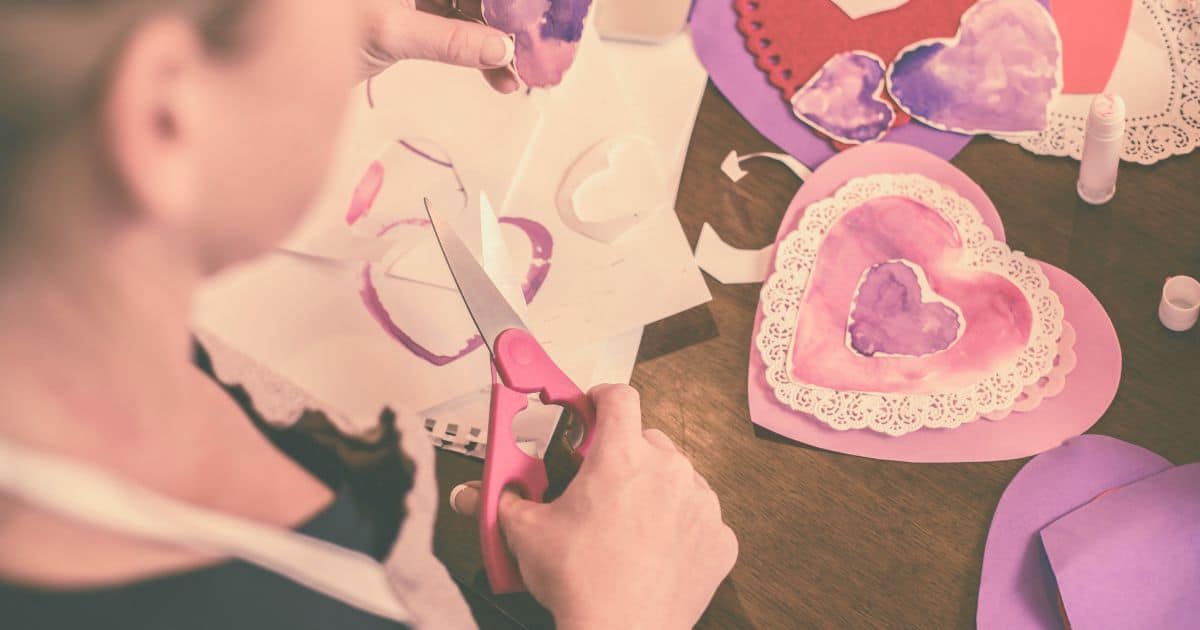
Send Hearts by Mail
Design and decorate paper hearts, then prepare and send them by snail mail to loved ones and friends.
Learning Opportunity: Teaches social studies elements like communication and addresses while fostering empathy and creativity.
Easy Paper Kite
Assemble a simple kite from paper and string, then test it by running to catch the wind. I love having my boys try different designs with wing and string placement.
Learning Opportunity: Explores aerodynamics and engineering basics, encouraging physical activity and problem-solving.
Leaf Rubbing
Collect leaves on a nature walk. Then return home and use crayons to capture their textures and patterns on paper. Creating an entire picture inspires more creativity – think: a leaf man, an autumn landscape, or a repeating pattern.
Learning Opportunity: Develops artistic skills and botanical knowledge, highlighting diversity in nature.

Dissect Owl Pellets
Carefully pull apart owl pellets (regurgitated nondigestible parts of an owl’s prey) to discover bones and remnants of their dinner. Sounds “ick” but the owl pellets are heat treated before shipping to sanitize.
Learning Opportunity: Delves into animal biology and food chains, sparking interest in wildlife ecology.
Smash Geodes
Safely hammer open geodes to reveal sparkling crystals inside. The challenge is so fun for kids, be sure to wear eye protection!
Learning Opportunity: Teaches geology fundamentals, like crystal formation, in an exciting, tactile manner.
Frog Dissection
Use a safe kit to explore the anatomy of a frog. A gelatin like substance encases plastic organs and bones. What’s great about this kit is that it comes with additional molds so the dissection can be repeated!
Learning Opportunity: Provides insights into amphibian biology and organ systems through guided discovery.
Rain Cloud in a Jar
Layer water and shaving cream in a jar, then using a pipette add colored drops. Eventually the cloud (shaving cream) becomes too wet and releases the colored waterdrops into the water below, simulating rainfall.
Learning Opportunity: Illustrates the water cycle and weather patterns, building scientific observation skills.

Color Scavenger Hunt
Search indoors or outdoors (I prefer to do it outdoors in nature) for items matching specific colors. Collect them on a pre-made template with clothespins.
Learning Opportunity: Strengthens color recognition and categorization, integrating movement for active learning.
Pumpkin Volcano
Combine baking soda and vinegar inside a carved pumpkin for a fizzy eruption. A volcano science experiment can occur in just about anything. So if you’re doing this experiment in the fall choose a pumpkin, otherwise a simple plastic water bottle will do the trick.
Learning Opportunity: Demonstrates chemical reactions and cause-effect relationships.
Build Constellations with Nature
Use sticks, leaves, and stones to recreate star patterns from printable cards. This activity helps immensely before going stargazing at night. Since you can’t actually connect stars with lines in the night sky, your child will be able to make the connections beforehand so that visualizing the constellation’s connections comes easier in the sky.
Learning Opportunity: Introduces astronomy and spatial reasoning, blending nature with imaginative storytelling.
Pan Flute
Cut drinking straws into gradually decreasing lengths, line them up side by side with the tops aligned, and secure them together with tape to create a simple, sturdy pan flute that produces different notes when blown across the openings.
Learning Opportunity: Explores the science of sound through pitch and vibration—shorter straws create higher notes while longer ones produce lower tones. Introduces basic music concepts like scales and melody creation.
Homemade Craft Drum
Transform an empty container (like a coffee can, oatmeal tub, or formula canister) into a drum by first adding string, then gluing down the plastic lid. Decorate and use sticks or hands to play.
Learning Opportunity: Introduces rhythm, beat, and percussion basics, while demonstrating how sound is created through vibration and tension.

Adapting for Older Siblings
One of the beauties of these learning activities is their flexibility for multi-age families. Older siblings (think ages 6-10) can join in because the activities are curiosity driven, this creates opportunity and adaptability for the learning opportunities to be even greater! For science-focused ones like the Paper Kites or Volcano Experiment, have them predict outcomes, record observations in a journal, or research related facts online—adding a layer of hypothesis testing. In creative tasks such as Sending Hearts or the Color Scavenger Hunt, encourage them to create advanced art pieces, like composing a story for the intended recipient or categorizing finds by shades (such as, light blue vs. navy).
For nature-based activities like Pinecone Bird Feeders or Build Constellations with Nature, older kids can lead by identifying bird species via an app or explaining constellation myths from books. Anatomy explorations, such as Frog Dissection or Dissect Owl Pellets, can extend to comparing human vs. animal systems or drawing diagrams. Music-infused ones like a pan flute can evolve into science discussions about vibrations and sound. The key is assigning “big kid” roles—researcher, artist, or teacher—to boost their confidence while keeping the focus on family teamwork. This not only prevents boredom but also models mentorship, strengthening sibling bonds.

Tips for Success
To make these activities shine, start with preparation that fits your lifestyle. Gather supplies in advance—order items if needed or shop at the dollar store for basics like paint and jars. If an activity requires nature items, then plan a short nature walk beforehand to gather the necessities with your child. Set realistic expectations: aim for 15-30 minutes per session, follow your child’s lead to prevent overwhelm. Create a dedicated “play station” with washable mats for messier ones like stamping or experiments, and involve kids in cleanup to teach responsibility.
Embrace adaptations for your space and season—indoor options for rainy days, like the Rain Cloud in a Jar. Safety first: supervise tools like hammers in Smash Geodes and make sure proper eye protection is worn, use non-toxic paints, and clean up supplies at the ready for inevitable messes. To boost engagement, tie activities to themes, like pairing the butterfly life cycle to read aloud time or other simple activities, such as playing with the life cycle toys and a printable.
Record the learning activity with photos or a “discovery journal” to celebrate growth and keep memories. Finally, reflect together: ask “What surprised you?” to deepen learning. These tips will ensure activities are joyful, not stressful, and will foster a love for exploration.

Seasonal Ways to Keep the List Fresh All Year Long
You don’t have to do all fifteen back to back to back. Here’s how families cycle through them so the magic never gets old:
Fall: Apple Dissection, Leaf Rubbing, and Pumpkin Volcano
Winter: Dancing Grapes (perfect for indoor days), Send Hearts by Mail (Valentine’s + Christmas cards), Owl Pellet Dissection (cozy table science), and Pinecone Bird Feeders
Spring: Butterfly Life Cycle acting, Bird Kite flying, Rain Cloud in a Jar, Frog Dissection, and create a Pan Flute.
Summer: Smash Geodes outside (mess contained!), Build Constellations with Nature then stargaze at night, Color Scavenger Hunts, and make a craft drum.

Other Preschool Resources
Beyond these activities, Playing for Hours offers a wealth of tools to support your preschool journey. Here are some standout resources, each with practical applications for home learning.
- Alphabet Wall Displays for Review Games and Learning the Alphabet These printable displays turn walls into interactive learning hubs. Choose themes like trains or caterpillars, where kids trace letters and play review games. Ideal for daily reinforcement without drills.
- Beginning Alphabet Bundle to Learn Lowercase and Uppercase and Letter Sounds This affordable printable set includes four engaging activities for letter recognition and phonics. Use it for matching games or sound hunts, building foundational reading skills through play. Perfect for beginners transitioning from recognition to sounds.
- Handwriting Practice for Beginners Free pre-writing worksheets focus on fun tracing and shapes to develop grip and control. Incorporate into daily routines with tips like using sensory materials for reluctant writers. Builds confidence for future writing.
- The Best Read Aloud Books for Learning About the Seasons This curated list of over 40 books covers spring blooms to winter wonders, with titles like The Seasons of Arnold’s Apple Tree. Use for themed story circles, sparking discussions on change and nature. Enhances vocabulary and empathy.
- How to Implement Structured Learning in Preschool Homeschool This guide outlines strategies for creating structure for your preschooler learning at home and avoiding burnout. Includes sample schedules and play-based tweaks for structure without rigidity. Great for new homeschoolers.
- Homeschool Supplies for Preschool Essential items like manipulatives, art supplies, and books create an enriching environment. This list covers 16 must-haves, from counting bears to books, with budget tips for stocking up. Supports hands-on learning across subjects.
These resources complement the learning activities, providing structure, printables, and inspiration to customize your preschool experience.

Weaving These Learning Activities into Letter of the Week
If you’re dipping your toes into structured preschool learning at home, my free Letter of the Week curriculum is your secret weapon—a 26-week journey through the alphabet that’s 100% play-based, flexible, and zero-cost. Each week spotlights one letter with a themed object (A is for Apple, B for Bird, all the way to Z for Zebra), packed with hands-on lessons, crafts, and printables that build recognition, sounds, and writing readiness.
The magic? It pairs perfectly with these many of these learning activities here, turning isolated fun into full-blown lessons that reinforce the alphabet through exploration.
Preschool Learning Needs to be Fun
As we wrap up, remember that preschool learning is about nurturing wonder, not checking boxes. These 16 activities, beloved by families for their simplicity and impact, prove that at this age play is the ultimate teacher. Whether dissecting apples or building constellations, you’re planting seeds of curiosity that will bloom for years. Pair them with the resources shared, adapt as needed, and watch your little ones thrive. Thank you for joining me on this journey—here’s to more playful days ahead! If you try any, share your stories in the comments down below.

What Preschool Learning Activities Will You Try with Your Child?
Let me know in the comments. Whether it’s a part of their scheduled homeschool lesson or spontaneously chosen as an extra activity, my boys and I enjoy these preschool learning activities so much that we do them at least once a year.
- Apple Dissection & Stamping
- Pinecone Bird Feeders
- Dancing Grapes Experiment
- Play Act the Life Cycle of a Butterfly
- Send Hearts by Mail
- Easy Paper Kite
- Leaf Rubbing
- Dissect Owl Pellets
- Smash Geodes
- Frog Dissection
- Rain Cloud in a Jar
- Color Scavenger Hunt
- Pumpkin Volcano
- Nature Constellations
- Pan Flute
- Drum Craft
Recent Posts on the Blog