8 EASY ART ACTIVITIES
To teach colors for preschool age kids at home.
— By Julie Hodos on April 30, 2025; Updated on January 21, 2026.

This post may contain affiliate links. Please refer to our disclosure policy.
Diving into the world of colors with your preschooler feels like unlocking a magical door to creativity, learning, and endless giggles. Colors are everywhere—in the sky, on their toys, even in their favorite snacks. Teaching them about colors is one of those foundational steps that sets the stage for so much more. Here, we’re going to take a friendly, practical deep dive into colors for preschool. We’ll cover what activities you can try, how to teach colors effectively in a homeschool setting, and why these are the basic building blocks of color theory.
Table of Contents
Once your little one has a solid grasp on basic colors like red, blue, yellow, green, orange, purple, black, white, and brown, you can gently advance their learning into more exciting art and science topics. Think primary versus secondary colors, mixing paints to create new shades, or exploring the science of rainbows. Plus, don’t miss the free printable at the end—the bird color matching printable is a fantastic tool for assessing your child’s color knowledge before or after diving into these activities.
Read Next: 20+ Rainbow Activities

Why Colors Matter in Preschool Learning
Before we jump into the how-tos, let’s chat a bit more about why teaching colors is such a big deal in the preschool years. Colors aren’t just pretty additions to our world; they’re essential building blocks for visual perception, cognitive development, and even emotional expression.
In a homeschool environment, where we have the luxury of customizing our days, introducing colors early helps preschoolers make sense of their surroundings in a meaningful way. From a developmental standpoint, experts like those from the National Association for the Education of Young Children emphasize that color recognition around ages 3-4 enhances categorization skills, which are precursors to math concepts like sorting and patterning. It also boosts language development—think about how many descriptive words revolve around colors!
“The sky is blue,” or “That apple is shiny red.” These simple phrases expand a child’s ability to communicate thoughts and feelings. Moreover, colors play a role in emotional literacy; warm colors like red and orange can evoke energy and excitement, while cool ones like blue and green promote calm and focus. But it’s not all serious—colors spark joy and creativity! Imagine your preschooler mixing paints and discovering that yellow plus blue makes green; that’s an “aha” moment that builds confidence and curiosity.
The beauty of homeschooling is flexibility—start small, observe what clicks, and build from there. By mastering basics, you’re laying the groundwork for advanced topics like color theory, where primary colors (red, yellow, blue) form the basis for all others.
Teaching Toddlers: Laying the Foundation Before Preschool
Colors can sneak into your child’s world way before you even think about formal preschool lessons, and that’s a good thing—it’s all about gentle exposure. Toddlers as young as 12-18 months start noticing vibrant differences in their environment, even if they can’t articulate them yet. By around 18 months, they might begin linking words to colors during play, but true, reliable naming often doesn’t solidify until 2-3 years old. The key? Don’t push; let it unfold naturally to avoid any frustration that could dampen their enthusiasm.
In our homeschool journey, I held off on structured color activities until we dove into our preschool curriculum, like the free Letter of the Week program. Before that milestone, my approach was super casual and integrated into daily life. During playtime, I’d narrate what they were doing: “Oh, thank you for the blue block!” or “That blanket is yellow” The phrasing is important here—alternate between placing the color adjective before the noun (“red apple”) and after (“the apple is red”) to reinforce the concept from different angles. This method, drawn from early childhood language strategies, helps toddlers grasp that colors are descriptors, not just part of the object’s name.
Questions are your best friend for engagement: “Where’s the green frog in your book?” or “Can you pass me the purple crayon?” Mix in statements too, like “This ball is bouncy and orange.” I continued this even as we moved into preschool-level teaching, creating a smooth transition. For sensory-loving toddlers, tie colors to everyday routines—bath time with floating toys in rainbow shades, or snack time with colorful fruits: “Let’s eat the red strawberry first!” It’s practical, requires zero extra prep, and turns ordinary moments into learning opportunities. If your toddler seems uninterested or overwhelmed, step back; revisit in a week or two.
With my youngest, we’re still working on colors and he’s 4. He prefers to stick to word association than actually identify the color name. For instance, everything yellow is “Rubble.” Thanks Paw Patrol. If you’re dealing with multiples, involve older siblings to model: “Big sister, show us something yellow!” This fosters family bonding while reinforcing concepts. Remember, at this stage, it’s about exposure, not mastery. By the time preschool rolls around, they’ll have a head start, making formal activities even more effective.
Another amazing way to include colors in your toddler and preschooler’s life is through reading! Check out the books we love in our home and I know you will too, below.

Books About Colors: Storytime Magic
Nothing beats curling up with a good book to immerse in colors—it’s effortless learning wrapped in stories. These selections make hues memorable through illustrations and narratives. Read interactively: Pause to ask, “What color is that animal?”
- Brown Bear, Brown Bear by Eric Carle has rhythmic repetition that invites chanting.
- Bear Sees Colors by Karma Wilson explores nature’s palette during a woodland walk
- Monsters Love Colors by Mike Austin hilariously shows mixing for new shades.
- White Rabbit’s Color Book by Alan baker features a bunny dipping into paints—perfect for blending color talks.
- Planting A Rainbow by Lois Ehlert’s vibrant garden scenes inspire real planting
- Big Book of Colours by Felicity Brooks is a fun one that explores each color by commonly found items and associated emotions.
Activities for Preschool: A Mix of Fun and Focus
Alright, let’s get to the exciting part—hands-on activities! With the internet overflowing with ideas, it can be daunting, so I’ve handpicked ones that have been hits in our home, focusing on what truly engages preschoolers while teaching colors effectively. I’ve categorized them into active for energy-burning days and quiet for focused, independent play. The beauty? You can mix and match based on your schedule—maybe active in the morning to kickstart the day, quiet in the afternoon during quiet time or while helping older kids with lessons. Keep sessions short, around 10-15 minutes, to align with their attention spans, and always prioritize safety with non-toxic materials.
These activities do more than teach color names; they build skills like observation, motor control, and problem-solving. Repeat favorites to reinforce learning, and tweak them for variety—add a seasonal twist or tie to holidays. On a tight budget? Most use items you already have, like toys or recyclables. Let’s dive in with practical steps and why they work.

Active Activities to Get Them Moving
Learning doesn’t have to mean sitting still— these activities channel preschool energy into color exploration, making education feel like recess. They’re ideal for outdoor time or when you need to shake off the wiggles.
Color Scavenger Hunt
This color activity is a low-prep favorite that gets everyone outside (skip it in stark winter landscapes, though). Gather free paint swatches from a hardware store, some clothespins, and a sturdy cardboard rectangle to create a portable “collection board.” Head to a park or backyard and say, “Hunt for something matching this red swatch!” Your child clips found items like leaves, flowers, or shells onto the board. It’s not just fun— it sharpens matching skills and encourages environmental awareness. In our family, this turned into a race, with kids shouting discoveries, boosting excitement and vocabulary.
Seek and Find
When weather keeps you inside, opt for Seek and Find. It has zero setup required, which I love! Plop down in a comfy spot and direct: “Dash over and touch something yellow!” or “Point to a purple pillow.” For added engagement, reverse roles once they’re confident: Let them call colors for you, and “accidentally” grab the wrong one to prompt corrections and laughs. We adapted this for multilingual practice, naming colors in Spanish, which kept my older child involved. If boredom creeps in, add challenges like “Find two blue things” to tie in counting.

Play Twister
Don’t forget the classic game, Twister! It teaches limited colors but is perfect for little energetic bodies! To keep it preschool-friendly and focused on colors, ignore left/right distinctions—just call “Hand on green” or “Foot on blue.” It promotes balance, following directions, and social skills if siblings join. No mat? DIY with colored construction paper taped to the floor. Our Twister sessions often dissolve into giggles, making color recall effortless.
Quiet Activities for Calm Concentration
On days calling for serenity—perhaps during sibling schoolwork or rainy afternoons—these quieter activities provide focused color practice without chaos. They’re table-friendly and encourage independence.

Color Sorting Activities
These are versatile and calming. Start simple: Collect identical items like colorful pom-poms, buttons, or teddy bear counters, and sort into compartments like muffin tins labeled with color cards. For variety, mix everyday objects—red Legos, blue markers, yellow spoons—in a bin, then sort onto matching construction paper squares. If prep time is scarce, invest in a wooden sorting board or puzzle set; they’re self-contained and reusable for years. This hones fine motor skills and categorization, key for early math. Begin with 2-3 colors, expanding as mastery grows. In our home, sorting became a quiet ritual, with my preschooler proudly announcing, “All the oranges here!”
Read Next: Sorting Activities for Preschoolers
Color Collage
A relaxing artistic outlet. Dedicate a page per color using matching construction paper as the base, then supply glue and materials like torn magazine pages, fabric scraps, stickers, or nature bits. “Stick anything blue here!” Space sessions over days to suit short attention spans—maybe red on Monday, blue on Tuesday. It’s therapeutic, recycling household items while teaching texture and composition. My kids loved the “hunt” aspect, flipping through old catalogs for hues, which doubled as scissor practice.

Paint Handprints
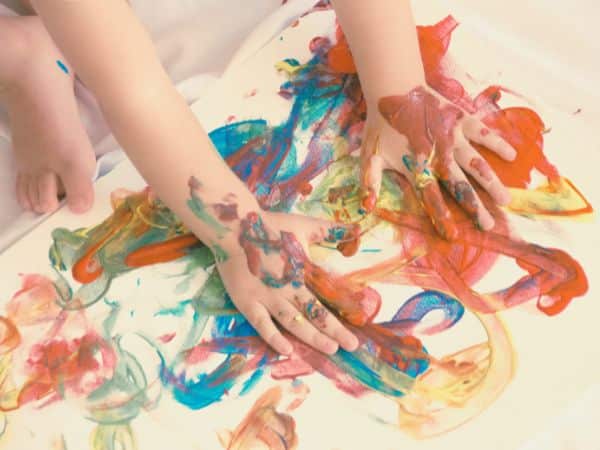
Captivate your preschooler’s senses with painted handprints. Using washable finger paints, have them dip hands in one color, print on paper, wipe up, and repeat. The mess is contained with smocks and trays, and the novelty holds attention. Use this rapt focus to chat colors—”Red is bold like a fire engine; where else do we see it?” It reinforces names through repetition. Cleanup teaches responsibility too.
Read Next: 7 Types of Paint for Art
The Bird Color Matching Printable +
The printable has kiddos matching birds together by color. Find more details below. You can also add puzzles or color-by-sticker books for more options. These quiet pursuits foster concentration, creativity, and color confidence in a peaceful way.
Incorporating Color Theory Basics
Color theory might sound like something reserved for art school students or professional designers, but at its core, it’s a simple and fascinating framework that even preschoolers can begin to explore through play and everyday observations. In a homeschool setting, introducing these basics doesn’t require fancy supplies or structured lessons—it’s about building on the color recognition your child is already developing and turning it into deeper understanding. Think of color theory as the “why” behind the colors: why certain colors mix to make others, why some feel happy or calm, and how they work together in the world around us.

Primary & Secondary Colors
Let’s start with the fundamentals: the color wheel. Imagine a circle divided into sections like a pizza, where colors are arranged in a specific order. This wheel is a visual tool that shows relationships between colors. For preschoolers, you don’t need to draw a full wheel yet—start with the primary colors: red, yellow, and blue. These are the building blocks, the “parents” of all other colors because you can’t mix anything else to create them.
A fun way to introduce primary and secondary colors is through a simple mixing activity. Grab some washable paints or even food coloring in clear cups of water. Say something like, “Let’s be color scientists! What happens when we mix red and yellow?” Watch their eyes light up as orange emerges. Repeat with yellow and blue for green, and red and blue for purple. This hands-on experiment not only teaches secondary colors (orange, green, purple) but also encourages prediction and observation skills—key for early science learning.
Read Next: Mixing Primary Colors for Kids
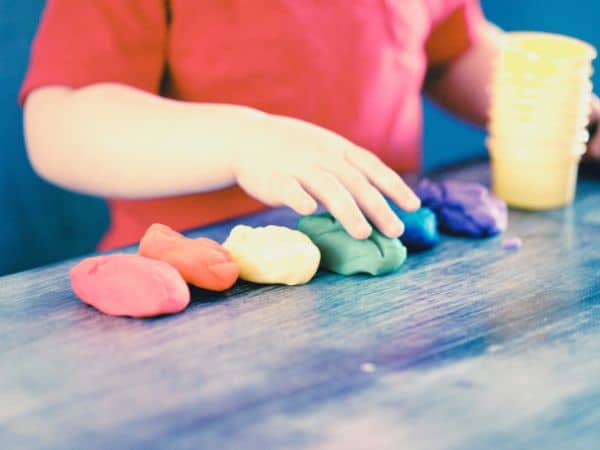
As your child gets comfortable with primaries and secondaries, gently introduce tertiary colors, which are made by mixing a primary with a secondary. For example, red-orange or blue-green. Keep it playful: Use playdough in primary colors and let them squish them together, naming the new shades. “Look, red and orange make red-orange, like a sunset!” This builds on their basic color knowledge and shows that colors aren’t static—they can change and create endless possibilities. In homeschool, tie this to real life: During a walk, point out tertiary shades in leaves or flowers, reinforcing that color theory isn’t just art; it’s nature’s playbook.

Color Harmony
Another key aspect is understanding color harmony, or how colors get along. Complementary colors are opposites on the color wheel, like red and green or blue and orange—they pop when placed together, creating contrast. Think Christmas decorations or a blue sky against orange autumn leaves. For preschoolers, demonstrate with toys: “Let’s pair the red block with the green one—see how they stand out?”
Analogous colors, on the other hand, are neighbors on the wheel, like blue, blue-green, and green—they blend smoothly and feel harmonious, like ocean waves. Activities here could include sorting crayons into “friendly families” or creating a collage using only analogous shades. These concepts help kids appreciate why certain color combinations feel exciting or soothing, laying groundwork for future art projects.
Warm and cool colors add an emotional layer to color theory, which is perfect for preschoolers who are just starting to identify feelings. Warm colors—reds, oranges, yellows—evoke energy, happiness, or even hunger (think fast-food logos!). Cool colors—blues, greens, purples—suggest calm, sadness, or freshness, like a peaceful lake. Discuss this during quiet time: “How does yellow make you feel? Sunny and happy? What about blue—cool like ice?”
Don’t forget the neutrals: black, white, gray, and brown. These aren’t on the traditional wheel but are essential for understanding tints (adding white to lighten), shades (adding black to darken), and tones (adding gray for muted effects). A simple activity: Mix white into red paint to make pink, or black into yellow for mustard. This expands their palette and shows how neutrals balance vibrant hues.
Tying color theory to science amps up the wonder. Explain rainbows as nature’s color wheel: Sunlight through water droplets splits into red, orange, yellow, green, blue, indigo, violet (ROYGBIV). Use a garden hose on a sunny day to create a mini rainbow, or a prism if you have one. Discuss how colors in the sky change at sunrise (warms) versus night (cools). For homeschool integration, blend with other subjects: Count colored beads in patterns for math, sing songs like “I Can Sing a Rainbow” for music, or read books that illustrate theory, like “Mix It Up!” by Hervé Tullet, where kids “mix” colors by turning pages.
Read Next: Rainbow Craft
The goal for teaching color harmony to preschoolers is to foster a love for exploration. Take this slow and allow it extend into the early elementary years. As they grasp these basics, they’ll see the world in a richer, more connected way, setting the stage for advanced topics like symbolism in art or color in design. It’s seamless, sparks endless wonder, and makes homeschooling feel like an adventure.

Free Printable: Bird Color Matching Assessment
Snag our free bird color matching printable below! Print, cut, and match birds to colors. Assess your child’s learning by requesting they state the name of the colors as they’re matched. If your child needs more practice, remediate with the above activities.
Your Child’s Color Journey Begins
From hunts to handprints, teaching colors for preschool is about discovery and delight. Use these tools so you can adapt, enjoy, and watch your child grow. Leave a comment below sharing which color activity you’re most excited about sharing with your little one!
Recent Posts on the Blog